Smart Car Safety Systems

Raghu Yadav
| 14-07-2026
 · Automobile team
Modern vehicles are becoming more than just a way to travel. With the development of intelligent safety technologies, cars can now detect potential hazards, assist drivers during difficult situations, and help reduce the risk of accidents.
These innovations combine sensors, cameras, artificial intelligence, and automated systems to create a safer driving experience.
From preventing collisions to improving driver awareness, smart car safety systems are transforming how vehicles protect people on the road. As automotive engineering continues to evolve, these advanced features are becoming an essential part of modern vehicle design.
The Evolution of Vehicle Safety Systems
Traditional car safety features focused mainly on protecting passengers after an accident occurred. Technologies such as seat belts, airbags, and stronger vehicle structures helped reduce injuries during collisions.
Today, automotive safety has shifted toward accident prevention. Modern vehicles are designed to identify dangerous situations before they happen and provide assistance to drivers. This approach creates a more proactive safety system that supports better decision-making behind the wheel.
Advanced Driver Assistance Systems
Advanced Driver Assistance Systems, commonly known as ADAS, are among the most important developments in modern vehicle safety. These systems use cameras, radar sensors, and other detection technologies to monitor the surrounding environment.
ADAS features can help drivers maintain control, recognize obstacles, and respond more quickly to unexpected situations. While these systems are designed to support drivers, they work best when combined with careful attention and responsible driving habits.
Automatic Emergency Braking Technology
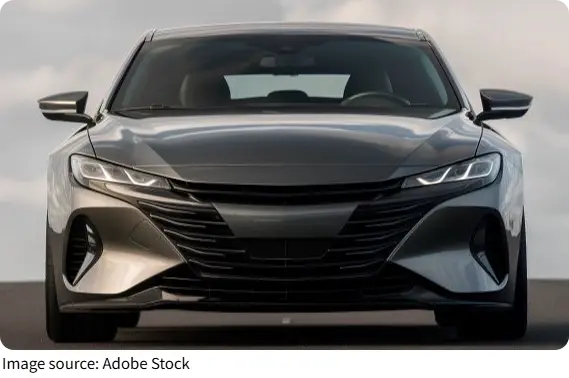
Automatic Emergency Braking is a safety feature designed to help prevent or reduce the severity of collisions. Using sensors to detect vehicles, pedestrians, or obstacles ahead, the system can warn the driver and apply the brakes when necessary.
This technology is especially useful in situations where a driver may not react quickly enough. By providing an additional layer of protection, automatic braking systems can improve overall road safety and help reduce the impact of potential collisions.
Lane Safety and Driver Awareness Features
Maintaining a vehicle’s position on the road is an important part of safe driving. Lane departure warning systems monitor road markings and alert drivers when the vehicle begins to unintentionally move out of its lane.
Some vehicles also include lane keeping assistance, which can provide gentle steering support to help the vehicle remain properly positioned. These systems are particularly helpful during long journeys when fatigue or distraction may affect driver concentration.
Blind Spot and Surrounding Monitoring
Blind spots can make it difficult for drivers to see nearby vehicles when changing lanes. Modern blind spot monitoring systems use sensors to detect vehicles in areas that may not be visible through mirrors.
Additional features, such as parking cameras and surrounding view systems, provide drivers with a clearer understanding of their environment. These technologies make parking, reversing, and navigating tight spaces easier and safer.
Intelligent Driver Monitoring Systems
Driver monitoring technology focuses on understanding the driver’s condition and attention level. Using interior sensors and cameras, these systems can identify signs of reduced attention or fatigue.
When a potential safety concern is detected, the vehicle can provide alerts to encourage the driver to stay focused. This technology supports safer decision-making and helps reduce risks caused by distraction.
The Role of Artificial Intelligence in Car Safety
Artificial intelligence is playing an increasing role in the future of vehicle safety. AI-powered systems can analyze information from multiple sensors, recognize patterns, and help vehicles respond more effectively to changing road conditions.
As these technologies improve, cars will become better at predicting possible dangers and assisting drivers in complex situations. AI will continue to be an important part of developing safer and smarter transportation systems.
The Future of Vehicle Safety
The future of car safety will focus on creating vehicles that are more connected, intelligent, and responsive. Improvements in sensors, software, and automated systems will continue to enhance protection for drivers, passengers, and other road users.
Although technology can greatly improve safety, responsible driving remains essential. The combination of advanced safety features and careful driver behavior will help create a safer driving environment for everyone.
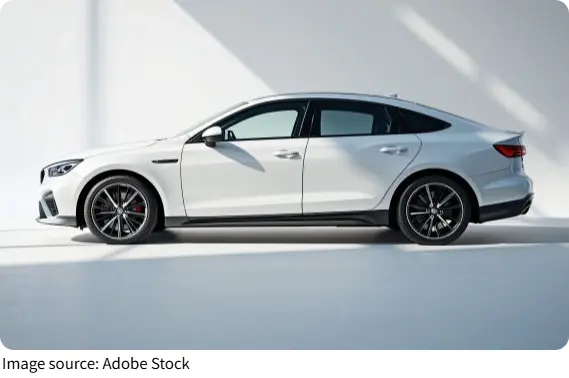
Advanced car safety technology is changing the way vehicles protect people on the road. From collision prevention systems to intelligent driver assistance features, modern innovations are helping reduce risks and improve driving confidence.
As automotive technology continues to advance, safety systems will become even more effective, making future vehicles smarter, safer, and better prepared for the challenges of everyday driving.