Auto Future Next 5 Years

Hana
| 21-07-2026
 · Automobile team
Hi, Readers! The car business is heading into the next five years like a giant machine rolling onto a moving treadmill.
Everything is still in motion, but the speed is changing, the parts are changing, and even the driver’s seat is getting crowded.
One big theme is clear: electrification, software, connectivity, and fresh ownership models are no longer side stories. They are becoming the main plot.
For manufacturers, the old playbook is looking a bit like a paper map in a satellite-navigation world. Electric vehicles are expected to keep gaining ground as battery costs improve, and regulations push lower emissions. That does not mean the road will be perfectly smooth.
Supply chains, charging infrastructure, and raw-material access still matter a lot. But the direction is obvious. More companies are investing heavily in electric platforms, battery partnerships, and localized production to stay competitive.
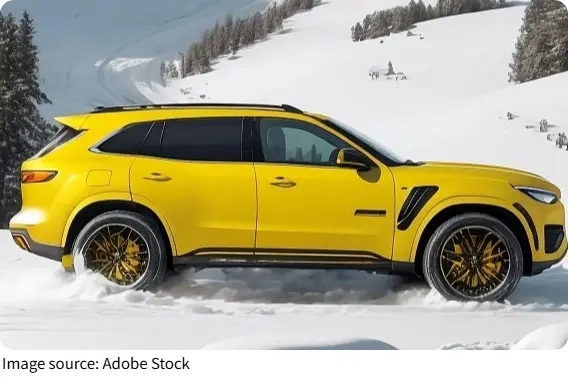
Electric Takes Center Stage
Battery-powered vehicles are likely to be the headline act over the next five years. As technology improves, range, charging speed, and total ownership costs should continue getting better, making electric models more attractive to everyday drivers. Carmakers are expected to widen their lineups, moving beyond premium models into more affordable segments.
In plain terms, the electric car is no longer the special guest at the party. It is walking toward the middle of the room and grabbing the microphone. That said, success will depend on more than launching shiny new models.
Companies will need reliable battery supply, cost discipline, and access to charging networks. Regions with stronger charging support and policy incentives will likely move faster, while others may adopt more gradually. So yes, the future is electric, but it is also highly dependent on who can build, source, and scale without tripping over their own extension cord.
Software Becomes the Secret Engine
Cars are turning into software-defined products, and that shift may be just as important as electrification. Features delivered through software, connected services, advanced driver assistance, and over-the-air updates are creating new ways for companies to earn revenue after the vehicle is sold. In the next five years, this could reshape competition.
A car will not just be judged by horsepower or cabin comfort, but by the quality of its digital experience and how easily it improves over time. This change also brings new pressure. Traditional manufacturers need stronger software capabilities, faster development cycles, and tighter integration between electronics and vehicle engineering.
That is a tall order. Building great hardware and building great software are like baking bread and running a streaming platform. Both matter, but they require very different mindsets. The winners will likely be those that can blend both without making the customer feel like a beta tester.
New Ways to Own and Use Cars
Mobility habits are evolving, especially in cities where consumers are more open to shared mobility, subscriptions, and flexible access models. Private ownership is not disappearing, but it is being challenged by alternatives that promise convenience and lower upfront commitment. Over the next five years, companies may keep experimenting with subscriptions, leasing formats, and usage-based services to meet changing preferences.
At the same time, digital retail is likely to expand. More customers will research, compare, customize, and even buy vehicles online. Dealers are not vanishing, but their role may shift toward service, delivery, and customer support rather than acting as the only gatekeeper to the showroom.
The purchase journey is becoming more like mainstream e-commerce: less paperwork theater, more click-and-decide simplicity.
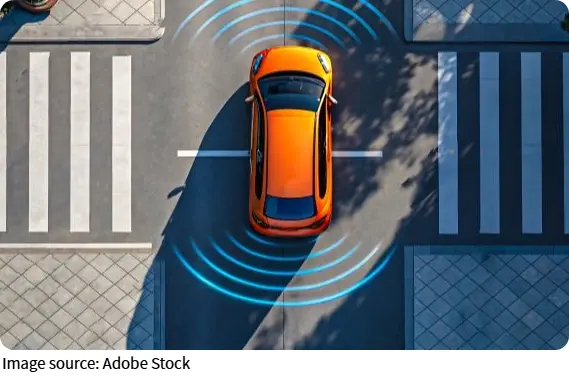
Supply Chains and Competition Get Rewritten
The automotive sector is also entering a period of sharper competition and supply-chain redesign. Companies are rethinking where they source parts, how they manage semiconductor risk, and how they reduce dependence on fragile links in the global chain.
Resilience is becoming as important as efficiency. In the past, many firms chased lean operations with the enthusiasm of someone trying to pack a week’s clothes into a tiny carry-on. Now they also want backup plans.
Competition will likely intensify as established manufacturers, newer entrants, and technology-focused players all chase growth in electric and connected vehicles. That means pricing pressure, faster product cycles, and a bigger need for strategic partnerships.
Scale still matters, but agility matters more than it used to. The next five years may reward companies that move quickly, choose partners wisely, and keep costs under control while still investing in innovation.
In short, the future of the automotive industry will be shaped by electrification, software, digital sales, and more flexible mobility models.
For companies, this is a rebuild-in-motion. For customers, it should mean more choice, more technology, and a very different driving experience. So if you are watching this sector, keep your eyes on batteries, code, and business models. That is where the real traffic is heading.