Grow Mint at Home

Chris Isidore
| 22-07-2026
 · Plants team
Friends, have you ever bought a bunch of fresh mint for one recipe, only to watch the leftovers wilt in your refrigerator a few days later?
Instead of buying it over and over again, why not grow your own? Mint is one of the easiest herbs to cultivate, but that doesn't mean it thrives without the right care.
Many first-time gardeners are surprised when their mint becomes leggy, loses its strong aroma, or spreads far beyond where they intended. Growing mint successfully is less about luck and more about understanding what this herb naturally needs. With the right planting method and regular maintenance, you can enjoy fresh, fragrant leaves for teas, desserts, salads, and savory dishes throughout the year.
Choose the Right Variety Before You Plant
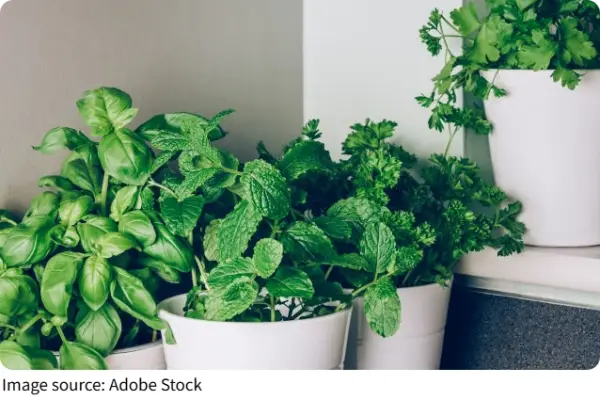
Not all mint tastes or grows the same. Spearmint is the classic choice for cooking because of its sweet, refreshing flavor. Peppermint contains more menthol, giving it a stronger cooling sensation that works well in tea and homemade drinks.
Chocolate mint offers a subtle cocoa aroma, while apple mint has soft, fuzzy leaves and a milder taste. Before buying a plant, think about how you plan to use it. Choosing a variety that matches your cooking habits will make your harvest much more rewarding.
Grow Mint in a Container to Keep It Under Control
One of the biggest mistakes gardeners make is planting mint directly into a garden bed. Mint spreads through underground stems called rhizomes, allowing it to quickly take over nearby space. Within a single growing season, it can crowd out neighboring herbs and vegetables.
A sturdy container with drainage holes is usually the best choice. Pick one that is at least 20 to 30 centimeters wide so the roots have enough room to develop. If you prefer growing mint in the ground, place the entire container into the soil with its rim slightly above the surface. This helps prevent the underground runners from spreading into surrounding planting areas.
Give It Rich, Well-Drained Soil
Mint grows best in loose, fertile soil that retains moisture without becoming waterlogged. Heavy clay soil can suffocate the roots, while overly sandy soil dries out too quickly. Mix compost or well-rotted organic matter into the soil before planting. This improves both fertility and moisture retention. A soil pH between 6.0 and 7.0 provides ideal growing conditions, helping the plant absorb nutrients efficiently.
Provide Plenty of Light Without Excessive Heat
Mint enjoys bright conditions, but intense afternoon sunlight can stress the leaves, especially in warmer climates. Aim for around four to six hours of direct morning sunlight each day, followed by light afternoon shade if temperatures become very hot.
Indoors, place the plant near a bright window that receives consistent natural light. If the leaves begin turning pale or developing brown edges, the plant may be receiving too much intense sun or not enough water during hot weather.
Water Consistently to Keep Leaves Tender
Unlike drought-tolerant herbs such as rosemary or thyme, mint prefers consistently moist soil. The goal is even moisture rather than constantly wet conditions. Check the top few centimeters of soil with your finger.
When it feels dry, water thoroughly until excess water drains away. During hot summer weeks, mint grown in a container may require watering every day or every other day, while cooler seasons usually require less frequent watering.
Harvest Often to Encourage Bushier Growth
The more you harvest mint correctly, the healthier the plant becomes. Instead of picking individual leaves, snip entire stems just above a pair of healthy leaves. New branches will emerge from those nodes, creating a fuller, denser plant over time.
Regular harvesting also delays flowering. Once mint flowers, much of the plant's energy shifts toward seed production, often resulting in leaves with a milder flavor. Removing flower buds as they appear helps maintain strong leaf quality throughout the season.
Watch for Common Growing Problems
Although mint is relatively resilient, it is not immune to problems. Yellow leaves often indicate overwatering or poor drainage. Weak, stretched stems usually signal insufficient sunlight. If leaves develop a white powdery coating, powdery mildew may be the cause, especially when air circulation is poor.
Give each plant enough space to improve airflow, prune dense growth regularly, and water the soil rather than wetting the leaves whenever possible. Good air circulation significantly reduces the risk of fungal diseases. Aphids and spider mites may occasionally appear on young shoots. These pests can often be removed with a strong spray of water or treated with insecticidal soap if necessary.
Keep Mint Productive Year After Year
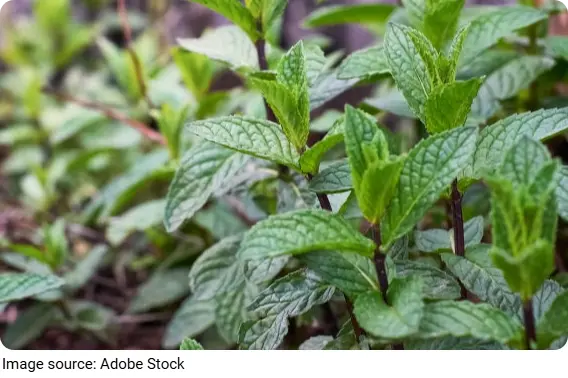
Mint is a perennial herb in many regions, meaning it can continue growing for several years with proper care. However, older plants may become crowded and less vigorous. Every two to three years, divide the root ball into smaller sections and replant each division in fresh soil.
This simple step rejuvenates growth, encourages healthier foliage, and gives you additional plants to share with family or friends.
Growing mint is one of the most satisfying ways to start an herb garden because it rewards consistent care with abundant harvests. The next time you reach for mint to brighten a drink, garnish a dessert, or add freshness to a favorite recipe, imagine stepping outside and picking exactly what you need.
Start with a single mint plant today, and before long, you'll have a thriving supply of fresh leaves ready whenever inspiration strikes.