Fuel-Saving Driving Tips

Declan Kennedy
| 27-07-2026
 · Automobile team
Driving efficiently is not only about choosing the right vehicle. The way a car is operated, maintained, and prepared for each journey has a significant impact on fuel consumption.
Small adjustments in driving habits, speed control, and vehicle care can help drivers use fuel more effectively while improving comfort and overall performance.
For long-distance journeys, fuel efficiency becomes especially important. Smooth driving techniques, proper maintenance, and thoughtful planning can reduce unnecessary energy use and help vehicles operate at their best. By understanding how everyday decisions behind the wheel affect fuel consumption, drivers can create more efficient and confident driving habits.
Maintain a Smooth Driving Style
A smooth driving style is one of the most effective ways to improve fuel efficiency. Rapid acceleration, sudden braking, and frequent changes in speed require the vehicle to use additional energy and reduce overall efficiency.
Gradually applying the accelerator, maintaining consistent speeds, and observing traffic conditions ahead allow drivers to avoid unnecessary energy waste. This approach not only supports better fuel economy but also creates a more comfortable and controlled driving experience.
Control Speed for Better Efficiency
Speed plays an important role in fuel consumption. As driving speed increases, aerodynamic resistance becomes greater, requiring the engine to produce more energy to maintain movement.
Maintaining a steady and appropriate speed can help improve efficiency, especially during highway driving. Consistent speed reduces repeated acceleration and braking, allowing the vehicle to operate more smoothly throughout longer journeys.
Use Cruise Control Wisely
Cruise control can support fuel-efficient driving by helping maintain a consistent speed on suitable roads. Reducing unnecessary speed adjustments allows the vehicle to maintain a more stable operating pattern.
However, cruise control should be used carefully. It is most effective on open roads with steady traffic conditions and should be avoided when frequent speed changes are needed, such as in heavy traffic or challenging road conditions.

Avoid Unnecessary Acceleration and Braking
Efficient driving depends on maintaining momentum whenever possible. Frequent hard acceleration followed by immediate braking wastes energy because the vehicle repeatedly uses power and then loses that gained movement.
Looking further ahead, keeping a safe following distance, and anticipating traffic changes can reduce unnecessary braking. These simple habits help drivers maintain smoother movement and improve fuel efficiency during daily driving and long trips.
Reduce Extra Weight and Air Resistance
Vehicle weight and aerodynamic resistance can influence fuel consumption. Carrying unnecessary items inside the vehicle increases the energy required for movement, particularly during longer journeys.
External equipment that affects airflow can also increase resistance at higher speeds. Removing unnecessary items and keeping the vehicle prepared only with essential equipment can support more efficient operation.
Keep Tires Properly Inflated
Proper tire maintenance is an important part of fuel-efficient driving. Tires with incorrect pressure can increase rolling resistance, causing the vehicle to require more energy to move.
Regularly checking tire pressure helps maintain efficiency, improve handling, and support longer tire performance. This simple maintenance habit can contribute to better fuel economy over time.
Maintain the Vehicle Regularly
A properly maintained vehicle can operate more efficiently and reliably. Important components, including filters, engine systems, and other mechanical parts, influence how effectively fuel is converted into movement.
Following recommended maintenance schedules helps ensure that the vehicle continues performing efficiently. Regular inspections can also help maintain smooth operation and prevent avoidable reductions in performance.
Use Air Conditioning Efficiently
Climate control systems provide comfort, but they also require energy from the vehicle. During extended drives, especially in warm conditions, heavy use of air conditioning can affect fuel consumption.
Using appropriate temperature settings, avoiding unnecessary cooling, and managing climate controls efficiently can help balance passenger comfort with fuel efficiency.
Plan Routes Before Long Trips
Efficient driving begins before the journey starts. Planning routes, checking traffic conditions, and avoiding unnecessary stops can help reduce travel time and fuel consumption.
A well-planned route allows the vehicle to spend more time moving efficiently instead of losing energy through delays, repeated stops, and slow-moving traffic.
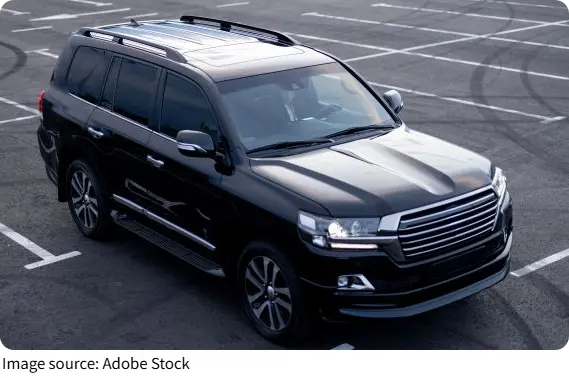
Improving fuel efficiency does not require complicated changes. Small improvements in driving behavior, vehicle preparation, and maintenance habits can create noticeable benefits over time.
The most efficient drivers are not simply those with newer vehicles, but those who understand how to operate and care for their vehicles effectively. By driving smoothly, maintaining proper vehicle condition, and making smarter decisions on every journey, drivers can achieve better fuel economy, reduce unnecessary energy use, and enjoy a more efficient driving experience.