Kids Hydration Guide
Nolan O'Connor
| 04-08-2026
 · News team
Lykkers! Water is an essential part of a child’s daily routine, supporting healthy growth, normal body processes, and overall well-being.
Since children spend much of their time learning, playing, and exploring, maintaining good hydration habits helps them stay comfortable and active throughout the day.
Children may become busy with activities and forget to drink enough fluids. Encouraging regular water intake from an early age helps build healthy routines that can support them as they grow.
Why Children Need Proper Hydration
Children have different hydration needs because their bodies contain a greater percentage of water relative to body weight compared with adults. Growing bodies, active lifestyles, and frequent movement can increase the need for regular fluid intake.
Activities such as running, climbing, cycling, swimming, and outdoor play can increase water loss through sweating. Warm environments may also raise fluid needs because the body uses water to help regulate temperature.
Younger children may need extra reminders because they may not always recognize when they feel thirsty. Offering water regularly throughout the day helps ensure they receive enough fluids.
Hydration and Learning
Proper hydration supports children’s ability to concentrate, participate, and complete daily learning activities. Maintaining healthy fluid levels helps support normal brain function and allows children to stay engaged during school, homework, and play.
The American Academy of Pediatrics states, “Being well hydrated improves mood, memory and attention in children.” — American Academy of Pediatrics.
Simple habits, such as keeping water available throughout the day, make it easier for children to develop consistent hydration routines.

Staying Hydrated During Activity
Physical activity increases water loss through sweating, making hydration especially important during exercise and outdoor play. Drinking water before, during, and after activities helps children replace lost fluids and remain comfortable while moving.
Regular drinking breaks during longer activities can encourage children to recognize the importance of staying hydrated.
Hydrating Foods for Children
Water is the best everyday hydration choice, but some foods can also contribute to fluid intake. Fruits such as watermelon, oranges, strawberries, peaches, and grapes contain high water content while providing valuable nutrients.
Vegetables including cucumbers, lettuce, celery, tomatoes, and bell peppers also contain water and can support a balanced diet. Foods such as yogurt and soups may provide additional fluids as part of daily meals.
Recognizing When More Fluids Are Needed
Parents and caregivers can observe changes in a child’s energy, comfort, and behavior to identify when additional fluids may be needed. Signs that may suggest dehydration include dry lips, tiredness, headaches, dizziness, reduced bathroom visits, and unusual changes in mood.
During active play, children who seem more tired than usual may benefit from taking a water break.
Building Healthy Hydration Habits
Creating simple routines can help children drink enough water each day. Offering water with meals and snacks, keeping water easily available, preparing refillable bottles for school, and encouraging drinking before outdoor activities can make hydration a natural part of daily life.
Adding natural flavors from fruits or herbs can also make water more appealing while keeping choices healthy.
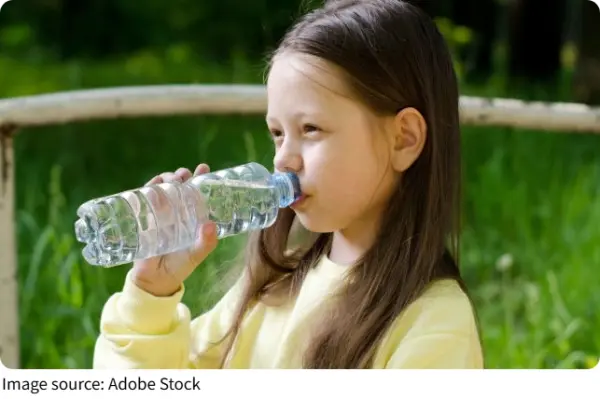
Good hydration is a simple habit that supports children’s healthy development and daily activities. By encouraging regular water intake and creating positive routines, families can help children build habits that contribute to long-term well-being.