Top Global Auto Trends Now

Elise
| 05-08-2026
 · Automobile team
Hi, Friends! The automotive world is moving faster than a sports car on an empty highway, and honestly, keeping up feels like trying to catch a greased-up hamster.
From electric vehicles to smart connected cars, the global auto industry is going through changes so massive they make a regular oil change look like child's play.
Let's explore what's actually happening out there.
Electric Vehicles Are Taking Over the Fast Lane
If the auto industry were a party, electric vehicles (EVs) would be the guest who showed up, turned off the old music, and completely changed the vibe. EV adoption is accelerating at a pace that would make your head spin.
Major automakers are pouring billions into EV development, and it is not just Tesla holding the torch anymore. Traditional giants like Ford, GM, Volkswagen, and Toyota are all racing to electrify their lineups.
The push is driven by tightening emission regulations worldwide, rising consumer demand for cleaner transportation, and the simple fact that battery technology keeps getting cheaper and better.
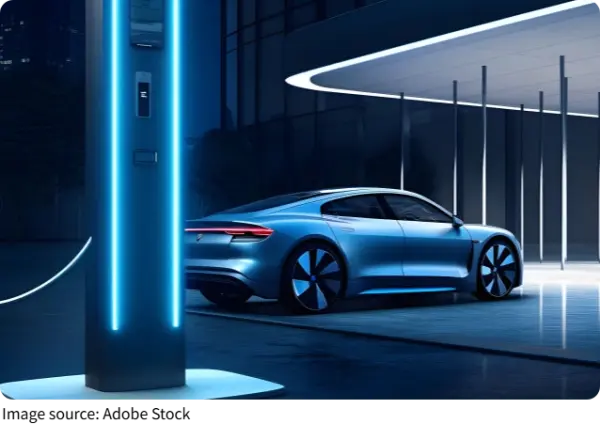
Charging infrastructure is expanding rapidly too, which means range anxiety is slowly becoming a thing of the past, like dial-up internet or fax machines.
Software Is Eating the Car Alive (In a Good Way)
Cars used to be about horsepower and chrome. Now they are basically smartphones on wheels, and that is not an exaggeration. The concept of the Software-Defined Vehicle (SDV) is one of the hottest trends reshaping the industry. This means the car's features, performance, and even safety systems can be updated over the air, just like your phone getting a new operating system while you sleep.
Automakers are investing heavily in building proprietary operating systems and digital ecosystems. The goal is to own the software layer so they can keep generating revenue from subscriptions, app integrations, and feature unlocks long after the car rolls off the lot.
Autonomous Driving: Still Coming, Just Taking Its Time
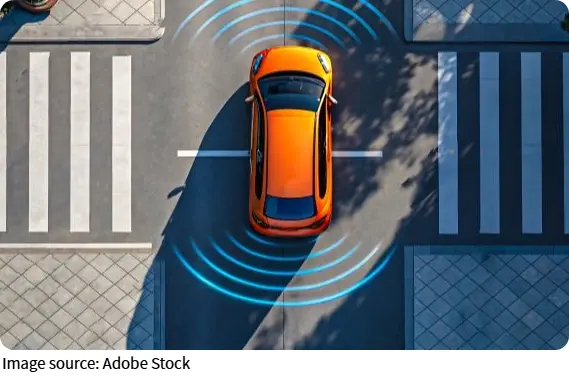
Self-driving cars have been "five years away" for about fifteen years now, but real progress is happening. Level 2 and Level 3 autonomy, which means the car can handle steering, acceleration, and braking under certain conditions, are becoming increasingly common in new models.
Advanced driver-assistance systems (ADAS) like lane-keeping, adaptive cruise control, and automatic emergency braking are no longer luxury features reserved for high-end models. They are becoming standard across the board. Full autonomy is still a work in progress, but the building blocks are firmly in place.
The Supply Chain Got a Very Rude Wake-Up Call
The global auto industry learned a painful lesson about how fragile supply chains can be. Semiconductor shortages disrupted production lines worldwide, leaving dealerships with empty lots and customers waiting months for new cars.
In response, automakers are aggressively restructuring their supply chains, bringing more production closer to home and securing long-term deals for critical materials like lithium, cobalt, and nickel that are essential for EV batteries. Vertical integration is the new buzzword, with carmakers wanting to control everything from raw materials to final assembly.
Connectivity and the In-Car Experience
People spend a ridiculous amount of time inside their cars, and automakers want that time to feel less like sitting in traffic and more like lounging in a very stylish living room. Connected car technology is booming, with vehicles offering seamless smartphone integration, real-time navigation updates, voice assistants, and entertainment systems that could rival a small movie theater.
Data collected from connected vehicles is also becoming incredibly valuable, giving manufacturers insights into how people actually use their cars in real life, which feeds back into better product development.
Shared Mobility Is Changing Who Actually Owns a Car
Younger generations in urban areas are increasingly questioning whether owning a car makes sense at all. Ride-sharing platforms, car subscription services, and micro-mobility options like e-scooters are chipping away at traditional car ownership models.
Automakers are pivoting to offer mobility-as-a-service options, trying to stay relevant in a world where some people would rather tap an app than deal with parking fees and insurance headaches.
The global auto industry is basically going through a full personality transformation all at once: electric, autonomous, connected, and shared. Whether you are a car enthusiast or just someone trying to get from point A to point B without losing your mind, these trends are going to affect you sooner than you think. So buckle up, Lykkers, because the ride ahead is going to be anything but boring!