Emergency Driving Guide

Arvind Singh
| 05-08-2026
 · Automobile team
Hi, Friends! Driving feels great when the road is smooth and everything goes as planned.
However, every driver, no matter how experienced, will eventually face a moment that catches them completely off guard.
A tire suddenly gives out, the brakes feel wrong, or the car ahead stops without warning. These moments can feel overwhelming, but being prepared makes all the difference.
Tire Blowout at High Speed
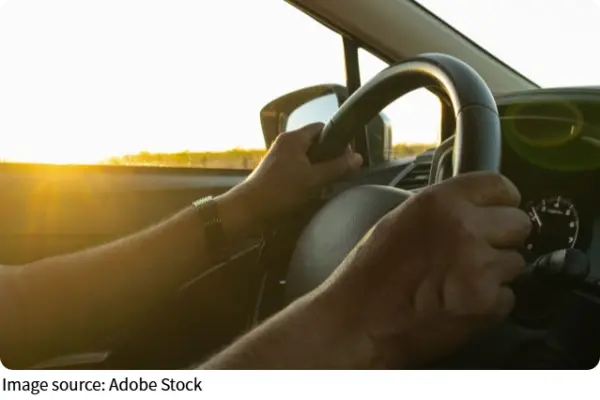
One of the most frightening things that can happen while driving is a sudden tire blowout, especially on a highway. Your first instinct might be to slam the brakes hard, but that is actually one of the most dangerous things you can do. When a blowout happens, grip the steering wheel firmly with both hands.
Do not panic. Gently ease off the accelerator and let the car slow down gradually on its own. Steer in a straight line and only apply the brakes very softly once the speed has dropped significantly. Then carefully guide the car to the side of the road and turn on your hazard lights.
Brake Failure While Driving
Discovering your brakes are not responding is a terrifying experience, but there are steps you can take to stay safe. First, pump the brake pedal rapidly several times. For older vehicles without ABS, this can help build up some braking pressure.
At the same time, shift down through the gears to use engine braking to slow the car. You can also gently apply the handbrake in gradual, controlled pulls rather than yanking it all at once. Look for a safe escape route such as an open field, a gentle slope, or a guardrail that can slow you down without causing serious harm.
Sudden Steering Loss
If your steering suddenly feels unresponsive or your car begins drifting unexpectedly, do not make sharp, sudden turns. Keep a firm, steady grip on the wheel and try to maintain your lane. Ease off the gas smoothly and let the vehicle decelerate naturally.
Signal your intentions to nearby drivers if possible, and guide the car to the roadside slowly. Sudden jerking movements in this situation can cause the vehicle to spin or veer into other lanes.
Engine Stall in Traffic
An engine stall in the middle of heavy traffic can feel deeply stressful. If your engine cuts out while moving, shift to neutral immediately and try to restart it while steering to a safe spot. Turn on your hazard lights right away so other drivers are aware of your situation.
If the car cannot be restarted, get it to the shoulder of the road as safely as possible and place warning triangles or reflectors behind the vehicle to alert others.
Hydroplaning on Wet Roads
Hydroplaning happens when your tires lose contact with the road surface due to a layer of water. It feels like the car is floating or sliding sideways without much control. The key response here is to stay calm and avoid braking suddenly or turning the wheel sharply.
Instead, ease off the accelerator gently and hold the steering wheel steady. Allow the car to slow down naturally until the tires regain their grip on the road. Keeping your tires properly inflated and tread in good condition greatly reduces the chance of this happening.
Sudden Pedestrian or Object on the Road
When something or someone appears in your path without warning, your instinct is to swerve hard. But swerving sharply can lead to rollovers or collisions with other vehicles. A controlled, moderate brake is often safer than a sudden sharp turn. If swerving is truly necessary, do it with a smooth and deliberate motion, keeping the car as stable as possible.
Taking a moment to think about how you would respond to these situations before they happen is one of the most caring things you can do for yourself and everyone in your car. Stay safe, keep calm, and remember that your steady response is always more powerful than panic. Drive with love for yourself and others out there on the road, Lykkers!