Two Cats, Best Match

Pardeep Singh
| 07-08-2026
 · Animal team
Hi, Readers! Bringing home two cats can feel a bit like casting a buddy comedy.
Get the pairing right, and the household runs like a well-rehearsed duet. Get it wrong, and it can feel like one roommate wants a nap while the other is auditioning for a trampoline show.
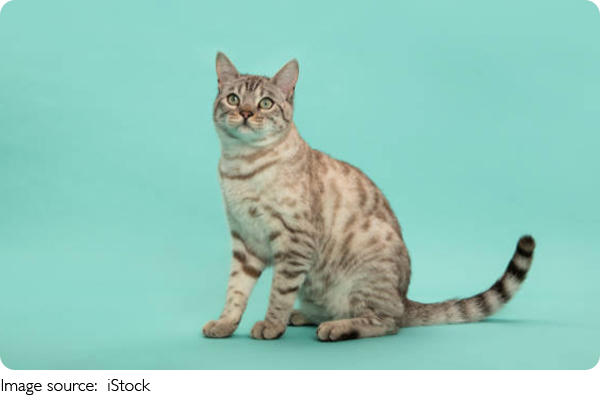
When choosing two cats to live together, age matters because energy level, play style, and tolerance for change often track closely with life stage. A good match is not just about who looks cute in the carrier. It is about who can actually share a home without turning every hallway meeting into awkward drama.
Cats often do best when their social needs and activity levels line up. Kittens usually have sky-high energy and want frequent play, exploring, and chasing. An older cat may prefer a predictable routine, quiet corners, and a slower pace. Pairing a tiny whirlwind with a settled senior can create tension because one keeps inviting chaos while the other is basically saying, not today. That does not mean mixed-age pairs never work, but it does mean the fit should be considered carefully.
Why similar ages help
Cats with similar ages often have more compatible play styles and daily rhythms. Two kittens can usually keep each other busy, wrestle, chase, and burn off energy together. Two young cats may also match well if both are playful and curious. Two mature cats may be more comfortable sharing a calm home with fewer surprise acrobatics. The main idea is simple: when both cats want roughly the same kind of day, life gets easier for everyone, including the human who just wants to drink tea without breaking up a hallway stare-down.
If you already have one cat at home, the current cat's age and personality should guide the choice. A playful young resident often adjusts better to another young cat. A calm older resident may do better with another gentle, easygoing cat rather than a nonstop kitten. Personality still matters a lot, but age can give you a strong clue about likely compatibility.
When different ages can work
Different-age pairings can succeed, but they usually need more thoughtful matching. A younger cat with a moderate energy level may fit with an older cat who is still social and tolerant. In that setup, the younger one is not bouncing off the walls all day, and the older one is not being pestered every five minutes. The problem tends to show up when energy levels are wildly different.
If you want two cats at the same time and do not already have a resident cat, littermates or two kittens of similar age are often a practical choice because they grow up together and usually share a similar pace of life. If adopting two older cats, a bonded pair can also be a very smooth option since they already know each other's habits and boundaries. That can save everyone a lot of guesswork.
Setups matter too
Even a good age match does not guarantee instant friendship. Cats need enough space and resources to avoid feeling crowded. Multiple resting spots, separate food and water stations, and more than one litter box can help reduce pressure. A home should let each cat retreat, climb, observe, and relax without constantly crossing paths. Think of it like sharing an apartment with better furniture and stronger opinions.
Introductions also matter. New cats should not be pushed together too quickly. Gradual introductions help them get used to each other's scent, sound, and presence before direct contact becomes part of the routine. Rushing this stage can create setbacks, even when the age pairing looks perfect on paper.
Best age pairing ideas
For many homes, the easiest combinations are kitten with kitten, young cat with young cat, or calm mature cat with another calm mature cat. These pairings usually reduce frustration because both cats tend to want similar levels of play and rest. A kitten with a senior can be harder, especially if the older cat values peace and the younger cat treats every curtain like a climbing challenge.
If you already have an older cat and hope to add a companion, choosing a cat with a gentler temperament and lower activity level is often wiser than choosing the youngest, bounciest newcomer in the room. If you have a young active cat, another playful cat may be a better match than a cat who prefers a quiet solo life.

In short, the best age pairing for two cats is usually one that keeps energy levels, play style, and tolerance for company in the same neighborhood. Similar ages often make that easier, while mixed ages need more care in selection and introduction. If you are choosing for your home, look beyond appearances and think about daily rhythm, personality, and space. A smart match now can turn your home into a calmer, happier place for both cats and for you.