Get Cats to Drink More

Declan Kennedy
| 07-08-2026
 · Animal team
Hi, Readers! If your cat treats the water bowl like it is invisible wallpaper, you are not alone.
Plenty of cats sip far less than their humans expect, and that can lead to trouble like dehydration, constipation, and urinary issues. The good news is that getting a cat to drink more is often less about pushing and more about smart little tweaks around the house. Think of it like persuading a picky roommate, not running a boot camp.
One big reason cats drink less is that many of them have a naturally low thirst drive. Their wild ancestors got a lot of moisture from food, so some house cats still act like a full water bowl is merely decorative.
That is why switching part of their meals to wet food can help so much. Wet food contains far more moisture than dry kibble, so your cat takes in extra water while eating, almost like sneaking veggies into pasta sauce for a picky kid.
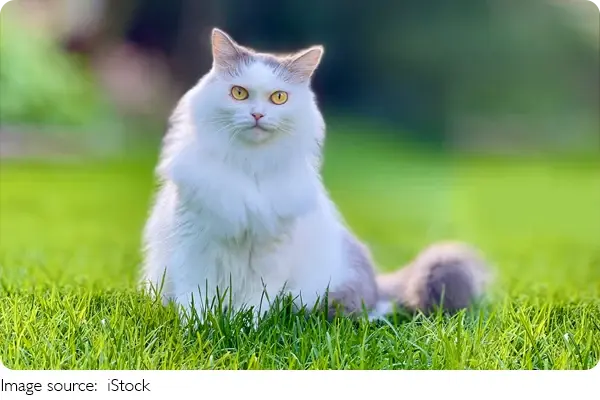
Make Water More Tempting
Cats can be surprisingly fussy about the water itself. Some prefer fresh water changed often, while others turn up their noses if the bowl sits near the litter box or food dish. Try placing several bowls around your home in quiet spots.
A cat may drink more if the bowl is easy to reach during those casual little patrols around the living room. Bowl shape matters too. Many cats like wide, shallow bowls that do not press on their whiskers. It sounds tiny, but to a cat, whisker discomfort can be a real deal breaker.
Flowing water can also be a game changer. Some cats are drawn to moving water because it seems fresher or more interesting. A pet fountain can work like a tiny cat café feature right in your kitchen. If you try one, keep it clean, because a slimy fountain is about as appealing as a sink full of old dishes.
Use Food To Boost Fluids
If your cat mainly eats dry food, adding moisture through meals is one of the easiest ways to help. Wet food is the simplest route, but you can also mix a little water into food if your cat accepts it. Go slowly so the texture change does not trigger dramatic rejection. Some cats enjoy a bit of broth, as long as it is plain and safe for cats, with no onion or garlic. The goal is to make hydration feel like a treat, not a suspicious science experiment.
You can also offer water in different styles. Cool water, room temperature water, glass bowls, ceramic bowls, or stainless steel bowls may each get different reactions. Cats are tiny critics in furry coats, and sometimes the winning trick is pure trial and error.
Watch for Hidden Problems
Sometimes low water intake is not just a preference. A cat may avoid drinking because of stress, a dirty bowl, or an underlying health issue. Problems involving the mouth, digestion, or urinary tract can affect drinking habits.
If your cat suddenly drinks much less, seems tired, eats poorly, vomits, or shows changes in litter box habits, it is time to call a veterinarian. On the flip side, drinking much more than usual can also signal a health concern.
Cleanliness matters more than many people realize. Wash bowls regularly and refill them with fresh water daily. A bowl with floating hair or dust is basically a hard no in cat language. Location matters too. Cats often prefer calm areas where they can drink without feeling trapped or startled.
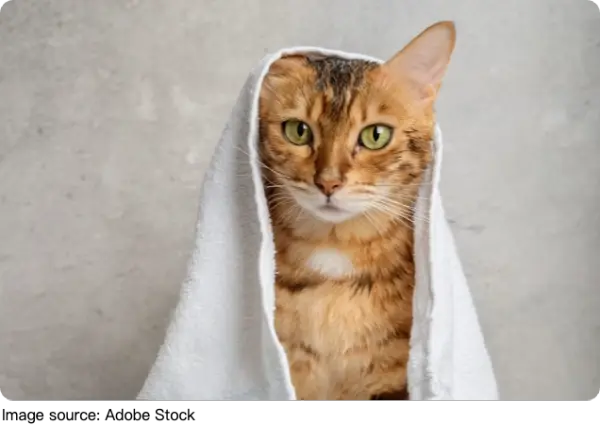
In the end, helping a cat drink more is usually about making water easier, fresher, and more appealing. Try wet food, add extra water stations, test a fountain, and keep everything clean and calm. A few small changes can make a big difference, and your cat may finally start treating water like the VIP it really is.