Battery Rescue Tips

Pardeep Singh
| 10-08-2026
 · Automobile team
Lykkers, have we ever been ready to leave home, turned the key, or pressed the start button, only to find that the car would not start?
We may hear a few clicks, see a dim dashboard, or find that the interior lights are weak.
In many cases, these signs point to a drained battery. Instead of feeling stuck, we can first check the symptoms and then choose a practical way to get the vehicle running again.
Check The Signs
A weak battery often gives us several clues before it completely runs down. When we turn the key or press the start button, the engine may fail to turn over. A clicking sound may come from the engine area, while the dashboard lights may become noticeably dim.
We can also check the interior lights and horn. If the lights are much weaker than usual or the horn produces only a faint sound, the battery may not have enough power. When several of these signs appear together, the battery is a likely place to begin our check.
Try Jumper Cables
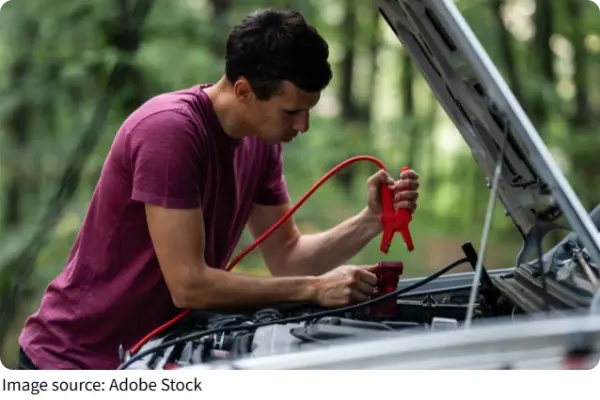
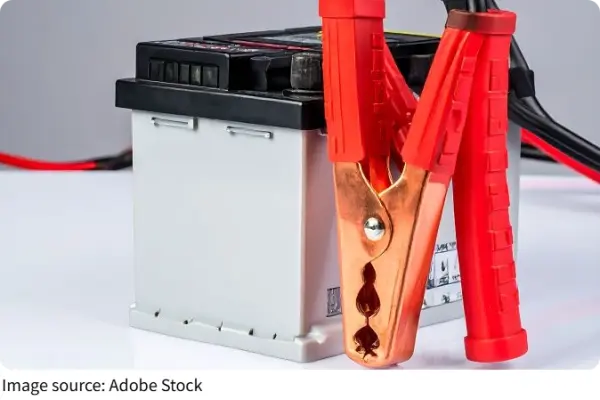
Jumper cables are one of the most common ways we can deal with a drained battery. We need a suitable set of cables and another vehicle with a charged battery.
First, we park the vehicles close enough for the cables to reach, while keeping them from touching. Both vehicles should be switched off before we connect anything.
We connect the red clamp to the positive terminal of the drained battery and the other red clamp to the positive terminal of the charged battery.
Next, we connect the black clamp to the negative terminal of the charged battery. The remaining black clamp can be attached to a suitable unpainted metal point on the vehicle with the drained battery, away from the battery itself.
After checking the connections, we start the assisting vehicle and wait briefly. Then we try starting our vehicle. If the engine starts, we let it run for several minutes and remove the cables carefully in reverse order.
Push Start A Manual
If we drive a manual-transmission vehicle, push starting can sometimes provide another option. This approach requires enough space and several people who can safely help move the vehicle.
We place the key in the proper ignition position, press the clutch, and select second gear. The helpers then push the vehicle until it reaches a low rolling speed. We release the clutch smoothly while giving the engine a small amount of throttle.
If the conditions are suitable, the engine may start. This approach is designed for manual vehicles and generally does not apply to automatic-transmission vehicles. We should also avoid attempting it in heavy traffic, on steep slopes, or in areas where controlling the vehicle could be difficult.
Use A Portable Starter
A portable jump starter can be a useful item for drivers who travel frequently. It stores electrical energy and can provide enough power to help start a vehicle when another car is not available.
We connect the positive clamp to the positive terminal and the negative clamp to the recommended negative connection point. After switching on the unit according to its instructions, we try to start the engine.
Once the vehicle is running, we switch off the starter and disconnect the clamps carefully. Keeping one in the vehicle can give us another option when a battery problem happens unexpectedly.
Ask For Roadside Help
Sometimes we do not have cables, a portable starter, or another person nearby. In that situation, roadside assistance can save time and reduce stress. Depending on our insurance or vehicle service plan, assistance may include a jump-start or battery check.
A technician can also test the charging system and battery condition. If the vehicle still does not start after receiving power, professional help can check whether another electrical or mechanical issue is involved.
Prevent Future Problems
We can reduce the chance of a drained battery through simple daily habits. During regular maintenance, we can ask for the battery and charging system to be checked. If the vehicle sits unused for a long period, the battery can gradually lose charge.
Before leaving the car, we can check that the lights, audio system, and other electrical equipment are switched off. Drivers who usually make very short trips can also give the vehicle more running time occasionally, allowing the charging system to work for longer.
Keep Moving
A drained battery can be frustrating, but we have several practical options. We can try jumper cables, use a portable starter, or seek roadside assistance. Manual vehicles may also offer push starting when the surroundings are safe and suitable.
Lykkers, what would you do first if your car suddenly refused to start? Preparing a few simple tools and learning these basic steps can help us stay calm when the unexpected happens. A little preparation today can make tomorrow’s journey much easier.