Vintage Sedan Wisdom

James Carter
| 11-08-2026
 · Automobile team
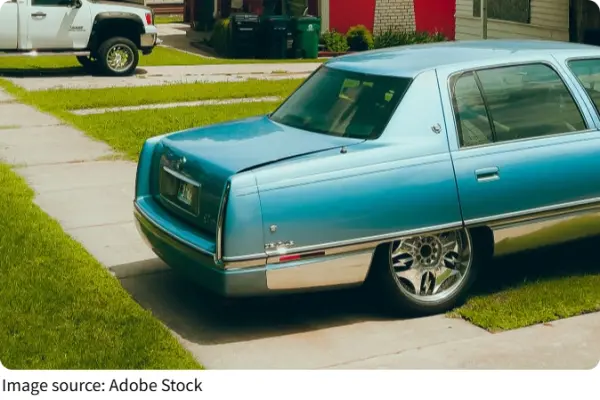
A vintage sedan has a slower, more mechanical personality than a modern car, and that difference is exactly what makes it interesting.
For Lykkers, the best experience comes from learning the practical habits that keep an older vehicle dependable without removing its character.
Keep Daily Use Simple
Older sedans often become difficult only when small issues are allowed to pile up. If you give attention to a few ordinary details, the car can feel surprisingly easy to live with and far less temperamental than its age suggests.
Do not let the fuel level stay too low
Older fuel systems may react badly to contamination or sediment that has collected over many years. Keeping a reasonable amount of fuel in the tank can reduce the chance of drawing debris from the lowest part of the system.
It also gives you more flexibility when driving in areas where fuel stations are less frequent. If the car has been stored for a long period, ask a specialist whether the fuel itself should be checked before regular use.
A vintage sedan should create memories on the road, not at the roadside while you stare at the fuel gauge.
Ventilate the cabin regularly
Older interiors often contain materials that hold moisture and odors more easily than newer cabins. On dry days, open the doors or windows for a short period and allow fresh air to circulate.
This is especially useful after rainy weather or longer storage. Check carpets and trunk lining for dampness, because moisture can hide underneath surfaces long before it becomes obvious.
A fresh cabin makes the whole car feel younger, even when the dashboard clearly remembers another era.
Use the heater and ventilation system occasionally
If the car is rarely driven, climate controls may sit unused for long periods. Operate the heater fan and ventilation settings from time to time so you notice whether the system is working normally.
Unusual smells, weak airflow, or noisy fans are easier to investigate before they become major annoyances. Older ventilation systems are usually simpler than modern ones, but that simplicity still benefits from occasional use.
You may also discover controls whose purpose was never obvious at first glance.
Choose parking with weather in mind
A vintage sedan may be more sensitive to long exposure to strong sunlight, heavy rain, and falling debris than a newer vehicle.
When possible, choose sheltered parking or a space that reduces direct exposure for long periods. If you park under trees, inspect the paint afterward because sap and bird residue should not remain on the surface unnecessarily.
The best parking space is not always the closest one. Sometimes a short walk saves a long cleaning session later.
Preserve Character Without Overdoing It
Owning a vintage sedan does not mean every surface must look newly restored. In many cases, careful preservation is more satisfying than replacing everything that shows age. The goal is to protect the car while keeping its story visible.
Clean delicate trim gently
Older chrome, wood, plastic, vinyl, and fabric may react differently to modern cleaning products. Before applying anything widely, check whether the product is suitable for that specific material. Use gentle methods and avoid aggressive scrubbing on faded or fragile areas.
Small marks are often better than damage caused by trying too hard to make an old surface look new. A vintage interior should feel cared for, not recently attacked by a cleaning experiment.
Keep original parts when replacements are necessary
If you replace a switch, light, trim piece, radio, or other component, consider keeping the original part if storage space allows.
Even if it is worn or no longer functional, it may be useful for reference, restoration, or future ownership decisions. Original pieces can also show dimensions, finishes, or markings that replacement parts do not reproduce perfectly.
Label stored components clearly so they do not become a mysterious collection of metal and plastic several years later.
Photograph details before repairs
Before removing interior panels, engine components, wiring connections, or trim, take clear photos from several angles.
These images can be extremely useful when reassembling the car, especially if the work takes longer than expected. Photograph fastener locations, wire routing, and small fittings before anything moves.
Memory is confident right up until five similar screws are sitting on a workbench.
Keep a notebook for unusual behavior
Instead of relying only on memory, write down when you notice a new sound, smell, leak, starting issue, or change in fuel consumption.
Include the date, weather, driving conditions, and what happened. Patterns may become clearer after several entries, which can also make conversations with a specialist more useful.
A simple notebook can become one of the best diagnostic tools in the glove compartment.
Check spare equipment before needing it
Older sedans may still carry a spare tire, jack, wheel tool, or other original roadside equipment that has not been touched for years. Inspect these items periodically and confirm that they are usable. A spare tire with plenty of tread may still be unsuitable if it is extremely old, while an original jack may require inspection before you rely on it. Also make sure you understand the correct lifting points for the vehicle.

A vintage sedan becomes easier to enjoy when you care for the small details around daily use. Sensible fuel habits, cabin ventilation, careful trim cleaning, smart parking, useful records, and thoughtful route choices can preserve both reliability and character. The real pleasure comes from keeping an older car usable without erasing the personality that made it worth saving.