Lepironia in Đồng Tháp

Hiro
| 28-10-2026
 · Travel team
Đồng Tháp Province offers a quieter side of the Mekong Delta, where wetlands support not only wildlife but also traditional livelihoods.
One of the region's unique plants is Lepironia articulata, locally harvested to produce woven mats, baskets, handbags, and household products.
Unlike large tourist attractions, these harvesting areas remain working landscapes, so timing is everything. For Lykkers, spending two days and one night around Tram Chim National Park and nearby craft villages provides the best balance between authentic local experiences and easy travel.
Dong Thap
Plan Around the Harvest Season
Seeing Lepironia harvesting is different from visiting a museum. Since it depends on growing conditions and local production schedules, planning ahead makes a big difference.
Visit during the dry season
The most comfortable months are generally December to April, when roads are easier to travel and rainfall is lower. Harvesting activities may take place at different times of the year depending on water levels and local demand, so it is worth asking your hotel or local tourism office a few days before arriving.
Most visitors travel from Ho Chi Minh City to Cao Lanh, the capital of Đồng Tháp Province. The journey takes about 3.5 to 4 hours by car or around 5 hours by coach, making it suitable for a short weekend trip.
For accommodation, Cao Lanh offers comfortable hotels between VND 500,000 and 900,000 per night, while homestays and guesthouses near Tram Chim National Park often start from around VND 350,000.
Instead of changing hotels, stay in one place and make day trips to the surrounding wetlands and villages.
Start early for the best experience
If harvesting is taking place, local workers usually begin early to avoid the strongest afternoon heat. Leaving your hotel around 6:30 or 7:00 a.m. gives you the best chance of seeing people cutting, bundling, and transporting the long wetland plants before temperatures rise.
Unlike staged demonstrations, every visit is different. Some days you may watch harvesting in the fields, while on others you are more likely to see drying, sorting, or weaving in nearby workshops.
Because these are working communities, always stay on paths or follow your local guide instead of walking directly into cultivated wetlands.
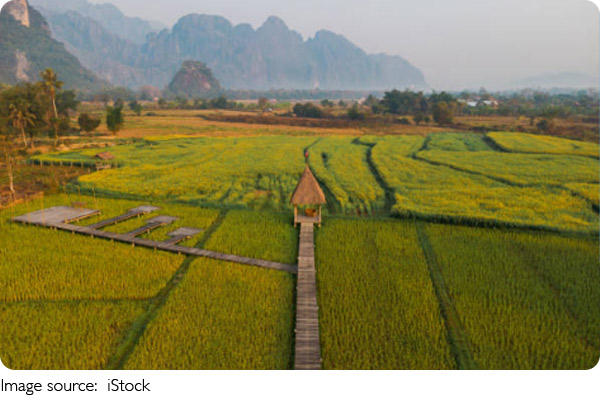
Combine Nature and Local Craft
The beauty of this trip is that the wetlands themselves explain why Lepironia has become such an important local resource.
Visit Tram Chim National Park
Only about 35 km from Cao Lanh, Tram Chim National Park is one of Vietnam's best-known wetland reserves and covers more than 7,300 hectares. The park protects seasonal floodplains that support hundreds of plant and bird species, making it an ideal companion to a Lepironia-focused visit.
Plan to spend 2 to 3 hours here. Boat tours are available through the park and typically take visitors into the wetlands, where you can better understand the natural environment that supports plants like Lepironia.
Entrance fees are modest, and depending on your itinerary, a boat trip may cost several hundred thousand VND. Booking through the official visitor center is the easiest option.
The cooler morning hours are usually better for both wildlife watching and photography.
Discover traditional weaving
After visiting the wetlands, continue to a local weaving community if one has been arranged. The entire process is surprisingly detailed. Freshly harvested stems are cleaned, dried naturally under the sun, sorted by length, and then woven into everyday products using techniques passed down through generations.
Rather than rushing through the workshop, spend some time talking with local artisans if possible. Many small family businesses also sell handmade products, making them meaningful souvenirs that directly support the community.
Allow one to two hours for the visit, including demonstrations and shopping.
Budget for a comfortable trip
Đồng Tháp remains one of the more affordable destinations in southern Vietnam. A realistic budget for two days and one night is around VND 2,000,000–3,500,000 per person, including accommodation, transportation from Ho Chi Minh City, meals, local travel, and entrance fees.
A typical daily meal costs VND 80,000–150,000 at local restaurants, while hiring a local driver or taxi for several nearby attractions usually costs much less than arranging separate rides throughout the day.
The biggest mistake is expecting harvesting to happen exactly where and when you arrive. Unlike performances designed for visitors, Lepironia harvesting follows nature and local production schedules. Contact your accommodation before traveling, allow flexibility in your itinerary, and combine the experience with Tram Chim National Park rather than making a special trip for harvesting alone.
For Lykkers, that creates a much more complete introduction to one of the Mekong Delta's most distinctive wetland traditions.