Unagi Rice Comfort

Priya
| 18-08-2026
 · Cate team
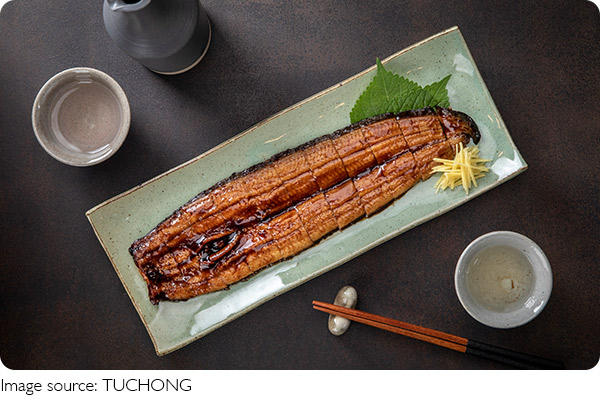
Lykkers, that warm, savory Asian dish in a close-up restaurant scene could very naturally be an unagi rice bowl. Grilled eel over steaming rice has exactly the rich glaze, warm tones, and polished simplicity that make food photography look instantly inviting.
This guide keeps the method realistic, relaxed, and flexible, because a comforting rice bowl should not turn your evening into a culinary examination.
The Glossy Unagi Bowl
This recipe makes two generous bowls. You will warm prepared eel, make a quick savory-sweet glaze, and arrange everything over rice. The presentation looks refined, but most of the actual work involves stirring sauce and trying not to eat the toppings before dinner reaches the table.
Ingredients
2 prepared grilled unagi fillets, about 120 g each
2 cups cooked Japanese short-grain rice
3 tablespoons soy sauce
1 tablespoon honey
1 tablespoon brown sugar
2 tablespoons water
1 teaspoon rice vinegar
1 teaspoon grated fresh ginger
1 teaspoon sesame oil
1/2 cucumber, thinly sliced
2 green onions, finely sliced
2 tablespoons sesame seeds
1 sheet nori, cut into small pieces
1/2 cup steamed edamame
1/4 teaspoon sansho pepper or black pepper
2 tablespoons pickled ginger, optional
Step 1
Add soy sauce, honey, brown sugar, water, rice vinegar, grated ginger, and sesame oil to a small saucepan. Warm over low heat for about 4 minutes, stirring until the sugar dissolves and the sauce becomes slightly glossy.
Keep the heat gentle. The goal is a smooth glaze, not a sticky situation that suddenly requires intense attention. Once the sauce lightly coats the spoon, remove it from the heat.
Step 2
Place the prepared unagi fillets on a baking tray lined with baking paper. Brush each fillet with a thin layer of the warm sauce.
Heat in an oven at 180°C for about 6 to 8 minutes, or according to the package directions. Brush again halfway through heating. The eel should become warm, glossy, and tender without drying out.
Step 3
Divide the hot Japanese rice between two deep bowls. Let the rice sit for a minute so excess steam settles. Spoon a small amount of sauce over the rice before adding the eel.
Place one warm unagi fillet over each bowl. Add cucumber, edamame, nori, and green onions around the rice. Keep the arrangement relaxed. A restaurant-style bowl does not require every cucumber slice to stand at attention.
Step 4
Drizzle a little more sauce over the eel. Sprinkle sesame seeds and a small pinch of sansho pepper or black pepper over the top. Add optional pickled ginger on the side.
Serve immediately while the rice is warm and the glaze is still shiny. The best spoonful catches rice, sauce, and a little eel together, which is why nobody should be surprised if conversation becomes temporarily less important.
Bring Restaurant Mood Home
The appeal of unagi rice comes from contrast rather than complexity. Soft rice supports rich eel, fresh vegetables cut through the savory glaze, and small toppings add texture. Once you understand those roles, you can adjust the bowl without losing its character.
Start With Prepared Unagi
For a realistic kitchen version, prepared grilled unagi is the easiest route. It has already been cooked and seasoned, so you mainly need to warm it carefully and refresh the glaze.
If it is frozen, thaw it in the refrigerator according to the package instructions before reheating. Heating from fully frozen may warm the surface faster than the center.
Prepared eel also keeps the recipe manageable. There is no reward for turning a comfortable dinner into an advanced seafood project when a good ready-to-heat fillet already gets you most of the way there.
Keep The Glaze Balanced
A good unagi-style sauce should taste savory, gently sweet, and slightly aromatic. Soy sauce creates depth, ginger adds freshness, and rice vinegar prevents the mixture from feeling too heavy.
Add sauce gradually. Too much can overpower both the eel and rice. A light layer beneath the eel and another small drizzle on top usually gives enough flavor.
If the sauce tastes too strong, add 1 tablespoon water. If it needs more sweetness, add 1 teaspoon honey rather than changing everything at once.
Give Rice The Right Texture
Japanese short-grain rice works beautifully because the grains stay tender and cling together slightly, making it easy to pick up sauce and eel in the same bite.
Serve it warm rather than extremely hot. Very hot rice can create too much steam beneath the eel and soften the glazed surface quickly.
If you are reheating cooked rice, sprinkle 1 tablespoon water over each cup, cover it, and warm gently. This restores moisture and keeps the texture pleasant.
Add Fresh Contrast
Cucumber is especially useful because its cool crunch balances the rich eel. Edamame adds color and a satisfying bite, while green onion brings freshness.
You can also add shredded cabbage, steamed spinach, sliced avocado, or finely shredded carrot. Keep the extras simple so the bowl still tastes unmistakably like unagi rice.
Nori adds another savory note, but a small amount is enough. Think supporting character, not seaweed takeover.
Lykkers, a savory Asian restaurant scene fits unagi rice beautifully: glossy grilled eel, warm rice, fresh toppings, and a rich sauce create exactly that cozy, close-up appeal. The practical secret is prepared unagi, gentle reheating, and a balanced glaze. Keep the rice soft, add fresh vegetables for contrast, and assemble everything just before serving. You get a bowl that looks polished, tastes comforting, and feels special without requiring an evening of complicated cooking.