Why Two Seats

Liam Reilly
| 13-08-2026
 · Automobile team
Hi, Readers! Open the door of a sports car, and one thing usually becomes clear right away: space is not treated as a general-purpose resource. It is treated as something precious, and every centimeter is assigned to driving. That is why many sports cars use a two-seat layout.
This is not simply a styling habit. It comes from a design logic centered on performance, balance, packaging efficiency, and the kind of experience the car is meant to deliver. A sports car is generally understood as a car designed with an emphasis on dynamic performance, such as handling, acceleration, top speed, and driving excitement.
Many are two-seaters or 2+2 models, and they are often built with rear-wheel drive, though layouts vary. What matters here is that the category has long been associated with a compact body, a low center of gravity, and a driver-focused cabin. In that context, the two-seat layout makes strong practical sense.
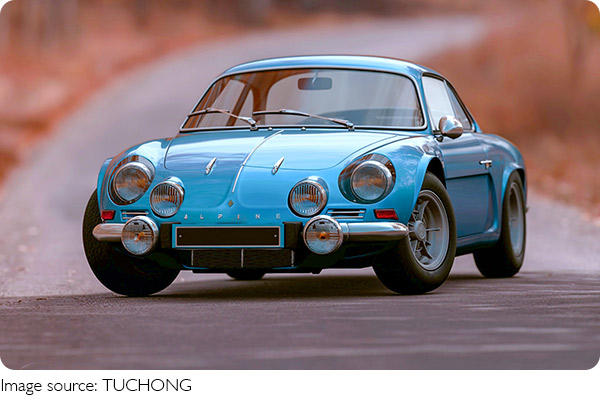
Why the cabin stays small
A smaller cabin helps engineers in several ways. First, it reduces overall vehicle length and wheelbase requirements. That can improve agility and make the car feel more responsive in corners. Second, a reduced passenger compartment can lower mass. Less structure, less glass, and less interior material usually mean less weight to move. For a car built around performance, that is a meaningful advantage.
There is also the issue of body rigidity. A compact passenger cell can be easier to engineer for stiffness, especially in coupes and roadsters. Greater structural rigidity supports more precise suspension tuning, which helps steering feel and chassis control. In simple terms, fewer space demands often give designers more freedom to optimize the car for dynamic behavior rather than family practicality.
Packaging and balance
The two-seat layout also works well with how sports cars package major mechanical components. Many classic sports cars place the engine at the front with the cabin pushed rearward. Others use a mid-engine arrangement, placing the engine behind the seats and ahead of the rear axle. In either case, a cabin designed for only two people gives engineers more room to position the engine, transmission, cooling system, and suspension in ways that support favorable weight distribution.
That balance matters because sports cars are expected to turn accurately and remain stable at speed. If designers had to prioritize a full rear bench and easier rear access, they would often lose the freedom needed to place components in the best performance-oriented positions. So the missing rear seats are not merely an absence. They are part of the car's engineering strategy.
Driver focus over general utility
Another reason for the two-seat format is conceptual. Sports cars are typically built around the driver and one passenger, not around maximum occupancy. The seating position is usually low, the dashboard wraps around the driver, and controls are placed for quick and intuitive use. This environment supports the idea that the car is meant to be experienced actively, not just used for transport.
That is also why luggage space is often limited. Designers tend to protect proportions, aerodynamics, and chassis layout before expanding storage volume. Some sports cars still provide enough trunk space for short trips, but the central priority remains clear: driving quality comes first. In this sense, the two-seat plan is not just a space limitation. It is a declaration of purpose.
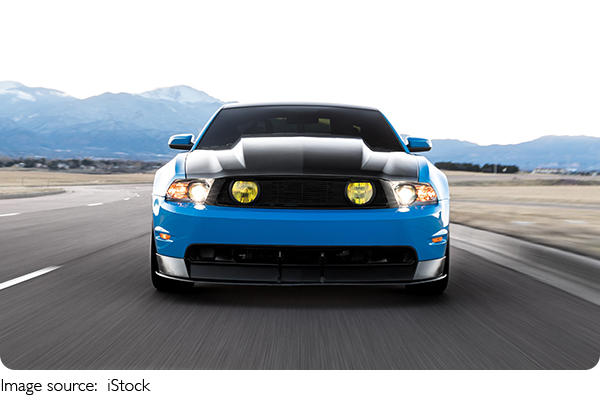
Why some use 2+2 instead
Not every sports car is a strict two-seater. Some adopt a 2+2 layout, which adds very small rear seats. This approach can broaden usability while still preserving much of the coupe shape and performance identity. Even so, those rear seats are often best suited to short trips or extra storage rather than regular full-size passenger comfort. That limitation itself shows the compromise at work.
Manufacturers choose between two seats and 2+2 seating based on what kind of car they want to build. If the priority is sharper packaging and a more uncompromising performance character, two seats are often the cleaner solution. If broader daily use matters, a 2+2 design may be more attractive, even if it introduces some trade-offs in size, mass, and interior proportions.
In the end, the two-seat sports car exists because its mission is unusually focused. It gives up rear seating to gain better packaging, lower weight, stronger structural logic, and a more concentrated driving experience. So next time you see that tight cabin, do not think only about what was removed. Think about what that missing space made possible, and ask yourself: would you choose practicality, or pure driving intent?