Anti-Inflammatory Eating

Elena Rossi
| 16-08-2026
 · Cate team
Inflammation is part of the body’s natural defence system. In the short term, it helps fight infection and repair injuries. Problems can arise when inflammation becomes persistent. Chronic inflammation has been linked with conditions including heart disease, type 2 diabetes, some cancers and cognitive decline.
Diet cannot eliminate inflammation on its own, but everyday food choices may influence it. The most useful approach is not a restrictive short-term programme but a balanced eating pattern centred on vegetables, fruit, whole grains, legumes, nuts, seeds and plant-based oils.
There Is No Single Diet
There is no officially defined “anti-inflammatory diet”. Instead, research points towards eating patterns that naturally contain large amounts of foods associated with lower inflammation.
Registered dietitian Jeanne Luongo explains that a Mediterranean-style eating pattern is one of the strongest practical models because it emphasises vegetables, fruit, whole grains, legumes, nuts, seeds and olive oil while keeping highly processed foods to a minimum. She also stresses that the overall pattern matters more than any individual ingredient.
Plant-focused diets and the DASH approach follow many of the same principles, making them useful alternatives.
Fill Your Plate With Plants
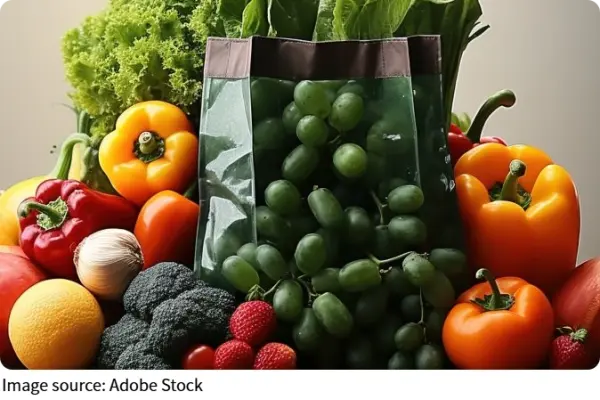
Vegetables and fruit should form a substantial part of an anti-inflammatory eating pattern.
Berries, citrus fruits, apples, leafy greens, peppers and onions contain plant compounds known as polyphenols. These substances are being studied for their antioxidant and anti-inflammatory properties.
A simple approach is to make vegetables or fruit roughly half of the food on your plate. Variety matters too: choosing different colours throughout the week provides a broader range of nutrients and plant compounds.
Instead of completely rebuilding your meals, start with easy additions. Add berries to breakfast, serve leafy greens alongside dinner or keep sliced vegetables available for snacks.
Choose Fibre-Rich Carbohydrates
Whole grains, beans, lentils, vegetables and fruit provide fibre, which supports digestive health and the gut microbiome.
Oats, barley, brown rice and whole-grain bread are generally better everyday options than highly refined grains.
Refined carbohydrates such as white bread, many pastries and heavily processed snack foods contain less fibre and can be digested quickly. Replacing some of them with minimally processed alternatives is usually more realistic than trying to remove carbohydrates altogether.
Choose Nutritious Oils and Foods
Olive oil, nuts, seeds and certain fish can all fit naturally into this style of eating.
Omega-3 compounds are found in foods including salmon, sardines, walnuts, chia seeds and flaxseed. They have been widely studied for their possible role in supporting cardiovascular health and helping regulate inflammatory processes.
The goal is not to eat unlimited amounts simply because a food is considered healthy. Nuts, seeds and oils are energy-dense, so sensible portions still matter.
Reduce Highly Processed Foods
An anti-inflammatory eating pattern also involves paying attention to what appears less often on the plate.
Ultra-processed meals, sugary cereals, biscuits, deep-fried foods, processed meats and products high in added sugar are better treated as occasional choices rather than everyday staples.
Instead of thinking in terms of strict bans, use simple swaps. Replace a sweet snack with fruit and nuts, choose roasted vegetables instead of fried sides, or use hummus with raw vegetables when you want something quick.
Small changes repeated consistently are usually easier to maintain than a dramatic diet overhaul.
What Could a Day Look Like?
Breakfast might be overnight oats with plain yogurt, berries, walnuts and chia seeds. Another option is multigrain toast topped with avocado and an egg.
For lunch, try a lentil salad with spinach, peppers, herbs and baked fish, dressed with olive oil and lemon. A hummus bowl with vegetables, chickpeas and a small amount of feta is another simple option.
Dinner could include grilled fish or chicken with vegetables and brown rice, or a tray of roasted vegetables, beans and potatoes finished with herbs and olive oil.
For snacks, combine fruit with nuts or vegetables with a seed-based spread.
Make It Sustainable
The strongest anti-inflammatory diet is one you can realistically follow over time.
Rather than searching for one “superfood”, gradually build meals around vegetables, fruit, legumes, whole grains, nuts, seeds and plant-based oils. Herbs and spices such as garlic, ginger, rosemary, cinnamon and black pepper can add plenty of flavour without relying heavily on salt or highly processed sauces.
Diet may help reduce chronic inflammation, but it is not a cure for arthritis, cardiovascular disease or other chronic conditions. Persistent symptoms or significant dietary changes should be discussed with an appropriate healthcare professional.
The most useful principle remains simple: focus less on individual miracle ingredients and more on the quality of your overall eating pattern.