Life Beyond the Feed

Amina Hassan
| 16-08-2026
 · Lifestyle team
Stepping away from social media began as a simple experiment: delete the apps, stop scrolling and see what happens. Eight weeks later, the biggest surprise was not how much I missed it. In fact, I barely wanted it back. That does not mean I will never return.
Social media can be useful for work, creativity and staying connected with people who live far away. But once the constant stream of updates disappeared, I began noticing what had been hiding underneath it.
There was more room for conversations, reading, uninterrupted work and moments that did not need to be photographed or shared.
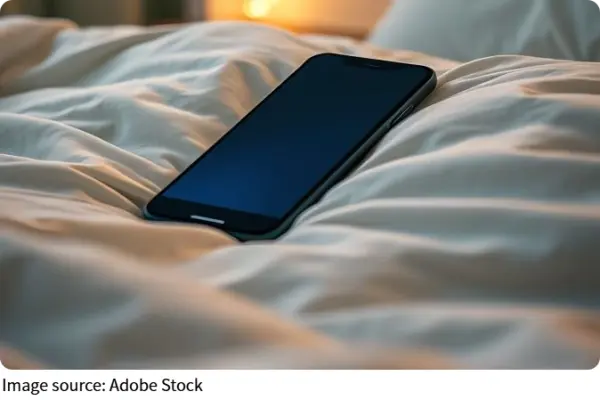
1. Online Updates Are Not Real Connection
At first, I missed knowing what everyone was doing. I no longer saw updates from writers, distant acquaintances or interesting strangers. For a while, it felt as though I had become disconnected from a large group of people.
Then I realised something obvious: I did not actually know most of them. Social media creates a convincing sense of familiarity. You may know where someone travelled, what they cooked or how they spent the weekend without ever having a real conversation with them.
Meanwhile, genuine friendships can become surprisingly passive.
You see a friend’s holiday photos and feel as though you have caught up. You react to a birthday post or leave an emoji under good news. Yet you may not have spoken properly for months. Without a feed doing that work for me, staying connected required more effort. I started sending more messages, arranging calls and having longer conversations with friends I had not spoken to in far too long.
A 2022 randomized study found that people who took a one-week break from social media reported improvements in well-being, anxiety and depressive symptoms.
The more interesting question may be: are we genuinely connecting with people, or simply receiving information about their lives?
2. Not Every Moment Needs to Be Shared
The first few weeks also exposed another habit. Something beautiful would happen — a sunset, an interesting meal, a perfect view — and almost immediately I would think: this would make a good post.
There is nothing wrong with taking photographs. I still do it because I enjoy keeping memories.
But I began noticing the difference between taking a picture because I wanted to remember something and taking one because I was already imagining how other people would see it. Without social media, that imaginary audience gradually disappeared. A sunset could simply be a sunset. A funny moment did not need to be retold online. A weekend away did not require photographic proof to become memorable.
I started practising something very simple: noticing things.
A beautiful view? Look at it.
A familiar smell? Notice it.
Something funny happens? Enjoy it.
Nothing else has to happen afterward. Another habit disappeared even faster: wondering what random people online were doing. Once I stopped checking, I simply stopped thinking about them.
There is nothing wrong with following people who inspire or entertain you. But sometimes curiosity is genuine, and sometimes checking has simply become automatic.
3. My Attention Began to Change
Stopping social media did not immediately make me perfectly focused. My brain simply looked for replacements. I checked the news more often. I refreshed the weather despite already knowing the forecast. I browsed online shops without planning to buy anything.
Apparently, what I missed was not one particular platform. It was the habit of filling every spare moment. Eventually, I noticed the pattern and began interrupting it. That was when my concentration started feeling different. I could read for longer without reaching for my phone. Work became less fragmented. An unrelated thought no longer had to become a ten-minute internet detour.
A 2025 study found that blocking mobile internet on smartphones for two weeks improved sustained attention, mental health and subjective well-being.
The goal does not have to be rejecting technology — it may simply be creating fewer opportunities for attention to be pulled elsewhere.
What Fills the Empty Space?
Perhaps the most interesting thing about leaving social media is discovering that the empty space does not stay empty. The minutes previously lost to scrolling begin finding other uses. You read a few more pages. You message someone you actually care about. A walk becomes quieter. Dinner lasts slightly longer. Sometimes you simply do nothing.
And doing nothing starts to feel less like a problem. Modern life provides endless ways to avoid quiet moments. There is always another headline, video, recommendation or person to check. When some of that noise disappears, ordinary life becomes more noticeable.
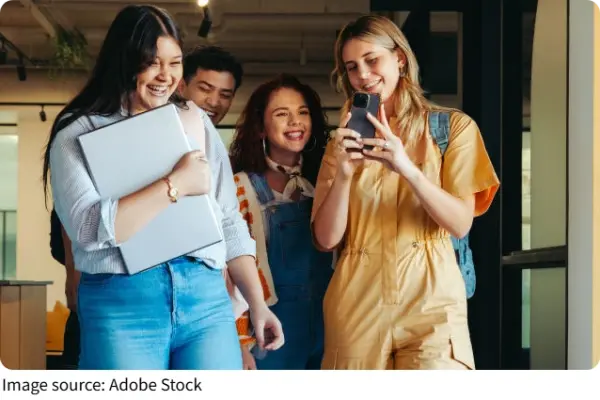
Will I Go Back?
Probably, at some point.
There are things about social media I genuinely value: conversations, creative communities, useful information and people I enjoy following. But after eight weeks away, returning no longer feels automatic.
Perhaps I will reinstall one platform and leave another behind. Maybe I will use social media only at certain times. The important change is that it now feels like a choice rather than background noise.Eight weeks without social media did not transform life into something extraordinary. The change was quieter than that.
There were fewer strangers to keep up with, fewer things demanding to be checked and fewer moments that seemed to require an audience. And somehow, that created more room for the life that was already happening.