Smooth Strawberry Mousse

Amina Hassan
| 26-08-2026
 · Cate team
Welcome back. Strawberry mousse cake sounds fussy, but the home version is very doable if you keep the steps tidy and cold at the right moments.
You're building three clear parts here: a cake base, a strawberry mousse filling, and a shiny mirror top. The smooth finish does not come from luck.
It comes from straining the glaze, watching the temperature, and pouring in one steady motion over a very cold cake.
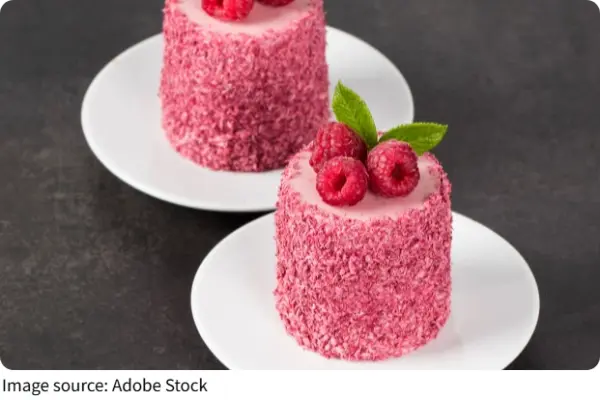
The base keeps it steady
You'll need 2 eggs, 50 g milk, 40 g corn oil, 50 g low-gluten flour, and 45 g sugar for the cake layer. Separate the eggs. Mix the yolks with milk and corn oil first, then stir in the flour until smooth. Whip the egg whites with sugar until they reach a firm, curved peak, then fold them into the yolk batter in batches so you do not knock out too much air. Pour into a mold and bake until the surface is set and lightly colored. Once cooled, cut one cake round to fit your mousse mold. If your round is even 1 cm too wide, the mousse edge will look cramped instead of clean, so trim it slightly smaller than the mold.
The mousse needs control
For the strawberry part, prepare 250 g strawberries, 250 g light cream, 50 g sugar, 10 g gelatin sheets, and a little lemon juice if you want the fruit taste brighter. Blend the strawberries into a puree, then strain out the seeds so the mousse stays fine instead of grainy. Soak the gelatin sheets in cold water until soft, then melt them gently and mix them into the strawberry puree. Whip the cream to a texture that still flows softly. Do not whip it until stiff, because stiff cream gives you a rougher cut surface later. Fold the puree into the cream evenly.
Put the trimmed cake round into the mold first, then pour in the mousse. Tap the mold lightly to release trapped air. That small step matters. Tiny bubbles near the sidewall are one of the reasons a finished mousse cake looks uneven after unmolding. Chill the cake until fully set before you even think about the mirror layer.
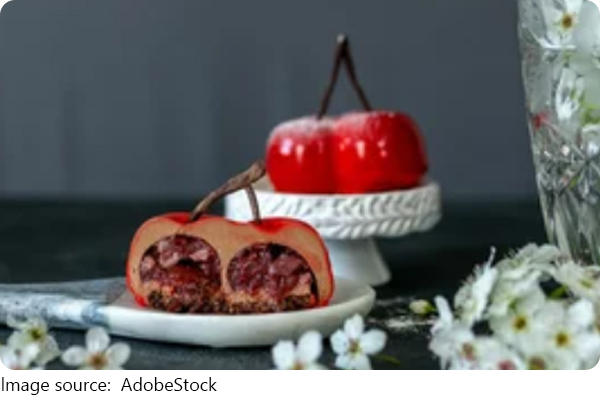
The mirror stays smooth
For the top glaze, use 100 g strawberry puree, 30 g sugar, 5 g gelatin sheets, and a little water if needed to adjust the thickness. Soak the gelatin sheets in cold water. Heat the puree with sugar until the sugar dissolves, then add the softened gelatin and stir until fully melted. After that, strain the glaze. This is the step many people rush, but it is the difference between a clean top and one with pulp bits or tiny lumps.
Let the glaze cool to a warm, pourable state. If it is too hot, it can melt the mousse surface and leave marks. If it is too cool, it will fall unevenly and lose that smooth sheeted finish. Take the cake out only after the mousse is well chilled, then pour the glaze from the center and let it spread outward on its own. Do not keep dragging it around with a spatula unless you really need to fix one small bare spot. Too much touching leaves lines.
Cold time does real work
After glazing, return the cake to the fridge so the top can set fully. When you unmold, warm the outside of the mold very briefly with your hands or a warm towel so the edge releases neatly. If you want extra decoration, place halved strawberries or a few small pieces on top, but keep it simple. A crowded top can distract from the clean mirror surface you worked for.
There's also one common mistake you should avoid. Do not skip straining either the strawberry puree or the glaze. Strawberry seeds and fruit bits are small, but on a smooth mousse finish they show up immediately, especially across the center of the cake where the light catches the top.
Once you've made it this way once, the whole process feels much less intimidating. You're not chasing a fancy bakery result by doing anything complicated, you're just keeping the puree smooth, the cream softly whipped, and the glaze at the right temperature. So if you want that neat strawberry mousse cake at home, focus on the cold setting time and the gentle glaze pour, and you'll get a top that looks clean when you slice into it.