Green Cacio e Pepe

Mei
| 04-09-2026
 · Cate team
Cacio e pepe looks simple because its ingredient list is short. That is also why the technique matters so much. The sauce should not feel thick or heavy.
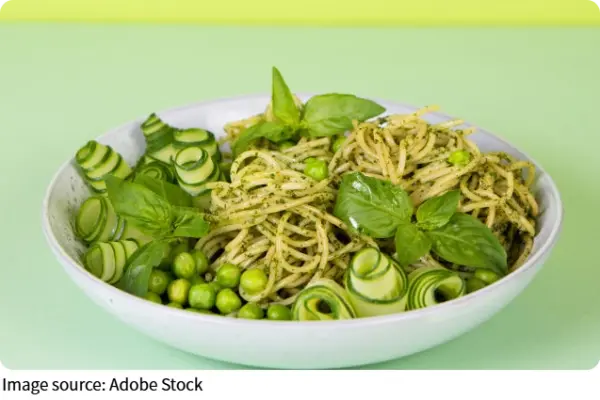
It should be glossy, smooth and cling to the pasta in a thin layer, with black pepper providing warmth and runner beans adding freshness and a little bite.
The key is pasta water: its starch helps butter and cheese come together into a proper sauce instead of separating.
What You’ll Need
180 g linguine or bucatini
160 g beans, trimmed, strings removed and finely sliced
A splash of olive oil
60 g butter
1 tsp black peppercorns, roughly crushed
30 g Parmesan, finely grated and at room temperature
30 g pecorino, finely grated and at room temperature
Extra pecorino, to serve
Salt, to taste
Serves 2.
Preparation takes about 10 minutes, with around 15 minutes of cooking.
1. Cook the Pasta and Beans
Bring a large saucepan of salted water to the boil.
Add the pasta and cook for 4 minutes.
Then add the sliced runner beans to the same pan and continue cooking for another 2 minutes.
The beans should soften but still keep some texture.
Drain everything, but reserve plenty of the cooking water.
Tip: never pour away the pasta water before the sauce is finished. You may need more than expected.
2. Toast the Pepper
Add a splash of olive oil and about three-quarters of the butter to a large frying pan.
Warm over medium heat.
Add the crushed black pepper and cook for about 1 minute.
You are looking for a strong aroma, not dark or burnt pepper.
Roughly crushed pepper works especially well because it gives the finished pasta small bursts of heat rather than one flat peppery flavour.
3. Start the Sauce
Pour one ladleful of reserved pasta water into the frying pan.
Whisk well.
At first, the butter and water may look separate.
Keep whisking until they begin to form a smoother, slightly creamy mixture.
Add the remaining butter.
Then transfer the pasta and runner beans into the pan.
4. Add the Cheese Slowly
Add half of the Parmesan and pecorino.
Stir continuously while gently moving the pan.
Once the first cheese has melted, add the rest.
If the sauce becomes too thick, add another small splash of pasta water.
Why it works: adding the cheese in stages helps it melt evenly and reduces the risk of clumps.
Using room-temperature cheese also makes the sauce easier to emulsify.
The finished sauce should look glossy and loose enough to coat the pasta rather than forming a thick layer.
5. Check the Texture
Taste the pasta.
If it needs a little longer, keep cooking it in the sauce with another splash of pasta water.
Both cheeses are naturally salty, so additional salt may not be necessary.
The runner beans should still retain enough bite to contrast with the soft pasta and creamy sauce.
Serve Straight Away
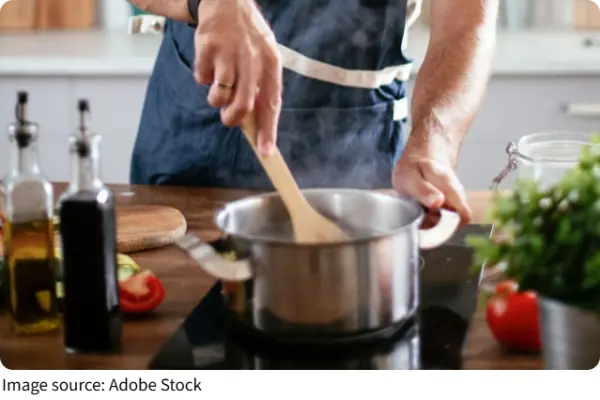
Divide the pasta between warm bowls. Finish with extra pecorino and another crаck of black pepper. This dish is best eaten immediately because the sauce thickens quickly as it cools.
The best bite combines silky pasta, salty cheese, fragrant pepper and the fresh snap of runner beans. It keeps everything people love about classic cacio e pepe while adding just enough green freshness to make it feel lighter and more seasonal.