Pickup Driving Made Easy!

Caroll Alvarado
| 09-09-2026
 · Automobile team
Driving a pickup truck for the first time can take some getting used to. Compared with a compact car or SUV, a pickup usually feels wider, longer, and heavier, which can change everything from parking and turning to braking and reversing.
With a little practice and the right habits, however, handling a larger truck can quickly become much more comfortable.
1. Get Familiar With the Truck’s Size
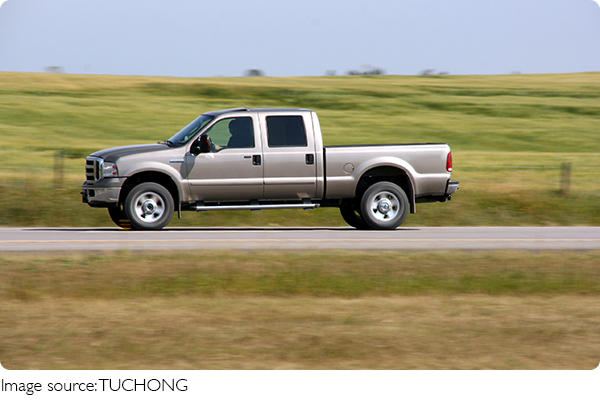
The first thing to understand is how different the truck’s dimensions feel from behind the wheel. A pickup may require more room when turning, stopping, changing lanes, or maneuvering through narrow areas. Before taking the truck into heavy traffic, consider practicing in an open parking area. Try making turns, reversing, and parking so you can better judge the vehicle’s length and width.
Pay particular attention to the rear corners. The front wheels and rear wheels do not follow exactly the same path during a turn, so taking corners carefully can help prevent contact with curbs or nearby vehicles.
Tip: Adjust the side mirrors before driving and use them regularly to build a better sense of the truck’s position.
2. Practice Reversing With Extra Care
Reversing can be one of the more challenging parts of driving a pickup, especially when the bed makes it difficult to see directly behind the vehicle. A rear camera can provide a useful view of the area behind the truck and make parking or reversing easier. Check the mirrors and surrounding area before moving, and reverse slowly enough to react to anything that enters your path.
3. Start Braking Earlier
A larger pickup can carry considerably more weight than a small passenger car, particularly when the truck is loaded. That makes maintaining enough space between vehicles especially important. When approaching traffic lights, intersections, or stopped vehicles, begin slowing earlier than you might in a smaller car. Smooth braking also helps reduce sudden movements inside the cabin and keeps the truck easier to control.
A simple habit is to look farther ahead instead of focusing only on the vehicle immediately in front. Spotting slowing traffic early gives you more time to respond without making an abrupt stop.
4. Pay Close Attention to Blind Spots
The larger body of a pickup can create areas that are more difficult to see from the driver's seat. Properly adjusted mirrors can improve visibility, but they cannot remove every blind area.
Before changing lanes, check the side mirrors carefully and make sure there is sufficient space. Signal early and avoid rushing into a lane simply because another vehicle appears distant. Additional camera systems can also provide useful views around the truck.
5. Take Extra Care When Hauling or Towing
One major advantage of a pickup is its ability to carry cargo or tow a trailer. But adding weight changes how the vehicle responds. Before loading the truck, check its recommended payload and towing limits. Cargo should be distributed properly and secured so it cannot move while driving.
When towing, allow additional room for braking and turning. Acceleration may also feel slower, while the trailer can require wider turns than usual. Avoid sudden steering movements and give yourself plenty of space when maneuvering.
Build Confidence Through Practice
The best way to become comfortable with a pickup is to spend time learning how it responds. Practice parking, reversing, turning, and stopping in a quiet area before tackling crowded roads. As familiarity grows, judging distances and positioning the truck becomes more natural. There is no need to rush the learning process; controlled movements and careful observation are more valuable than speed.
A pickup truck may feel unfamiliar at first, but its larger size does not have to make driving stressful. Understanding the vehicle's dimensions, leaving more stopping space, checking blind spots, practicing reversing, and taking extra care with cargo can make a noticeable difference.

Modern camera systems can provide helpful additional visibility, but safe driving still comes down to awareness, patience, and good judgment. With regular practice, even a large pickup can become much easier to handle with confidence.