Greener Driving Future

Raghu Yadav
| 09-09-2026
 · Automobile team
Lykkers, the way we travel is changing. As people become more aware of energy use and environmental challenges, new energy vehicles are becoming an increasingly familiar part of everyday transportation.
Electric cars and other alternative-energy vehicles offer a different approach to mobility, combining efficient power use with quieter operation. While they are not without challenges, their development is creating new possibilities for cleaner and more practical travel.
Using Energy More Efficiently
One of the most important advantages of new energy vehicles is the way they use power. Electric vehicles rely on electric motors to turn stored electrical energy into movement. Compared with traditional engines, electric motors can use energy more efficiently because less energy is lost as heat during operation.
This difference can be especially useful in everyday driving. We often accelerate, slow down, stop, and start again during a normal trip. An electric vehicle can manage these changes efficiently, helping us make better use of the energy stored in its battery.
Making Braking More Useful
Another useful feature found in many electric vehicles is regenerative braking. When we slow the vehicle, the system can recover some of the energy that would otherwise be lost during braking. That energy can then be returned to the battery for later use.
This process does not eliminate energy loss completely, but it makes the driving system more efficient. It also shows how vehicle technology is moving beyond simply using energy and toward recovering and reusing part of it.
Reducing Urban Air Pollution
New energy vehicles can also contribute to cleaner urban environments. Battery-powered vehicles do not produce tailpipe emissions while driving, which can help reduce local air pollutants in areas with heavy traffic.
This benefit can be particularly noticeable on busy streets where many vehicles operate close together. Cleaner transportation does not solve every environmental problem, but reducing direct emissions from daily travel can be a meaningful step toward improving urban air quality.
A Quieter Driving Experience
Noise is another area where electric vehicles can make a difference. Electric motors generally operate more quietly than conventional engines, especially at lower speeds.
For people living near busy roads, schools, residential neighborhoods, and other frequently traveled areas, lower vehicle noise can make the surrounding environment more comfortable. As more quiet vehicles enter cities, transportation noise may become easier to manage.
Connecting Cars With Clean Energy
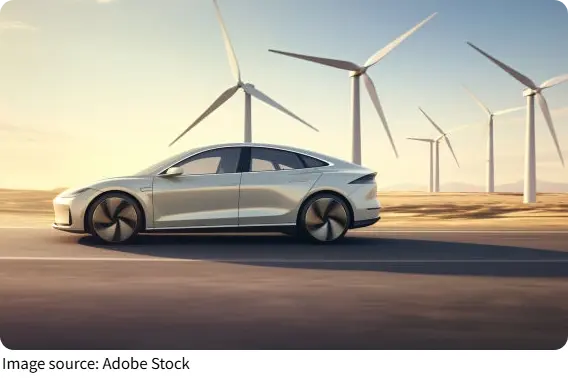
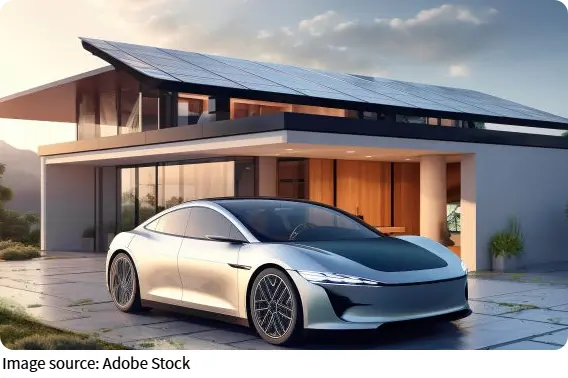
The environmental value of an electric vehicle also depends on how its electricity is produced. Renewable sources such as solar, wind, and hydropower can provide electricity with lower environmental impacts during generation than many conventional energy sources.
As clean energy becomes more widely available, electric vehicles can become part of a broader energy system. We can think of charging not simply as filling a vehicle with power, but as connecting transportation with the changing way electricity is produced and managed.
Challenges Still Matter
Although the advantages are promising, new energy vehicles still have practical challenges. Battery capacity, charging time, charging access, vehicle cost, and driving distance between charges can all influence whether a vehicle suits a particular person.
We also need convenient charging networks and continued improvements in battery technology. Better batteries could provide longer driving ranges, faster charging, longer service life, and more accessible costs. These improvements would make alternative-energy vehicles easier to use for a wider range of drivers.
What Comes Next
Technology will remain an important part of the next stage of development. Improvements in batteries, charging systems, energy management, and driving assistance could make vehicles more convenient and efficient.
At the same time, consumer choices will influence how quickly transportation changes. When we consider a vehicle, we can look beyond its appearance and performance and think about how efficiently it uses energy, how often we drive, and what charging options are available to us.
Final Thoughts
New energy vehicles are changing the conversation around everyday transportation. Their efficient electric motors, energy recovery systems, quiet operation, and potential connection with renewable electricity offer several practical benefits.
There is still room for improvement, but progress does not depend on one single technology. As vehicles, batteries, charging systems, and energy sources continue to develop together, we can move toward transportation that makes better use of resources. For us as drivers, understanding these changes can help us make thoughtful choices about how we travel today and what roads may look like tomorrow.