Steering With Control

Kenji
| 09-09-2026
 · Automobile team
When we drive, our hands are one of the main connections between us and the car. A small change in hand position can affect how quickly and smoothly we respond to a turn, road change, or unexpected situation.
For Lykkers who want a more comfortable and controlled driving experience, learning a good steering wheel grip is a simple skill worth practicing.
Start With Nine and Three
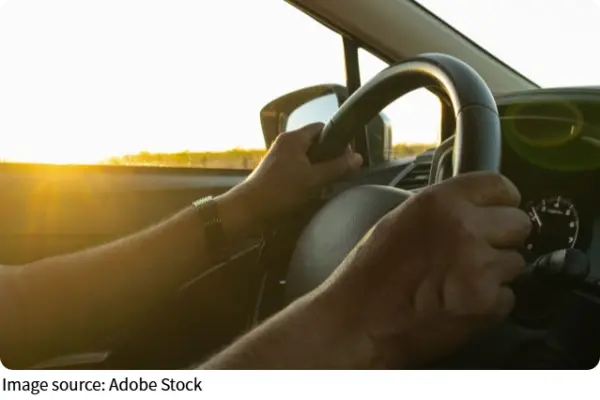
A practical hand position is often described as nine and three, based on the numbers on a clock. We place the left hand around the nine o’clock position and the right hand around three o’clock. This gives us a balanced grip and keeps both hands ready to guide the vehicle.
Compared with placing both hands near the top of the wheel, this position gives us more room to make controlled steering movements. It also keeps our hands in a natural location during ordinary driving.
Keep the Grip Relaxed
Holding the wheel securely does not mean squeezing it tightly. We should keep our fingers naturally curved around the rim while allowing the wrists and arms to stay relaxed.
A grip that is too tense can make driving tiring, especially during longer trips. It can also make small steering adjustments feel less smooth. A comfortable grip allows us to respond naturally while maintaining a clear sense of how the vehicle is moving.
Let Both Hands Work
Using both hands gives us better control than relying on one hand for routine driving. With both hands available, we can make steering corrections more smoothly and react more easily when the road changes.
Single-hand driving may feel convenient when traveling along a familiar straight road, but it reduces our available control. Keeping both hands in position is a simple habit that supports more consistent driving.
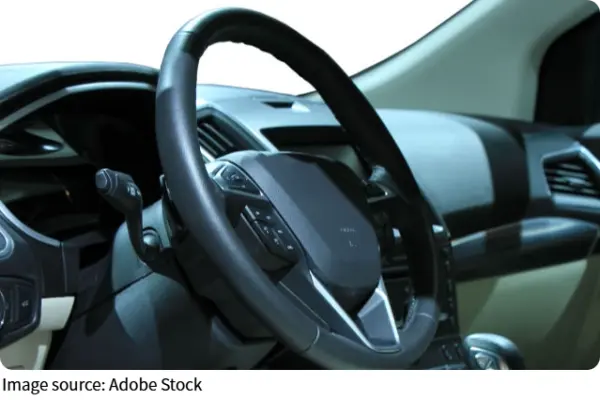
Avoid Crossing the Arms
During ordinary turns, we should avoid allowing our arms to become unnecessarily crossed. When one arm moves across the other, our steering range and freedom of movement can become less convenient.
For larger steering inputs, we can use smooth hand movements that keep the vehicle under control without making sudden or awkward motions. The goal is to keep our movements predictable and comfortable rather than forcing the wheel around quickly.
Watch the Finger Position
Our fingers also deserve attention. We should avoid placing the fingers deeply inside the steering wheel, especially through the inner openings. If the wheel needs to move quickly, this position can interfere with natural hand movement.
Instead, we can keep our fingers around the outer rim. This provides a secure connection while allowing the hands to move more freely when steering.
Adjust the Driving Position
Good hand placement starts before the vehicle moves. We should adjust the seat so that we can reach the steering wheel comfortably without stretching our arms too far.
Our elbows should have a natural bend, while the shoulders remain relaxed. We should also have a clear view of the road and enough space to move the steering wheel smoothly. A comfortable driving position reduces unnecessary strain and makes proper hand placement easier to maintain.
Stay Comfortable on Long Trips
Long drives can make our hands, wrists, and shoulders tired. Instead of waiting until discomfort becomes distracting, we can make small adjustments during suitable moments while keeping proper control of the vehicle.
If we use steering wheel controls, we can operate them briefly while maintaining a secure connection with the wheel. Attention should remain on the road, and unnecessary movements should be kept to a minimum.
Practice Smooth Steering
Correct hand placement is only one part of good steering technique. We should also focus on smooth, gradual movements rather than sudden inputs. Looking ahead helps us anticipate bends and changes in the road, giving us more time to steer naturally.
When we combine a balanced grip, relaxed hands, and steady movements, driving can feel more predictable and comfortable.
Final Thoughts
For us, proper steering wheel technique is less about holding the wheel in a rigid way and more about creating a stable connection with the car. The nine-and-three position, relaxed grip, balanced use of both hands, and comfortable seating position can all support better control.
Lykkers, the next time we get behind the wheel, we can take a moment to check our hand position before setting off. A small adjustment can become a useful everyday habit, helping us drive with greater comfort, confidence, and awareness.
How to Position Your Hands on the Steering Wheel
Video by Smart Drive Test