Why Are Sports Cars So Low?

Leila
| 24-09-2026
 · Automobile team
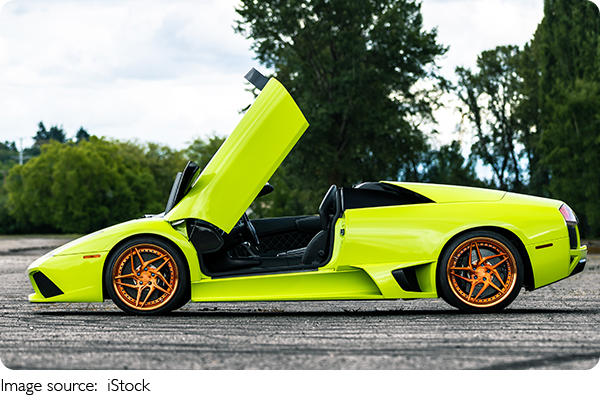
Sports cars often look as though they are almost hugging the road. Their low roofs, compact cabins, and wide stance create an unmistakable appearance, but the shape is about much more than style.
Every part of a sports car is designed around how the vehicle moves, responds, and feels on the road. For us, understanding why these cars sit so low makes their appearance much easier to appreciate. Lykkers, let’s take a closer look at the design choices behind that famous silhouette.
Better Airflow
One of the biggest reasons for a low body is aerodynamics. When a vehicle moves quickly, air flows around and over its body. The shape of the vehicle affects how smoothly that air travels.
A lower roof and carefully shaped body can help designers manage airflow more effectively. Instead of creating unnecessary resistance, the body can guide air around important areas of the vehicle. This can support high-speed efficiency and help the car feel more composed when moving quickly.
The goal is not simply to make the vehicle shorter. Designers also consider the front end, roofline, rear section, underbody, and other surfaces as one connected aerodynamic system.
A Lower Center of Gravity
Another important reason is the center of gravity. In simple terms, this describes where the vehicle's overall weight is concentrated. When the center of gravity is lower, the vehicle can feel more stable during cornering. There is less tendency for the body to lean from side to side, allowing the suspension and tires to work more effectively.
This is particularly useful for a vehicle designed around responsive handling. Designers may position major components as low as practical while carefully considering weight distribution between the front and rear. The result is a car that can feel more balanced and predictable when the driver changes direction.
Designed Around Driving
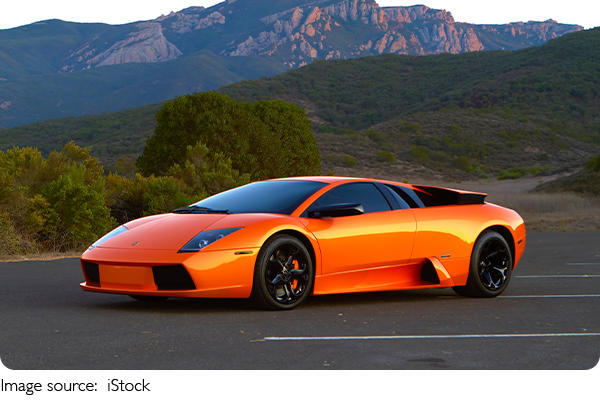
Sports cars are generally created with driving performance as a major priority. Their proportions reflect that purpose. A low seating position places the driver closer to the road and can create a stronger sense of connection with the vehicle. The driver may feel changes in direction, acceleration, and road movement more clearly.
The low roof also contributes to the visual impression of speed. A long hood, short cabin, broad stance, and sloping roof can make the vehicle appear ready to move even while it is parked. Here, engineering and visual design work together rather than existing as separate ideas.
Why Comfort Can Be Different
The same design choices that benefit handling can create practical compromises. A low seating position can make getting into and out of the car less convenient. Drivers may need to lower themselves into the seat and rise more carefully when leaving. The compact cabin can also provide less headroom and storage space than a conventional passenger vehicle.
Ground clearance can be another consideration. A vehicle that sits close to the road requires careful attention when passing over steep entrances, uneven surfaces, or raised sections of pavement. For everyday driving, these details can matter just as much as performance.
Lightweight Construction
Modern sports car development also focuses heavily on reducing unnecessary weight. Lighter construction can improve acceleration, braking, handling, and overall efficiency.
Engineers may use advanced materials and carefully designed structures to reduce mass while maintaining the strength required for the vehicle. At the same time, designers continue to refine the shape of the body so that aerodynamic performance does not come at the expense of practicality.
This shows why a low sports car is not simply a smaller version of an ordinary vehicle. Its entire structure is developed around a different set of priorities.
The Future of Low Sports Cars
As automotive technology develops, the traditional sports car shape may continue to evolve. Electric powertrains, improved battery layouts, advanced suspension systems, and increasingly sophisticated aerodynamic designs are giving engineers new ways to arrange components.
Some future performance cars may have greater freedom in cabin and body design because their internal components can be positioned differently. Yet the basic appeal of a low stance is unlikely to disappear. Stability, airflow, handling, and visual character will remain important parts of performance-car design.
Final Thoughts
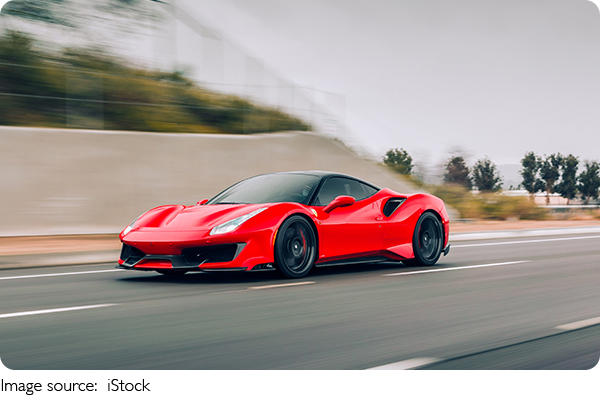
So, why are sports cars so low? The answer comes from a combination of aerodynamics, weight distribution, handling, driver position, and visual design. A low body helps engineers create a stable and responsive vehicle while giving the car its distinctive appearance.
The trade-off is reduced practicality, but that is part of the character of a performance-focused vehicle. Once we understand the engineering behind the shape, the low roof and close-to-the-road stance stop looking like simple styling choices. They become a clear expression of what the car was designed to do.
Why Do Sports Cars sit so low?
Video by Automobiles Xplained