Protecting Your Low Bumper

Julian
| 10-09-2026
 · Automobile team
A low front bumper can give a car a sleek and sporty appearance, but its position also makes it more vulnerable to everyday obstacles. Steep driveways, tall speed bumps, parking blocks, rough entrances, and uneven roads can all create problems when there is limited clearance.
Fortunately, protecting a low bumper does not always require major changes. A combination of careful driving, smart parking habits, and suitable protective equipment can help keep it in better condition.

Know Your Bumper's Clearance
The first step is understanding how much space exists between the front bumper and the ground. This becomes particularly important if the vehicle has been lowered or fitted with different wheels or suspension components.
Pay attention to the places where the bumper comes closest to the ground. The lower lip or corners may sit lower than other sections, making them the first areas to contact an obstacle. Once you know the vehicle's clearance, everyday driving decisions become easier. You can recognize potentially difficult entrances before committing to them and choose a different route when necessary.
Approach Steep Areas Carefully
Driveways and ramps are common sources of bumper damage because the road surface can change angle quickly. Entering them straight on may cause the front edge of a low bumper to contact the surface.
When appropriate, approach steep transitions at a slow speed and at a slight angle. This can change how the front of the car passes over the transition and may provide additional clearance.
Slow Down for Speed Bumps
Speed bumps can be especially challenging for vehicles with limited ground clearance. Reduce speed well before reaching the bump rather than braking suddenly while crossing it.
Keep the vehicle moving smoothly and avoid accelerating over the obstacle. If the speed bump is unusually tall or steep, assess it before proceeding. Slow and controlled movements are usually better than trying to clear an obstacle quickly. The same approach can help with uneven pavement, raised entrances, and other sudden changes in road height.
Choose Parking Spaces Carefully
Parking areas contain several potential hazards for a low bumper. Concrete parking blocks, steep ramps, curbs, and raised edges can be difficult to judge from the driver's seat. Whenever possible, choose a space that provides enough room in front of the vehicle. Avoid pulling forward until the bumper is extremely close to a parking block.
Parking sensors and cameras can be helpful, but they should not be the only source of information. Use them alongside mirrors and direct observation when conditions allow.
Consider Protective Accessories
Several accessories can provide an additional layer of protection. A properly fitted bumper lip protector or front splitter guard can help reduce minor scrapes, depending on its design and installation. Clear protective film is another option for protecting painted areas from small surface marks. It is particularly useful on sections that are exposed to road debris and everyday contact.
Keep the Bumper Clean
Regular cleaning is not just about appearance. Dirt and road residue can make small scratches or damage harder to notice. When washing the vehicle, inspect the lower bumper, corners, and underside carefully. Look for fresh scrapes, loose fasteners, cracks, or sections that appear out of position.
Early inspection can prevent a small issue from becoming a larger repair. If part of the bumper becomes loose after contacting an obstacle, it should be secured or repaired before continued driving.
Be Careful With Temporary Obstacles
Everyday parking and driving can involve objects that are difficult to see from inside the vehicle. Low curbs, wheel stops, uneven pavement, and objects lying near the front of the car can all pose a risk. Take an extra moment to inspect unfamiliar parking areas. When visibility is limited, getting out and checking the space can be safer than guessing.
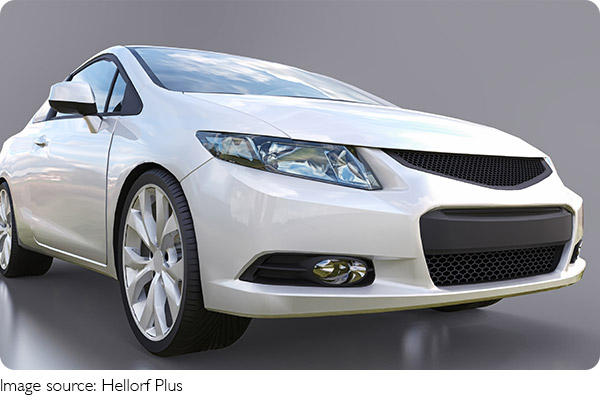
Protecting a low front bumper is mostly about awareness and consistency. Protective accessories can provide another layer of defense, while regular inspections help identify damage before it becomes more serious. With a little patience and better awareness of the road ahead, a low bumper can remain stylish without becoming a constant source of worry.