Rear Wing Control

Simone
| 09-09-2026
 · Automobile team
When we look at a sports car, the rear wing often stands out as one of its most recognizable features. It may look like a simple piece of styling, but its purpose goes far beyond appearance.
As we drive faster, airflow begins to influence how the car behaves, and the rear wing helps us manage that airflow. From improving stability to supporting cornering control, this component can make a noticeable difference in how confidently a sports car responds to the road.
Creating More Stability
One of the main jobs of a rear wing is to help keep the rear of the car stable. At higher speeds, air moves quickly around the body and can create forces that affect the vehicle's balance. Without careful aerodynamic design, the rear may feel lighter than expected.
A properly designed wing directs airflow in a way that creates downforce. This pushes the rear of the car toward the road, helping the tires maintain stronger contact with the surface. For us, that can translate into a more settled feeling when driving at speed.
Supporting Cornering Grip
Cornering is another area where a rear wing can be useful. When we turn at higher speeds, the tires need to manage several forces at the same time. Maintaining consistent contact with the road becomes especially important.
Additional downforce can increase the load placed on the rear tires. This can help them maintain grip while the car changes direction. The result is a vehicle that may feel more predictable through a bend, particularly when aerodynamic components have been carefully matched to the rest of the car.
Improving Aerodynamic Balance
A sports car is not designed around the rear wing alone. Engineers consider the entire shape of the vehicle, including the front end, underside, roof, and rear section. Every part affects how air moves around the car.
The rear wing therefore needs to work as part of a larger aerodynamic system. If the front and rear areas produce very different amounts of aerodynamic force, the car may become harder to control. A well-balanced design helps us enjoy smoother and more predictable handling.
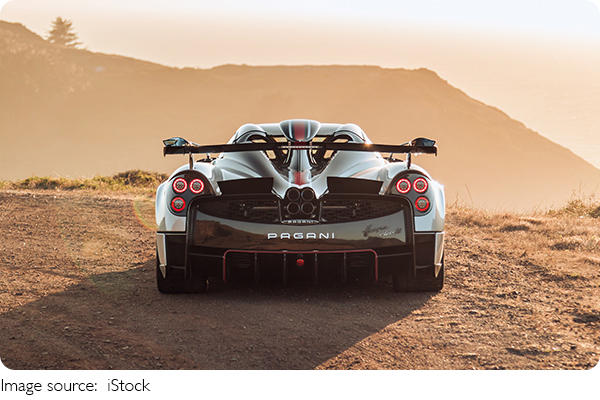
Managing Airflow
Airflow around a moving vehicle can become complicated. As air passes over and around the body, it can separate from the surface and create turbulence behind the car. This can increase resistance and affect efficiency.
The shape, height, width, and angle of a rear wing can influence how air leaves the vehicle. Designers carefully adjust these details to achieve the desired balance between stability and resistance. This is why two wings that look similar can behave quite differently on the road.
Downforce Comes With a Trade-Off
More aerodynamic force does not automatically mean better performance in every situation. A wing designed to create substantial downforce can also increase aerodynamic drag. This means the engine may need to work harder to maintain speed.
For everyday driving, a large wing may provide less practical benefit than its appearance suggests. Sports cars intended for performance driving, however, can make better use of carefully tuned aerodynamic parts because their design is focused on maintaining control at higher speeds.
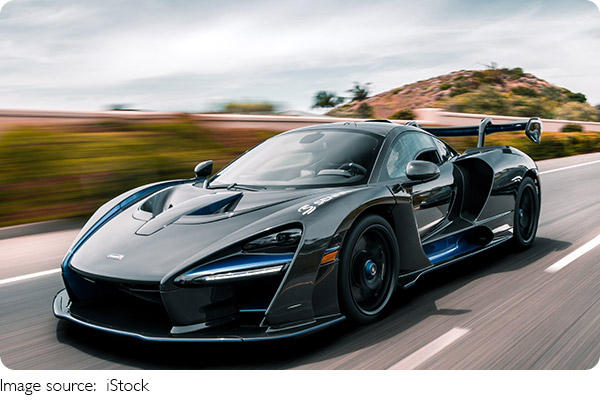
Why Wing Angle Matters
The angle of a rear wing can significantly influence its behavior. A different angle changes how air moves across the surface and can alter the amount of downforce and drag produced.
Some performance cars use adjustable wings that change position according to driving conditions. This allows the aerodynamic setup to support different priorities, such as stronger stability during cornering or lower resistance when traveling efficiently.
It Is More Than Styling
We may first notice a rear wing because it gives a sports car a distinctive appearance, but its engineering purpose is more important. A functional wing is designed around airflow, vehicle balance, tire grip, and driving behavior.
For Lykkers who enjoy sports cars, understanding this feature gives us another way to appreciate automotive design. The wing is not simply an ornament added to the rear. When properly engineered, it becomes part of the system that helps the car remain composed as speed increases.

Final Thoughts
A sports car's rear wing plays an important role in managing aerodynamic forces. By creating downforce, supporting rear-tire grip, and helping balance airflow, it can contribute to greater stability and more predictable handling.
The most effective design is not necessarily the biggest one. What matters is how well the wing works with the entire vehicle. Once we understand that relationship, we can see the rear wing differently, not just as a striking design feature, but as a carefully considered part of the car's performance system.
Why cars have spoilers | Animation✔
Video by TechTrixInfo