Sports Car Driving Feel

Sophie
| 09-09-2026
 · Automobile team
When we think of a sports car, speed is often the first characteristic that comes to mind. Yet its appeal is not defined by acceleration alone.
What makes a performance-focused vehicle distinctive is the way its major systems interact to create a cohesive driving experience.
Lykkers, from the first press of the accelerator to a precise steering input or controlled stop, every response contributes to how the car feels on the road.
Responsive Power Delivery
Engine performance is about more than maximum output. The character of a sports car also depends on how promptly and smoothly power is delivered when the driver presses the accelerator.
A responsive powertrain can make acceleration feel natural and predictable. Smooth delivery allows the driver to adjust speed progressively, whether pulling away from a stop or increasing pace on an open road.
Precise Steering
Steering provides the primary connection between the driver's inputs and the vehicle's direction. A well-developed system should respond consistently, allowing the driver to make accurate adjustments without excessive movement.
This precision becomes particularly noticeable on winding roads. Predictable steering behavior helps the vehicle follow the intended path while giving the driver a clearer understanding of its direction.
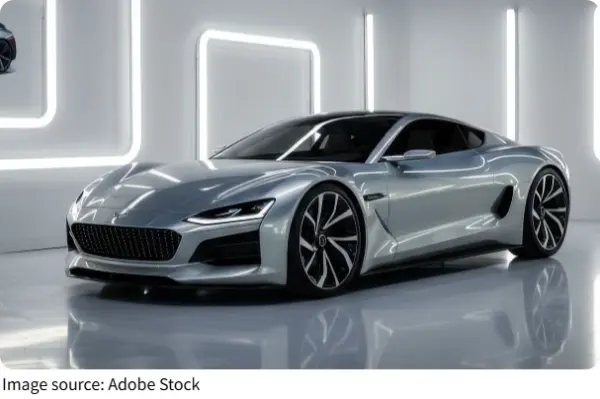
Composed Handling
A sports car must also manage changes in direction without becoming unsettled. Suspension, tires, weight distribution, chassis design, and electronic systems all influence how the vehicle behaves during acceleration, cornering, and deceleration.
When these elements are properly balanced, the car can remain composed through a turn and transition smoothly between different driving conditions. This creates a more predictable experience and reduces the need for unnecessary corrections.
Controlled Braking
Braking is an essential part of performance because managing speed is just as important as building it. Effective brakes should provide consistent stopping performance while offering a predictable pedal response.
Smooth modulation allows the driver to adjust speed accurately before a corner, in traffic, or when road conditions change. This makes braking an integral part of the car's overall driving character rather than simply a means of stopping.
The Importance of Balance
No individual component determines a sports car's character. The engine, steering, suspension, tires, and brakes must function as a coordinated system.
Strong acceleration has greater value when the vehicle can respond accurately to steering inputs. Precise direction changes become more effective when the chassis remains composed, while dependable braking allows speed to be managed with greater accuracy.
This integration is what separates a collection of capable components from a genuinely cohesive driving experience.
Beyond the Numbers
Performance figures can describe measurable characteristics such as acceleration, power, and braking capability, but they cannot fully communicate how a vehicle behaves from behind the wheel.
Two cars with comparable specifications may therefore deliver noticeably different experiences. Steering weight, power delivery, suspension response, and the relationship between the controls can all influence the driver's perception.
These details can be appreciated without aggressive driving. Even during everyday journeys, the quality of a vehicle's responses can reveal how carefully its systems have been developed.
Final Thoughts
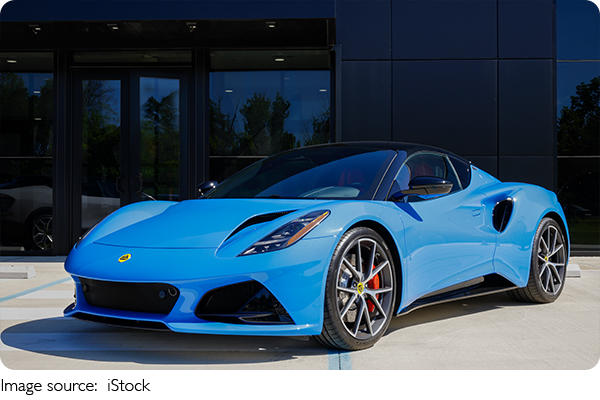
A sports car is more than a machine designed for speed. Its appeal comes from the coordination of power, steering, braking, suspension, and chassis behavior.
When these elements complement one another, the result is a vehicle that feels responsive, balanced, and intuitive. For us, that combination—not speed alone—is what gives a sports car its distinctive character and makes the driving experience genuinely engaging.