Retro Electric Dreams

Caleb Ryan
| 10-09-2026
 · Automobile team
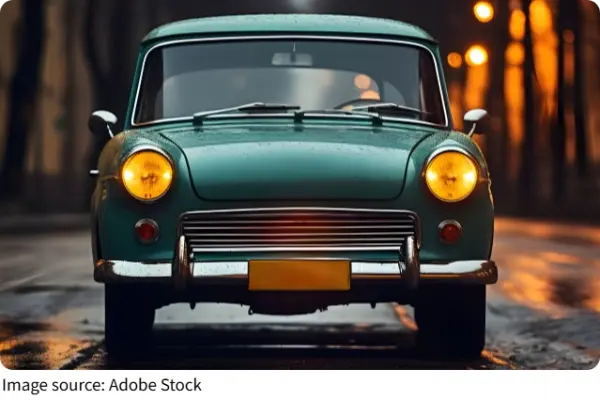
Hello, Lykkers! There is something timeless about a retro sedan. Its sleek lines, chrome details, and vintage charm turn heads wherever it goes.
But in an age where electric vehicles are becoming the norm, many classic car enthusiasts wonder: can these old beauties be converted to run on electricity? The answer is yes — and the trend is growing faster than you might think. Let us explore how retro sedans are getting a modern, eco-friendly makeover.
Why Convert a Retro Sedan to Electric?
Converting a classic car to electric power offers several compelling benefits. First, it gives an old vehicle a new lease on life, allowing it to meet modern emissions standards and reduce its environmental impact.
Second, electric conversions often improve performance, offering instant torque and a quieter, smoother ride. Third, it allows owners to keep driving their beloved classics in cities with strict emissions regulations. For many, it is a way to preserve automotive history while embracing the future.
The Conversion Process: How Does It Work?
Converting a retro sedan to electric is a complex but rewarding process. It typically involves removing the internal combustion engine, fuel tank, exhaust system, and radiator. These are replaced with an electric motor, a battery pack, a controller, and a cooling system. The motor is connected to the existing transmission or a direct-drive system. The battery pack is usually placed where the engine and fuel tank once sat, helping to maintain the car's original weight distribution and handling.
Challenges and Considerations
While the idea of an electric retro sedan is exciting, the conversion comes with challenges. The cost can be significant, ranging from tens of thousands to over a hundred thousand dollars, depending on the complexity and quality of the conversion. Finding a skilled specialist is also essential, as the work requires deep knowledge of both classic cars and electric powertrains. Additionally, the added weight of batteries can affect suspension and braking, requiring upgrades to ensure safety and performance.
Battery Range and Charging
One of the key considerations in any conversion is battery range. The range depends on the size and type of battery pack installed, as well as the car's weight and aerodynamics. Most retro electric conversions offer a range between 100 and 200 kilometres, making them ideal for city driving and weekend cruises rather than long road trips. Charging can be done using standard home outlets or dedicated charging stations, depending on the battery system used.
Preserving the Classic Character
For many owners, preserving the character of the original car is just as important as the conversion itself. Skilled converters carefully retain as many original features as possible. The dashboard, gauges, and interior trim are often kept intact, with modern EV gauges discreetly integrated. The exterior design remains untouched, so the car looks like a classic from the outside — even if it hums with electric silence under the hood.
The Growing Community of Electric Classic Cars
The movement to convert classic cars to electric power is growing worldwide. Enthusiast clubs, online forums, and specialist workshops have emerged to support this trend. Events like the London to Brighton EV Rally showcase converted classics, proving that vintage style and modern technology can coexist beautifully. As battery technology improves and costs decrease, the future of retro electric sedans looks increasingly bright.
Final Thoughts
Retro sedans in the electric age are a beautiful blend of past and future, Lykkers. Converting a classic car to electric power is not just about reducing emissions — it is about preserving automotive heritage and ensuring that these timeless designs continue to be enjoyed for generations to come. While the process is not cheap or simple, it is a labour of love for those who cherish vintage style. With the right expertise and a bit of passion, your dream of a silent, stylish classic sedan can become a reality.