How To Extend EV Battery?

Pardeep Singh
| 23-09-2026
 · Automobile team
Lykkers, getting better efficiency from a new energy vehicle does not require complicated driving techniques.
Small choices involving speed, climate control, vehicle load, and maintenance can all affect how much electricity the car uses during daily trips.
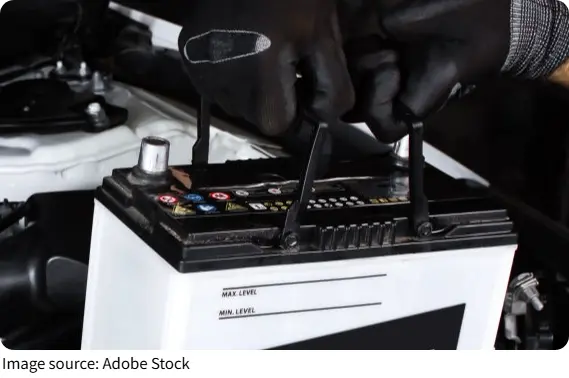
Use Climate Control Wisely
Heating and cooling can add noticeably to an electric vehicle’s energy demand, especially during long journeys. Instead of setting the climate system much higher or lower than necessary, choose a comfortable temperature and use the system steadily.
Before starting a trip, it can also help to prepare the cabin while the vehicle is connected to a charger if the car supports this function. This allows some of the energy used for initial heating or cooling to come from the charging supply rather than the battery.
During mild weather, natural ventilation may sometimes be enough. However, comfort and visibility should always come first. If windows become foggy or cabin conditions become uncomfortable, use the climate system as needed.
Keep Your Speed Steady
Driving smoothly is one of the most practical ways to improve efficiency. Frequent hard acceleration requires more energy, while repeated heavy braking wastes some of the energy already used to move the vehicle.
Try to look farther ahead and respond early to changes in traffic. Gradually increasing speed and leaving enough following distance can reduce unnecessary acceleration and braking. On roads where traffic conditions allow, maintaining a reasonably steady speed can also make energy use more consistent.
This does not mean driving unusually slowly. Following posted speed limits and adapting to road conditions remain the priorities. The goal is to avoid unnecessary changes in speed rather than simply reducing speed at all times.
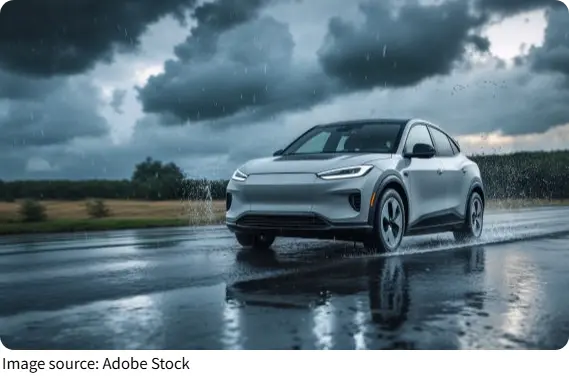
Make Regenerative Braking Work
Many electric vehicles use regenerative braking to recover some energy when the vehicle slows down. The exact system and available settings vary between models, so drivers should become familiar with the options provided by their vehicle.
If the car offers adjustable regenerative braking, choose a setting that feels comfortable and suits the road conditions. Stronger regeneration can help slow the vehicle when the driver lifts off the accelerator, while a lower setting may provide a more familiar driving feel.
The key is to use regeneration smoothly. It should support normal driving rather than encourage unnecessary speed changes. Drivers should still use the regular brake pedal whenever stronger or more immediate braking is required.
Reduce Unnecessary Weight
Extra weight means the vehicle needs more energy to accelerate. For this reason, regularly carrying heavy items that are not needed can reduce efficiency over time.
Take a few minutes to check the trunk and storage areas. Remove unused equipment, old supplies, and other heavy objects that have accumulated during previous trips. The difference may seem small on a single journey, but keeping the vehicle reasonably light is a simple long-term habit.
Roof-mounted equipment can also affect efficiency because it changes the vehicle’s airflow. When such equipment is not required, removing it may help reduce energy demand, depending on the vehicle and equipment design.
Check Tires and Vehicle Condition
Tire condition is another important part of efficient driving. Tires that are not maintained at the pressure recommended by the vehicle manufacturer can increase rolling resistance and may affect handling as well.
Check tire pressure regularly, particularly before longer journeys. Inspect the tires for unusual wear and have problems addressed promptly. Brake components should also be checked during routine maintenance, especially if the vehicle shows signs of unusual resistance or braking behavior.
Battery condition matters as well, but drivers should avoid attempting repairs or maintenance themselves unless the vehicle manufacturer specifically allows it. Follow the recommended maintenance schedule and pay attention to warning messages.
Use Electricity Selectively
Navigation, audio, lighting, charging accessories, and other electrical features all require energy, although their individual impact can vary considerably. There is no need to turn off essential systems simply to save a small amount of power.
Instead, focus on unnecessary equipment. If a feature is not being used, turning it off can prevent avoidable consumption. At the same time, safety-related functions and systems needed for clear visibility should always remain in use.
Saving electricity in an electric vehicle is mainly about building consistent habits rather than making one dramatic change. Smooth acceleration, sensible climate settings, appropriate regenerative braking, lower unnecessary weight, and regular vehicle checks can work together to improve everyday efficiency.