Preparing Your EV for Winter

Claire
| 11-09-2026
 · Automobile team
A major winter storm can turn a routine drive into a serious test of preparation, and electric vehicles have a few considerations that deserve extra attention.
Cold temperatures can affect battery performance, while snow, ice, traffic delays, and limited access to charging can make an unplanned journey more complicated.
Charge Before the Storm
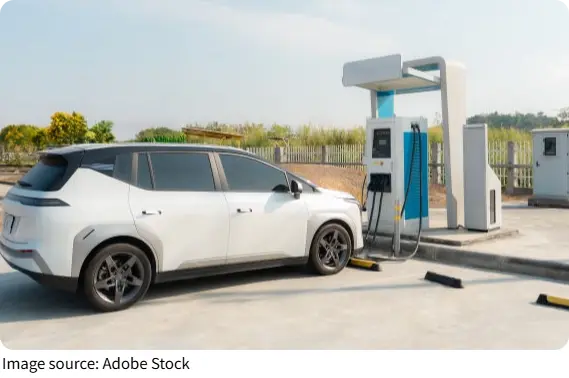
One of the simplest steps is to make sure the vehicle has plenty of charge before severe weather arrives. Waiting until the battery is nearly empty can create unnecessary pressure if roads become difficult or a charging station is unavailable.
A higher state of charge provides more flexibility for unexpected delays, detours, or longer travel times. Drivers should also consider their planned route and identify suitable charging options along the way if travel is necessary.
If possible, charging at home before the storm is particularly convenient. It allows the vehicle to start the trip with a useful energy reserve instead of relying entirely on public charging infrastructure.
Precondition While Plugged In
Cold weather can make an EV use more energy for heating the cabin and preparing the battery for driving. Many EVs offer a preconditioning function that allows the cabin and other systems to warm up before departure.
Using this feature while the vehicle is connected to a charger can help reduce the amount of battery energy needed for those tasks once the journey begins. It can also make the cabin more comfortable before leaving. The exact preconditioning process varies by vehicle, so drivers should become familiar with the feature before severe weather arrives rather than trying to figure it out during a storm.
Expect Reduced Driving Range
Cold conditions can reduce the distance an EV can travel on a full charge. The effect varies according to the vehicle, temperature, driving conditions, heating use, battery condition, and other factors.
Snow-covered roads can also increase energy consumption because the vehicle may need to work harder to move through difficult conditions. Heavy traffic and frequent stops can further extend travel time.
Check Tires and Visibility
Battery preparation is only one part of winter readiness. Tires deserve careful attention before a major storm. Check tire pressure because cold temperatures can affect it, and inspect the tread for signs of excessive wear.
Visibility is equally important. Make sure windshield washer fluid is suitable for cold conditions, wipers are working properly, and lights are clean and functioning. Remove snow and ice from the entire vehicle before driving rather than clearing only the windows.
Plan for Longer Travel Times
Winter storms can make even familiar routes unpredictable. Snow accumulation, icy surfaces, reduced visibility, and traffic congestion can all increase travel time. Before leaving, check the expected conditions and consider whether the trip is necessary. If driving is required, allow extra time and avoid relying on a schedule that leaves no room for delays.
Keep an Emergency Kit Ready
An EV should be prepared like any other vehicle for unexpected winter delays. A basic emergency kit can include warm clothing or blankets, water, a flashlight, a first-aid kit, reflective equipment, and supplies appropriate for the journey.
Keep the charging cable stored securely and make sure it is in good condition. Drivers who regularly travel through severe winter conditions should also keep the vehicle's roadside assistance information readily available.
Be Careful Around Snow and Ice
Electric vehicles can deliver strong acceleration, but that does not eliminate the limitations created by slippery roads. Smooth inputs are especially important on snow and ice. Avoid sudden acceleration, braking, or steering whenever possible. Drivers should also remember that regenerative braking can feel different on slippery surfaces depending on the vehicle and its settings.
Preparing an EV for a major winter storm is mostly about planning ahead. A well-prepared EV driver has more options when weather changes quickly, making winter travel more manageable and less stressful.