Front-End Protection Guide

Elise
| 11-09-2026
 · Automobile team
A car’s front end faces more exposure than many drivers realize. Road debris, loose gravel, insects, mud, and other small hazards can reach the grille and surrounding areas during normal driving.
While no protection system can prevent every type of damage, thoughtful front-end protection can help preserve vulnerable components and keep a vehicle looking its best. The key is choosing protection that fits the vehicle properly without interfering with airflow, sensors, lighting, or other important systems.

Why the Front End Matters
The front of a vehicle contains several important areas, including the grille, radiator opening, lower air intakes, and various sensors on newer models. These areas are designed to support cooling, airflow, and vehicle functions, but their position also leaves them exposed to objects encountered on the road.
Even small pieces of debris can cause cosmetic damage. Larger objects may create more significant problems, particularly when driving at higher speeds. Protecting vulnerable sections can therefore be a practical part of vehicle care.
Protection should complement the vehicle rather than compromise its normal operation. Any accessory placed around an intake or grille needs to be designed specifically for that location.
Common Front-End Protection Options
Several types of protection are available, and each serves a slightly different purpose. Grille guards and mesh inserts can cover open grille sections while maintaining airflow. Protective films can help shield painted surfaces from minor chips and marks.
Some vehicles can also use specialized grille screens or inserts designed around the original factory openings. These products may provide coverage while maintaining the vehicle's existing appearance.
The right option depends on what needs protection. A driver concerned mainly about painted surfaces may choose a surface-protection solution, while someone looking to shield an exposed grille may prefer a properly fitted mesh or grille insert.
Airflow Should Never Be Ignored
One of the most important considerations when adding front-end protection is airflow. Many vehicles rely on openings in the front fascia to direct air toward cooling systems.
A poorly designed or incorrectly installed cover can restrict those openings. That is why protection should be selected according to the specific vehicle rather than treated as a universal accessory. Check that the product leaves the necessary openings unobstructed and does not interfere with components behind the grille. Following the installation instructions is equally important.
Modern Cars Need Extra Attention
Newer vehicles may have cameras, parking sensors, radar equipment, or other technology positioned near the front bumper or grille. Adding an accessory over these areas without checking compatibility can affect how those systems operate.
Before installing anything, identify where the vehicle's sensors and cameras are located. Protection should not block their field of view or interfere with their operation. This is particularly important for vehicles equipped with driver-assistance features. If the vehicle manufacturer specifies limitations for accessories around sensors, those instructions should take priority.
Choose a Proper Fit
A secure fit is essential. Front-end protection that moves, rattles, or sits too close to surrounding components may create new problems instead of preventing them. Look for a product designed specifically for the vehicle's make, model, and year. Check the mounting points and make sure installation does not require unnecessary modification to the vehicle.
Keep Protection Clean
Installing protection does not eliminate the need for regular care. Mesh sections, grille inserts, and other covers can collect dirt and road debris over time. During routine vehicle washing, inspect the protective components and clean them carefully. Look for loose fasteners, damaged sections, corrosion, or anything that has shifted from its original position.
Protection Is Only One Part of Safe Driving
Front-end accessories can help protect vulnerable vehicle areas, but they should never be considered a replacement for attentive driving. Maintaining a sensible following distance, adjusting speed for road conditions, and watching for changing surfaces can reduce exposure to avoidable hazards. Regular vehicle inspections are equally valuable. Tires, lights, brakes, mirrors, and safety systems all contribute to confident driving and deserve attention alongside exterior protection.
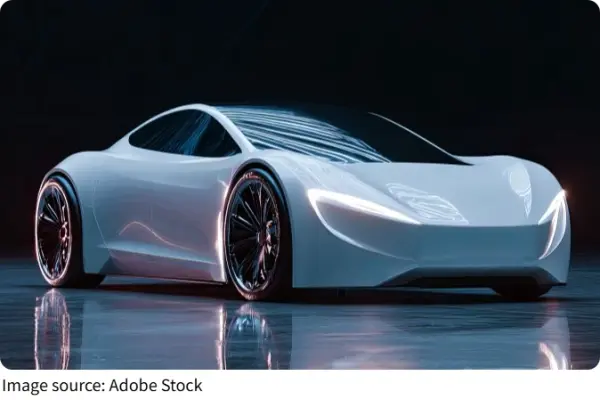
Front-end protection can be a useful addition when it is selected and installed thoughtfully. The most important factors are proper fit, sufficient airflow, compatibility with vehicle technology, secure mounting, and easy maintenance. Rather than choosing an accessory based only on appearance, consider what part of the vehicle needs protection and how the car is normally driven.