Charm of Round Headlights

Maya
| 11-09-2026
 · Automobile team
Rounded headlights are one of the easiest details to recognize on many classic cars. Long before sleek LED strips and sharply shaped lighting became common, circular lamps were a practical and familiar solution for illuminating the road.
Their simple shape eventually became closely associated with older vehicles, but the reason goes beyond nostalgia. Manufacturing methods, lighting technology, regulations, and vehicle design all helped make rounded headlights so common.
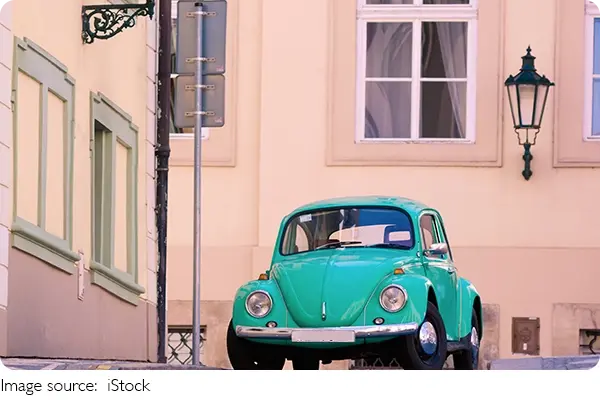
Simple Technology Shaped the Design
Early automotive headlights relied on relatively straightforward lighting components. Circular housings provided a practical way to package the bulb, reflector, and lens into a compact unit.
The round shape was also convenient for manufacturing. A standardized circular lamp could be produced separately and then fitted into different vehicle designs. This approach helped manufacturers create lighting systems without requiring a completely different lamp for every body shape. The simplicity of the circular format made it practical as well as recognizable.
Standardization Played a Major Role
As vehicle manufacturing developed, standardized headlight dimensions became increasingly useful. Manufacturers could design the front of a vehicle around established lighting components instead of creating completely unique lamps.
This helped keep production more straightforward and allowed replacement parts to be easier to source. The familiar circular headlight could therefore appear on vehicles with very different body styles. Standardization did not mean every classic car had exactly the same lighting arrangement. Some models used two headlights, while others featured four, with different positions and surrounding bezels.
Round Shapes Worked With Reflectors
Traditional headlights needed to direct light toward the road rather than simply producing illumination in every direction. A reflector behind the bulb helped control and distribute the available light.
The circular housing worked naturally with this arrangement. The bulb, reflector, and lens could be organized around a central axis, creating a compact lighting unit. This basic structure remained useful for many years, even as other parts of vehicle design became more sophisticated.
Designers Had More Freedom Later
One reason modern headlights look so different is that lighting technology changed. Advances in bulbs, reflectors, lenses, and eventually electronic lighting systems gave designers greater freedom over the shape and placement of headlights. Instead of relying on a large circular lamp, designers could create narrower or more complex forms that followed the contours of the vehicle.
Rounded Headlights Became a Style Feature
Although technology eventually offered alternatives, the circular headlight remained visually important. Its simple appearance became associated with particular periods of automotive design.
Classic cars often combine rounded headlights with curved fenders, chrome details, upright grilles, and relatively simple body lines. The headlights fit naturally into these designs because their shape echoed the softer forms used elsewhere.
For enthusiasts, this combination can create a strong sense of period character. Replacing original-style lighting with a completely different shape can noticeably change the appearance of a restoration.
They Were Practical for Different Vehicles
Circular headlights were not limited to one specific type of vehicle. Their compact, self-contained design made them suitable for cars with different dimensions and layouts. Some vehicles placed headlights directly into the front bodywork, while others used separate housings or surrounding trim. Four-headlight arrangements also became a recognizable feature on certain classic models.
Why They Still Look Appealing
There is something visually straightforward about a round headlight. The shape is easy to recognize and tends to complement the symmetrical front ends found on many older cars. Modern lighting can create highly distinctive designs, but classic circular lamps have their own appeal because they reveal more of the mechanical character of the vehicle. They look like functional components rather than hidden technology.

Classic cars have rounded headlights for a combination of practical and historical reasons. As lighting technology developed, manufacturers gained more freedom to create different shapes, but the round headlight remained an important visual symbol of classic automotive design. Its enduring appeal comes from the way simple function and distinctive styling came together in one recognizable feature.