Odense: Culture & History

Declan Kennedy
| 10-09-2026
 · Travel team
Odense, in Denmark, is a cultural destination where historic streets, museums, green spaces, and modern attractions come together in a compact and accessible city.
As the largest city on Funen, it also provides a convenient base for exploring castles, coastal towns, and other parts of the island.
Odense, Denmark
Explore the Historic Center
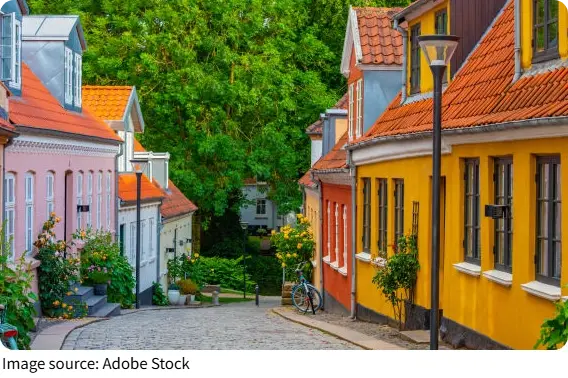
The heart of Odense is easy to explore on foot, with pedestrian streets, historic buildings, small squares, cafés, and attractive public spaces. Its compact character allows visitors to experience several highlights without spending much time in transit.
The historic streets reveal layers of the city's development, combining traditional architecture with contemporary cultural venues and everyday city life.
Discover the Museums
Odense has a varied museum scene covering history, art, transport, traditional life, and cultural heritage. Among its principal attractions are a major literary museum, the Danish Railway Museum, the Funen Village, and the TID City Museum.
The literary museum combines exhibitions, architecture, gardens, and interactive experiences. The Railway Museum explores the development of rail travel through locomotives, carriages, and historic railway environments. At the Funen Village, historic buildings, gardens, and demonstrations present aspects of traditional rural life.
Visit Egeskov Castle
Egeskov Castle is one of the most distinctive excursions from Odense. The Renaissance castle is set within extensive gardens and grounds containing exhibitions and outdoor attractions.
Admission is approximately $41 for visitors aged 13 and over and $25 for children aged 4–12, with children under four entering free. Prices can change, so checking the current admission information before visiting is advisable.
Located in Kværndrup outside Odense, the castle can be reached by public transport as well as by car. Allow several hours to explore the castle, gardens, exhibitions, and surrounding grounds.
Explore Art and Culture
Odense extends beyond historical attractions with galleries, exhibitions, creative spaces, cafés, and cultural venues. These provide a different perspective on the city and can add variety to a museum-focused itinerary.
The cultural districts are particularly suitable for a relaxed afternoon of exhibitions, architecture, cafés, and independent exploration.
How to Get to Odense
Odense has convenient rail, bus, and road connections within Denmark. Train travel is one of the easiest ways to reach the city, particularly from other major Danish destinations.
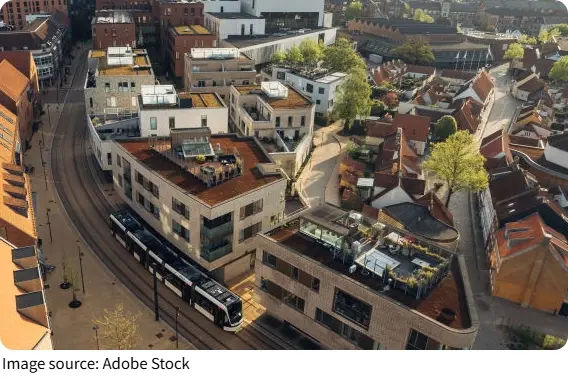
By car, the E20 motorway passes south of Odense. Visitors who prefer to leave their cars outside the central area can use Park & Ride facilities and continue by light rail.
Getting Around
Odense is compact and easy to explore on foot, particularly around the historic center and main cultural attractions.
For longer journeys, buses and light rail provide convenient public transport. A local single ticket costs about $4.30, while a city ticket for buses and light rail costs about $2.30 and is valid for 75 minutes.
Cycling is also a practical option, with extensive cycle paths, while bicycles can be carried free on the light rail when space is available.
For trips to Egeskov Castle or Kerteminde, check current routes, timetables, and fares before traveling.
Accommodation
Odense offers a broad range of places to stay, including central hotels, smaller properties, apartments, and accommodation near green areas.
The city center and the area around the railway station are particularly convenient for first-time visitors. They provide easy access to museums, historic streets, restaurants, shops, and public transport.
A comfortable mid-range stay generally costs around $90–$160 per night, while higher-category accommodation can reach $170 or more, depending on availability and demand.
Local Food
Odense has a diverse dining scene, from traditional cafés and bakeries to casual restaurants and refined dining rooms.
Local specialties include fresh fish, seasonal vegetables, pastries, rye bread, dairy products, and traditional desserts. A casual meal generally costs around $12–$25, while a more substantial restaurant meal can cost approximately $25–$50 or more.
For a relaxed culinary experience, explore the cafés during the day and choose a centrally located restaurant for an evening meal.
Take a Day Trip to Kerteminde
Kerteminde offers a coastal contrast to Odense, with a harbor, waterfront scenery, cafés, and a relaxed seaside atmosphere.
Public transport connects the two destinations, although journey times and fares depend on the service. Checking the current timetable before departure is recommended.
A visit can focus on the harbor, waterfront, local dining, and coastal scenery, making Kerteminde an easy complement to a culture-focused stay in Odense.
Best Time to Visit
Odense is suitable for travel throughout the year. Spring and summer are ideal for combining museums with gardens, walking, and outdoor attractions. Autumn brings seasonal scenery and a calmer atmosphere, while winter is particularly suited to museums, cafés, and indoor cultural activities.
Egeskov Castle follows a seasonal opening schedule, so check its current calendar before planning an excursion.
Final Thoughts
Odense offers a well-balanced combination of history, culture, architecture, food, and easy access to the wider island of Funen. Its compact center makes independent exploration straightforward, while Egeskov Castle and Kerteminde provide worthwhile excursions beyond the city.
For a rewarding visit, combine the historic center, selected museums, local dining, and time to explore at an unhurried pace. This approach captures the character of Odense while leaving room to discover the surrounding region.