Stockholm: City of Isles

Luca
| 10-09-2026
 · Travel team
Stockholm, Sweden, is a city defined by its islands, waterways, historic architecture, and vibrant cultural scene.
Where Lake Mälaren meets the Baltic Sea, medieval streets sit alongside museums, public art, green spaces, and modern neighbourhoods.
Its compact central districts make it possible to experience several sides of the city within a single trip.
Stockholm, Sweden
Gamla Stan
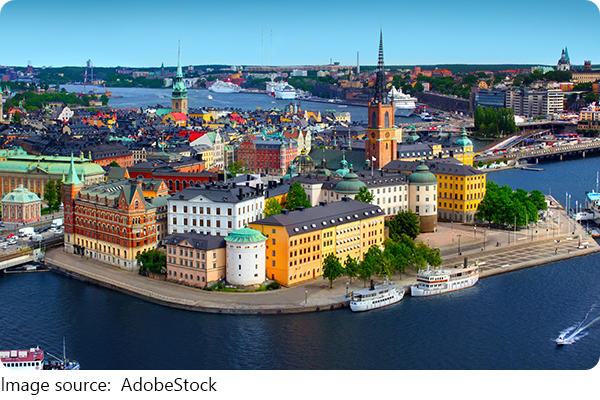
Gamla Stan is Stockholm’s historic heart, known for cobblestone streets, colourful façades, intimate squares, and narrow passages. Stortorget forms the centre of the district, surrounded by historic buildings and distinctive architecture.
The Royal Palace is a major attraction, while the surrounding lanes reveal cafés, small shops, and architectural details that make the old town especially rewarding to explore.
Stockholm City Hall
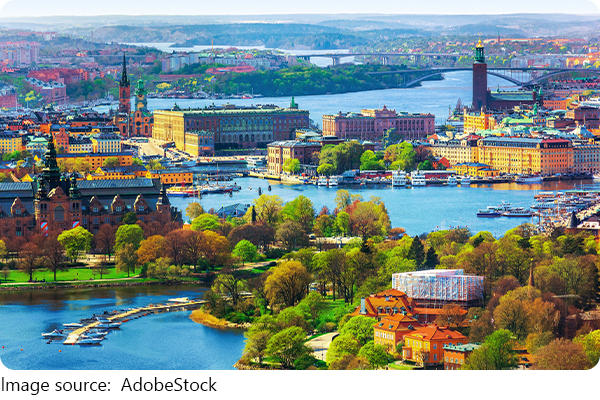
Set beside Lake Mälaren, Stockholm City Hall is one of the capital’s most recognisable landmarks. Its red-brick architecture and prominent tower have made it a defining feature of the cityscape since its completion in 1923.
Guided tours provide access to the building’s principal halls and explain its architectural character and history. Standard admission is approximately $16, with discounted tickets available for eligible visitors.
The 106-meter City Hall Tower also offers panoramic views when open to visitors, with admission of approximately $10.
Underground Art
Stockholm’s metro adds an unusual cultural experience to the city’s transport network. About 100 stations contain artistic installations, ranging from murals and sculptures to large-scale designs integrated into the station environment.
Kungsträdgården, T-Centralen, and Stadion are among the most distinctive stops. Exploring several stations provides an easy way to experience Stockholm’s public art while travelling between other attractions.
Vasa Museum
The Vasa Museum on Djurgården centres on a remarkably preserved seventeenth-century ship. The vessel sank during its maiden voyage in 1628 and was recovered centuries later.
Exhibitions examine the ship, its construction, preservation, and the historical environment surrounding its voyage. The museum provides a detailed perspective on maritime history and historic craftsmanship.
Admission is approximately $25, with free entry for visitors aged 18 and under.
How to Get There
Stockholm is served by air, rail, road, and long-distance bus. Stockholm Central Station is the principal railway hub, linking the city with regional and national services as well as the metro.
From Stockholm Arlanda Airport, travellers can use the high-speed airport train, airport coaches, commuter trains, or taxis. The high-speed train takes about 18 minutes to reach central Stockholm, while airport coaches generally take around 35–45 minutes.
For travel within the city, the network includes metro, buses, trams, commuter trains, and commuter ferry services. A standard 75-minute ticket costs approximately $5. A 24-hour pass costs around $19, a 72-hour pass about $38, and a seven-day pass approximately $49.
Exploring the Islands
Stockholm’s geography gives each central district a distinct character. Djurgården combines major museums with extensive green spaces, Södermalm is known for elevated views across the city, and Kungsholmen offers scenic routes along the water near City Hall.
Ferries and bridges provide convenient connections between several districts, while the waterways create constantly changing perspectives of Stockholm’s architecture and skyline.
Accommodation
Stockholm offers accommodation across a wide range of price levels. Lower-priced rooms can start at around $90 per night, while higher-end properties can exceed $300, depending on location, demand, and room type.
For convenient sightseeing, Gamla Stan, Norrmalm, Södermalm, and Kungsholmen provide strong bases, with attractions, restaurants, and transport connections nearby.
Local Food
Stockholm’s dining scene ranges from traditional cafés and bakeries to casual restaurants and more refined dining rooms.
A coffee with a baked item generally costs around $7–$10, while a casual meal is often $15–$25. A mid-range dinner can cost approximately $30–$60 per person.
Travellers who combine groceries with café visits and casual meals can plan around $25–$45 per person per day, depending on their choices.
A Capital Connected by Water
Stockholm brings together historic architecture, distinctive museums, public art, green spaces, and island neighbourhoods within an easily navigable capital. Gamla Stan reveals its historic character, City Hall defines the waterfront skyline, the metro transforms everyday travel into a cultural experience, and Djurgården adds museums and open landscapes.
The result is a city where sightseeing feels naturally connected rather than divided into separate attractions—making Stockholm especially appealing for travellers who want culture, history, and scenery within one compact urban experience.