Mastering Winding Roads!

Antonio
| 10-09-2026
 · Automobile team
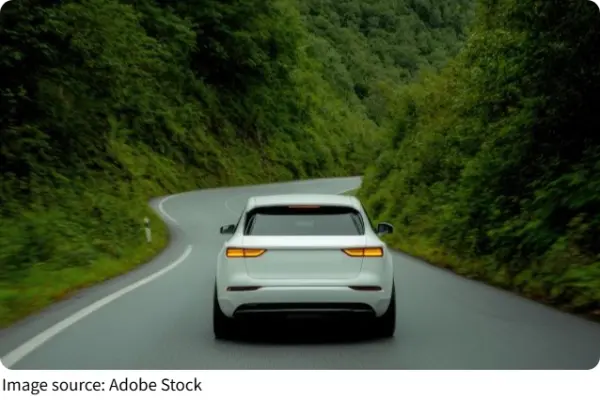
Winding roads can make driving a classic car especially enjoyable, but they also require a thoughtful approach. Older vehicles often have different steering, braking, suspension, and transmission characteristics compared with modern cars.
Some may have heavier controls, less assistance, or narrower tires. The key is not to drive aggressively, but to understand how the car responds and give yourself enough time to manage every corner smoothly.
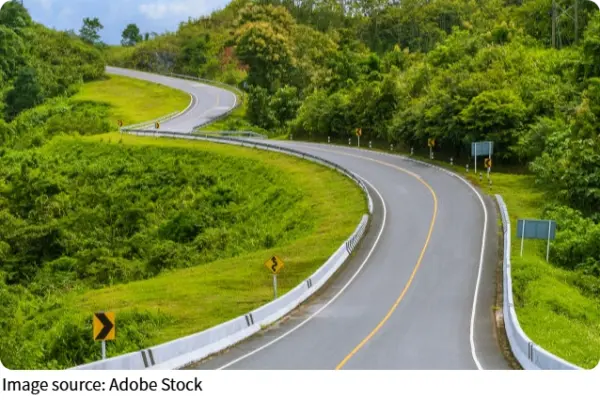
Know the Car Before the Drive
Before taking a classic car onto winding roads, become familiar with its controls and responses on quieter roads. Pay attention to how quickly the car accelerates, how much steering input it needs, and how the brakes respond.
Older cars can vary considerably from one model to another. Some have manual steering, while others may use older braking systems or suspension designs that feel different from what many drivers are accustomed to. Knowing what the car feels like before reaching the first series of bends makes the drive more predictable.
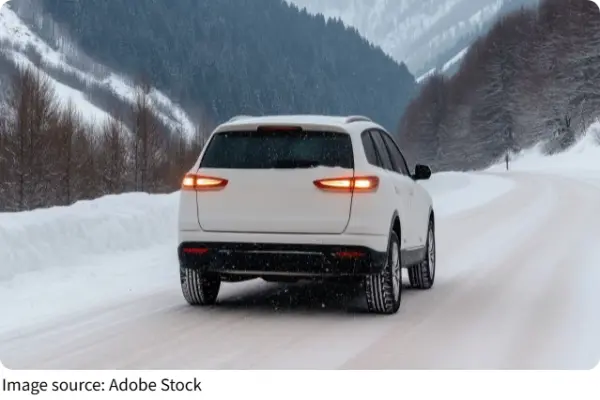
Reduce Speed Before the Corner
One of the most useful habits on a winding road is to slow down before entering a bend. Approaching a corner at a manageable speed gives the driver more time to respond to changes in the road.
Avoid carrying unnecessary speed into a turn and then relying heavily on the brakes while cornering. Instead, complete most of the braking while the vehicle is traveling straight. This approach can make the car feel more settled and leaves more room to respond if the road tightens unexpectedly.
Look Through the Corner
Your eyes play an important role when navigating winding roads. Rather than focusing only on the section of pavement immediately in front of the vehicle, look as far through the corner as visibility allows. This helps you understand how the road develops and gives you more time to anticipate the next steering input.
Stay within your lane and remain prepared for changes in the road. Blind bends require particular caution because the surface, traffic, or road layout beyond the visible area cannot be predicted with certainty.
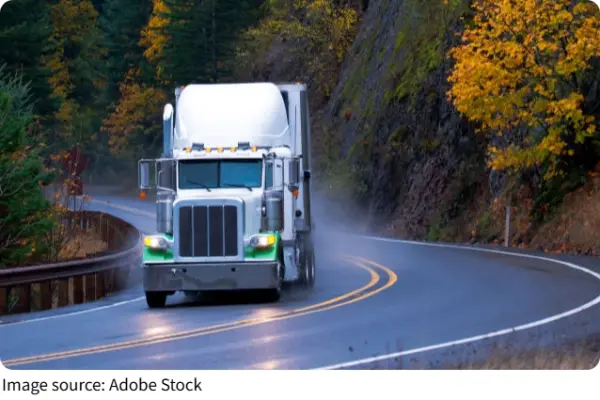
Use Smooth Steering
Classic cars generally respond best to deliberate and smooth steering. Avoid making sudden movements unless an unexpected situation requires immediate action. Turn the steering wheel progressively and allow the vehicle to follow the intended line. If the car feels unsettled, reduce speed rather than trying to correct the situation with rapid steering movements.
Older steering systems may also have more play than modern systems. Getting accustomed to this characteristic before tackling winding roads can help the driver make more precise inputs.
Choose the Right Gear
Manual transmissions require additional planning on winding roads. Selecting an appropriate gear before entering a corner can help maintain better control and reduce the need for unnecessary gear changes while steering. If the car has an automatic transmission, understand how it responds to changes in speed and road gradient.
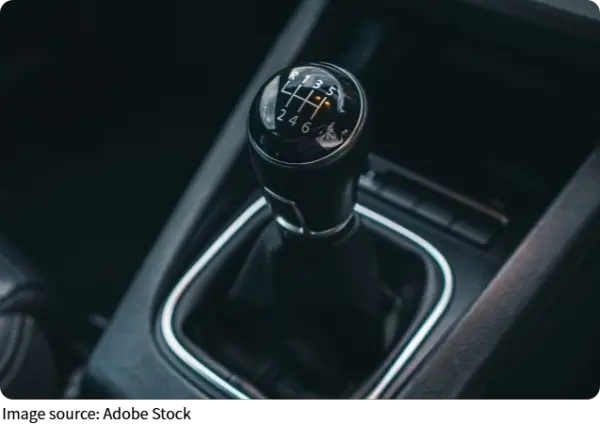
Be Gentle With the Brakes
Braking technique matters because classic cars may not have the same braking assistance or technology found in newer vehicles. Apply the brakes progressively and give yourself plenty of distance. If the road descends through a series of bends, avoid building speed simply because the vehicle is rolling downhill. Use an appropriate gear where suitable and maintain a speed that remains comfortable.
Respect Road and Weather Conditions
A winding road can become significantly more challenging when wet, dirty, or covered with loose material. Reduced traction means that steering, braking, and acceleration need to be even smoother. Check the weather and road conditions before setting out, particularly if the route is unfamiliar. Give yourself additional space and avoid rushing simply to maintain a planned pace.
Driving a classic car on winding roads is less about speed and more about rhythm, awareness, and understanding the vehicle. Slow down before corners, look ahead, steer smoothly, select suitable gears, and leave plenty of room for unexpected changes.
Most importantly, respect the age and characteristics of the car. A relaxed driving style allows the classic to do what it was designed to do while giving the driver more time to enjoy the road and the experience behind the wheel.