7 Winter Hazards to Know

Eleanor
| 10-09-2026
 · Automobile team
Winter can transform an ordinary drive into a much more demanding experience. Snow, ice, freezing temperatures, reduced visibility, and changing road surfaces can affect both the vehicle and the driver.
The safest approach is to prepare before leaving, adjust driving habits to the conditions, and recognize hazards before they become difficult situations.
1. Snow-Covered Roads
Snow can make roads slippery and reduce the amount of traction available between the tires and pavement. It can also make lane markings and road edges harder to see. Reduce speed when roads are covered with snow and leave more space between your vehicle and the one ahead. This gives you additional time to respond if traffic slows or the vehicle begins to lose traction.
Avoid sudden steering, acceleration, or braking whenever possible. Smooth inputs help maintain better control on slippery surfaces. If conditions become severe, consider delaying a nonessential journey until the roads improve.

2. Hidden Ice and Slippery Patches
Ice can be particularly difficult because it may not always be obvious. Shaded sections, bridges, elevated road surfaces, and areas where moisture has frozen can become slippery even when the surrounding pavement appears clear. Watch for changes in road appearance and approach potentially icy areas carefully. Maintain a reduced speed and avoid sudden steering or braking.
3. Poor Visibility
Snowfall, sleet, fog, and road spray can make it difficult to see traffic, signs, and changes in the road ahead. Dirty or snow-covered lights can make the situation even worse. Before driving, clear snow and ice from the windows, mirrors, lights, and other important areas.
Check that the windshield wipers and defrosters work properly, and keep the washer-fluid reservoir filled with suitable winter fluid where appropriate.
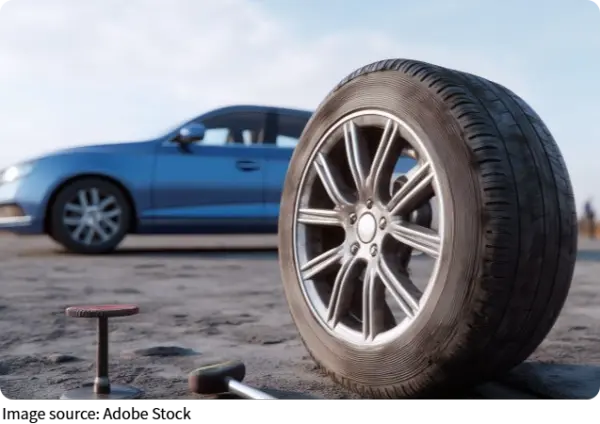
4. Reduced Tire Performance
Cold temperatures can reduce tire pressure, which makes regular tire checks especially important during winter. Check the pressure when the tires are cold and follow the vehicle manufacturer's recommended inflation pressure rather than the maximum pressure printed on the tire.
Inspect the tread and sidewalls for cracks, cuts, bulges, or other damage. Tire condition matters because tread provides the grip needed on wet, snowy, and icy roads. In areas that regularly experience severe winter conditions, tires specifically designed for winter use may provide advantages over general-purpose options.
5. Cold-Weather Battery Problems
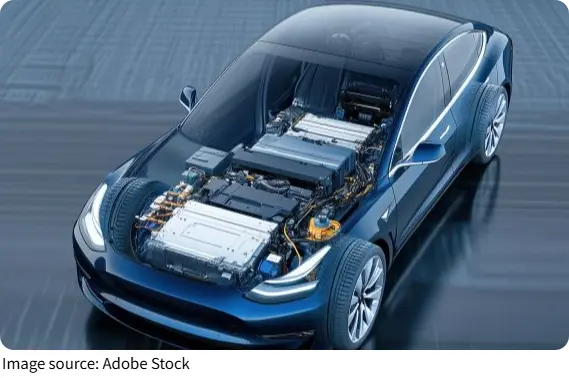
Cold temperatures can reduce battery performance, making starting more difficult for vehicles with conventional engines. Before winter driving becomes routine, have the battery and charging system checked if there are signs of weakness.
Also make sure the vehicle's lights, electrical systems, and other essential components are working correctly. If the vehicle struggles to start, avoid repeatedly attempting to start it without understanding the cause. A battery or charging-system inspection can help identify potential problems before they become inconvenient during a trip.
6. Snow Plows and Snow Clouds
Snow-removal vehicles require extra space because they move slowly, can make wide turns, and may operate across several parts of the road. Do not follow one closely or drive alongside it unnecessarily.
Snow thrown from a plow can temporarily reduce visibility and hide other vehicles or road hazards. If traveling behind a plow, leave plenty of space and avoid entering areas where visibility suddenly disappears.
7. Getting Stuck or Stranded
Winter conditions can change quickly, so carrying basic emergency supplies is sensible. A flashlight, ice scraper, jumper cables, warning equipment, blankets, and suitable tools can be useful if a vehicle becomes stranded. Before a longer winter trip, check weather, traffic, and road conditions. If conditions are poor, postponing nonessential travel may be the safest option.
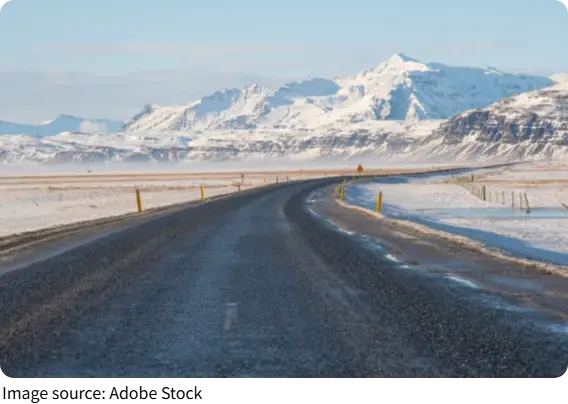
Winter driving becomes more manageable when preparation and patience become part of the routine. Snow, ice, poor visibility, tire issues, battery problems, snow-removal equipment, and unexpected delays all require drivers to adapt. A well-maintained vehicle helps, but careful decisions behind the wheel matter just as much.
Slowing down, increasing following distance, checking conditions before departure, and recognizing when a journey should be postponed can make winter travel considerably safer.