Sportbike Riding Skills

Vivienne
| 11-09-2026
 · Automobile team
Sportbikes are built for responsive handling, which makes precise rider input especially important.
For beginners, the priority should be developing consistent control before exploring the motorcycle's higher performance capabilities.
Effective riding comes from coordinating throttle, brakes, steering, body position, and road awareness. When these elements work together, the motorcycle becomes easier to manage and everyday riding feels more natural.
Establish Control Before Increasing Speed
A strong foundation begins with basic motorcycle control. Become comfortable with starting, stopping, shifting, steering, and changing speed before gradually increasing your riding pace.
Choose a speed that leaves enough time to observe the road and respond to changing conditions. As your technique develops, you can become more comfortable with the motorcycle's acceleration, handling, and braking characteristics.
Progress should follow skill, not the other way around.
Develop Precise Throttle Control
The throttle should be operated smoothly and progressively. Sudden acceleration can produce a sharp change in motorcycle response, while abruptly closing the throttle can also affect its balance.
Use measured inputs and maintain steady power when appropriate. During a corner, avoid unnecessary throttle changes and increase acceleration progressively as you approach the exit.
Precise throttle control creates smoother transitions and makes the motorcycle more predictable.
Brake Before the Corner
Effective braking begins with anticipation. Look well ahead to identify corners, intersections, traffic changes, and other situations that require a reduction in speed.
Whenever practical, complete most of your braking before entering a corner. This allows you to approach the turn at a suitable speed and concentrate on steering and road position.
Progressive braking also produces a smoother transition from straight-line riding to cornering.
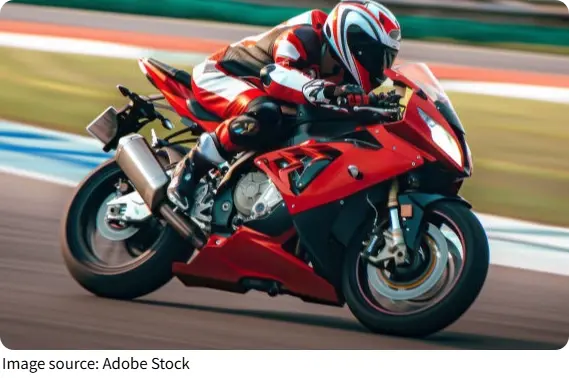
Control Corner Entry
A suitable entry speed gives you more time and flexibility throughout a turn. Before reaching the corner, assess its shape, surface, visibility, and surrounding conditions.
Reduce speed as needed, choose an appropriate path, and look toward the direction you want to travel. Avoid focusing only on the pavement immediately ahead of the motorcycle.
Once the motorcycle is established through the turn, maintain smooth steering and progressively apply power as the road opens.
Maintain a Balanced Riding Position
Sportbikes commonly have a forward-oriented riding position. New riders may compensate by gripping the handlebars too firmly or placing excessive weight through their arms.
Instead, maintain a stable posture with a relaxed grip and comfortable upper body. Support yourself naturally with the motorcycle's seating position and maintain smooth, deliberate steering inputs.
A balanced position improves both control and comfort, particularly during longer rides.
Scan the Road Surface
Good riders continually assess the surface ahead. Wet pavement, painted markings, loose material, uneven sections, and other changes can influence available traction and handling.
Identify these features early and adjust your speed and control inputs accordingly. A measured approach gives you more flexibility when road conditions change.
Surface awareness is particularly valuable before and during corners, where smooth control is essential.
Wear Proper Protective Gear
Protective equipment should be part of every ride. A properly fitted helmet, protective jacket, gloves, suitable riding pants, and motorcycle-specific footwear provide important protection while allowing the rider to operate the controls effectively.
Choose equipment that fits securely and permits comfortable movement. Making gear preparation routine helps establish a consistent riding practice.
Focus on Precision and Awareness
Good sportbike riding is built on observation, timing, and controlled inputs. Rather than concentrating on maximum performance, develop the ability to recognize changing conditions and respond smoothly.
With practice, braking, shifting, steering, throttle control, and positioning become more coordinated. This allows the rider to work with the motorcycle instead of making abrupt corrections.
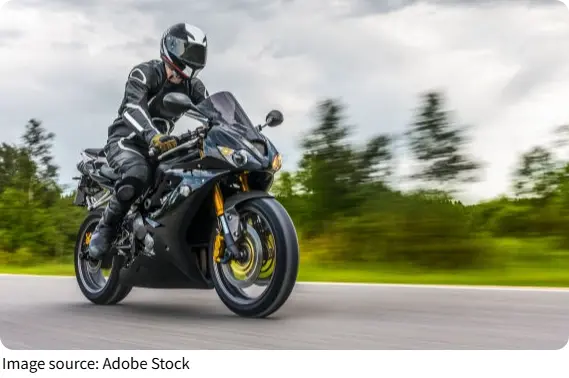
Strong sportbike technique comes from disciplined control rather than simply increasing speed. Smooth throttle operation, planned braking, appropriate corner entry, balanced posture, careful road scanning, and suitable protective gear provide a solid foundation for everyday riding.
Develop these skills progressively, and the motorcycle becomes easier to understand, easier to control, and more enjoyable to ride with confidence.