Supercars Enter a New Era

Lucas Schneider
| 14-09-2026
 · Automobile team
Modern supercars are no longer defined only by powerful engines, dramatic styling, and incredible acceleration. Technology has become an equally important part of the driving experience.
From adaptive aerodynamics to intelligent suspension and electric assistance, today's supercars combine mechanical engineering with sophisticated electronic systems to deliver performance that is faster, smoother, and easier to control.
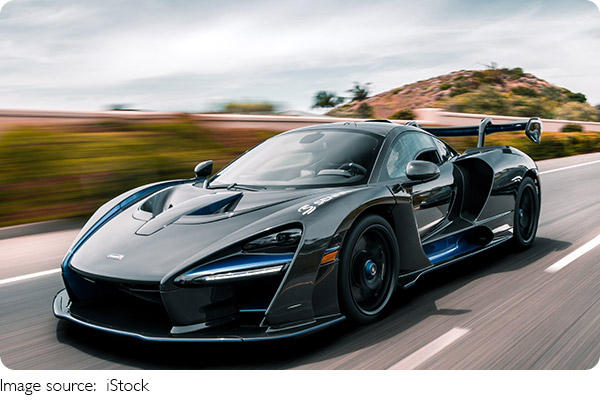
Smarter Power Delivery
The engine remains central to the supercar experience, but modern technology has made power delivery more controlled. Electronic engine management can adjust how the engine responds to throttle inputs and changing driving conditions.
Turbocharged engines can also provide strong performance across a wider range of engine speeds. Instead of simply producing more power, engineers can focus on making that power easier to manage.
Some modern supercars also use electric motors alongside combustion engines. Electric assistance can provide additional response during acceleration while helping create smoother power delivery.
Adaptive Aerodynamics
Aerodynamics has moved far beyond fixed wings and simple body shapes. Modern supercars can use carefully designed vents, channels, spoilers, and other aerodynamic features to manage airflow around the vehicle.
Some models feature active aerodynamic components that can change position depending on driving conditions. These systems can help balance stability and resistance at different speeds. This explains why many modern supercars have complicated-looking bodywork. What appears to be styling often has a practical purpose, helping the vehicle remain stable and efficient.
More Advanced Suspension
A supercar needs to handle corners confidently without becoming uncomfortable on ordinary roads. Modern suspension technology helps achieve this balance. Electronic suspension systems can adjust damping according to road conditions and driving modes. The car can remain relatively comfortable during everyday driving and become more controlled when greater performance is needed.
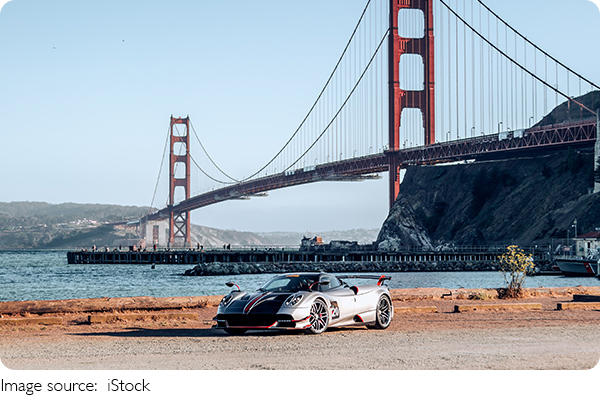
Improved Steering and Handling
Technology has also transformed the way supercars respond to steering inputs. Electronic systems can work with traction and stability controls to help the car remain predictable when road conditions change.
Some supercars use four-wheel steering. The rear wheels can turn slightly in response to the vehicle's speed and driving situation. At lower speeds, this can make the car easier to maneuver, while at higher speeds it can help improve stability during direction changes. These systems operate quietly in the background but can make a noticeable difference behind the wheel.
Braking With Better Control
Stopping a high-performance car requires more than powerful brakes. Modern braking systems use electronic controls to manage braking force and maintain stability. Advanced brake materials can also provide consistent performance during demanding driving. Meanwhile, electronic stability systems can respond when grip changes between individual wheels.
Software Shapes the Experience
Software has become one of the most important parts of a modern supercar. Computers can manage power delivery, suspension behavior, traction control, braking assistance, and driving modes. A driver can select different settings to change how the car feels. One mode may prioritize comfort, while another can provide sharper responses when conditions are appropriate.
Lightweight Materials
Modern technology also helps manufacturers reduce weight. Lightweight materials and advanced manufacturing methods can create strong components without adding unnecessary mass. Lower weight can improve several areas at once, including acceleration, braking, steering response, and efficiency. It also helps a supercar feel more agile when changing direction.
Technology is redefining the modern supercar by making performance more controlled, adaptable, and usable. Smarter engines, active aerodynamics, advanced suspension, electronic controls, and lightweight construction all contribute to the experience.
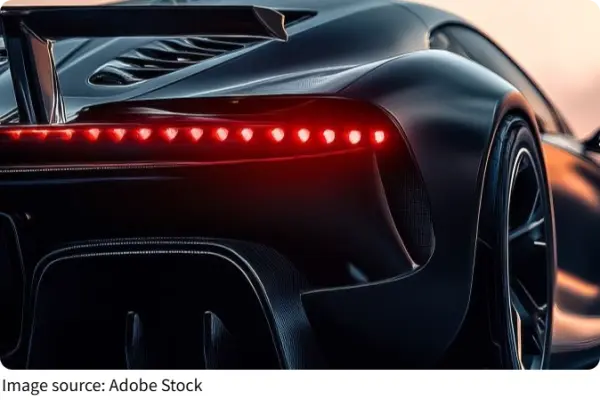
The result is a new generation of supercars that can deliver extraordinary performance while remaining easier to control and more practical for everyday driving. Technology has not removed the personality of these cars; instead, it has given engineers more ways to refine and enhance it.