Sassongher Is Calling!

Priya
| 24-09-2026
 · Travel team
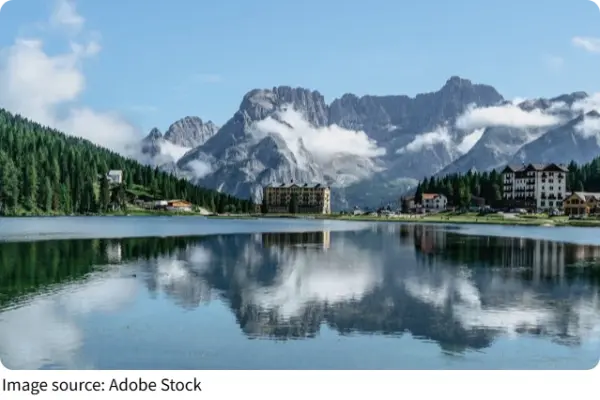
Friends, few mountains define the landscape around Corvara as strongly as Sassongher. Rising to 2,665 meters, this distinctive Dolomite peak towers above Corvara and Colfosco and offers wide views across some of the most dramatic scenery in Alta Badia.
Reaching the summit requires proper mountain experience, but the journey is rewarding for hikers prepared for steep and exposed sections.
How to Reach Sassongher
The most popular starting point is Colfosco, a village just north of Corvara. Travelers arriving by public transport can take a regional bus toward Colfosco and get off near the Col Pradat area. South Tyrol's Mobilcard is another practical option for visitors using several buses and trains, with 2026 prices of about $26 for one day, $38 for three days, or $61 for seven days, based on current published fares.
From Colfosco, hikers can walk toward the Col Pradat cable car station. A one-way costs about $11, while a return ticket is approximately $17.
Sassongher
The Hiking Route
Using the lift reduces the initial climb and places hikers near the Col Pradat mountain hut at roughly 2,020 meters. From there, the route follows trails toward the Sassongher saddle before continuing uphill to the summit. The official Alta Badia route from Colfosco to Sassongher and onward toward La Villa covers about 12.2 km, with more than 1,000 meters of ascent and around 6.5 hours of walking.
A shorter out-and-back version from Col Pradat is also possible and generally takes around five hours depending on the route and pace. Near the Forcella Sassongher, the terrain becomes more demanding. The final section includes steep rocky ground and short sections protected by metal cables. Hikers need sure footing and should be comfortable with heights.
What to See Along the Way
The climb is not only about reaching the summit. Lower sections pass through forest and alpine meadows before the landscape becomes increasingly rocky. From higher ground, views open toward the Sella Group, Puez-Odle peaks, Fanes, Tofana, and Marmolada. At the summit, the panorama extends across several major Dolomite groups, making the final climb worthwhile for photographers and experienced hikers.
Entrance Fees and Hiking Costs
There is no entrance fee for hiking Sassongher. The main optional expense is the Col Pradat lift. Guided mountain trips cost more and depend on the guide, group size, and itinerary. Budget around $10 to $20 for a simple meal or snack at a mountain hut, while meals in Corvara or Colfosco commonly cost approximately $15 to $30. Carry water and food as backup because mountain hut schedules can change with weather and season.
Where to Stay
Corvara and Colfosco are the most convenient bases. Budget guesthouses can start at approximately $70 to $100 per person per night, while comfortable hotels may range from $100 to $220 or more, particularly during peak summer weeks. Current 2026 accommodation rates show substantial seasonal differences, so September and early summer can offer more moderate prices than August.
Best Time to Visit
The best hiking period is generally summer through early autumn, when the higher trails are normally accessible and the lift system is operating. June can still bring unsettled mountain conditions, while July and August offer longer hiking days but more visitors. September often provides pleasant conditions and quieter trails.
Hiking Tips for Sassongher
Wear sturdy hiking shoes, carry sufficient water, bring a waterproof layer, and pack sun protection even on cooler days. Trekking poles can be useful during the descent, while hikers uncomfortable with exposed terrain should consider a qualified mountain guide. Do not underestimate the final section simply because the route is marked. Conditions can change quickly at high altitude.
Sassongher combines a challenging mountain walk with some of the finest views around Corvara. The free trail access keeps the basic hike affordable, while the Col Pradat lift provides an option for reducing the initial climb. Would you take the shorter lift-assisted route or challenge yourself with the longer ascent from the valley?