Lofoten Adventures Await
Santosh Jha
| 24-09-2026
 · Travel team
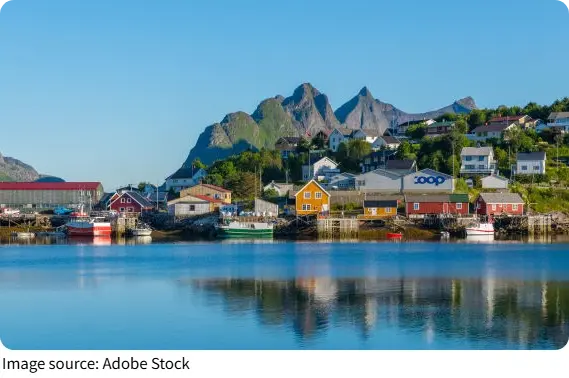
Friends, the Lofoten Islands are the kind of destination where the journey between two villages can feel like an attraction itself. Jagged mountains rise directly from the sea, colorful fishing settlements line sheltered harbors, and quiet beaches appear around unexpected corners.
With good planning, visitors can combine outdoor adventures, scenic drives, local culture, and relaxed days by the water.
Best Time to Visit
June through August is ideal for hiking, kayaking, road trips, and long outdoor days. September and October bring autumn scenery and darker evenings, while February and March can offer good winter landscapes and Northern Lights opportunities. Weather can change quickly throughout the year, so flexible plans are especially valuable.
Hike to Reinebringen
Reinebringen is one of Lofoten's best-known viewpoints, overlooking Reine and the surrounding fjords. The climb uses a long stone staircase and becomes steep in places, so sturdy shoes are important. There is no entrance fee. Allow around 1.5 to 3 hours for the hike, depending on pace and time spent at the viewpoint. Snow and ice can make the route considerably more difficult outside summer.
Explore Reine and Hamnøy
Reine and nearby Hamnøy are ideal for a slower afternoon. Walk along the waterfront, photograph the traditional red cabins, and watch fishing boats move through the surrounding channels. There is no general admission charge for exploring the villages. Travelers arriving by rental car should expect roughly $60 to $150 per day for a vehicle, depending on season and availability.
Relax at Kvalvika Beach
Kvalvika is one of Lofoten's most memorable beaches, surrounded by steep mountains and open sea. Reaching it requires a hike, but the trail is manageable for travelers with reasonable fitness and suitable footwear. Access is free, and the hike normally takes several hours including the return journey. There are no shops or facilities directly on the beach, so bring water, food, and suitable clothing.
Visit Haukland Beach
Haukland Beach combines pale sand and clear water with dramatic mountain scenery. It is easy to reach by road, making it a convenient stop for travelers exploring the northern part of Vestvågøya. There is no general entrance fee. Swimming is possible during warmer weather, although the sea remains cold. A short coastal walk can also be added to the visit.
Lofoten
Try Kayaking Around the Islands
Lofoten's sheltered waters provide excellent opportunities for kayaking. Guided trips allow visitors to explore narrow channels, small islands, and coastal scenery without needing advanced navigation skills. Half-day guided kayaking experiences generally cost around $80 to $150 per person, while longer excursions can cost more. Most operators provide kayaks, paddles, safety equipment, and basic instruction.
Experience the Fishing Heritage
Fishing has shaped life in Lofoten for generations. Visitors can learn more by exploring old fishing villages, waterfront areas, and local museums. Museum admission varies, but many small attractions charge around $8 to $15. Opening hours are often seasonal, with longer schedules during summer.
Watch for the Northern Lights
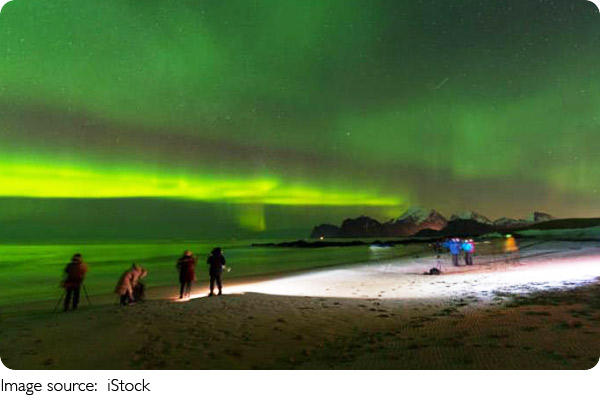
From roughly September through March, Lofoten becomes a popular destination for Northern Lights viewing. Clear skies and low light pollution create good conditions, although sightings can never be guaranteed. Free viewing is possible from beaches, viewpoints, and areas away from strong artificial lighting. Guided Northern Lights tours generally cost around $90 to $180 per person and may include transportation.
The Lofoten Islands reward travelers who leave room for spontaneous stops between the major attractions. From mountain hikes and beaches to kayaking, fishing villages, scenic roads, and winter skies, there is plenty to fill an itinerary without rushing. Which experience would you put first on a Lofoten trip?