How To Protect Your Bumper

Camille Dubois
| 23-09-2026
 · Automobile team
Parking lots can be unpredictable. A tight space, a careless door, a shopping cart, or a small misjudgment while reversing can leave marks on a bumper that was perfectly clean moments earlier.
While some parking damage is difficult to avoid completely, a few practical habits can reduce the risk and help keep the car looking well cared for.
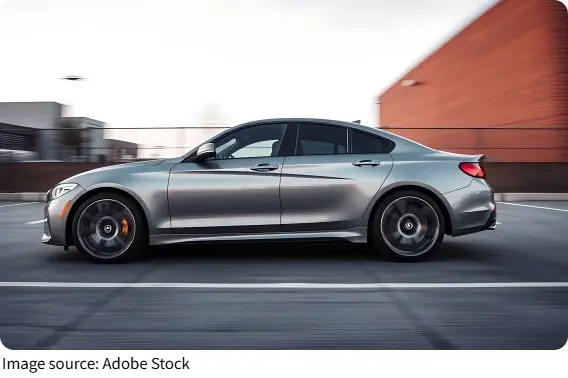
Choose Parking Spaces Carefully
One of the easiest ways to protect a bumper is to think about the space before pulling in. Whenever possible, choose a spot with enough room around the vehicle rather than squeezing into a narrow space.
Spaces at the end of a row can sometimes provide additional room on one side, while areas away from busy entrances may have less vehicle movement.
Look for low curbs, concrete barriers, poles, and other objects that could be difficult to see from the driver's seat. Taking an extra moment to inspect the space can be much easier than dealing with a scratch or dent later.
Use Your Mirrors and Camera
Modern vehicles often provide useful parking aids, including rear cameras, parking sensors, and side mirrors. These features can help identify objects that may be difficult to see directly.
However, they should support careful driving rather than replace it. Check the mirrors, camera display, and surroundings before moving. When reversing, move slowly enough to stop immediately if something appears unexpectedly.
Pay particular attention to low objects. A curb or short barrier may sit below the main viewing area and could make contact with the lower portion of the bumper.
Keep a Safe Distance From Curbs
Curbs are among the common hazards during everyday parking. Moving too close can result in scratches, scuffs, or damage to the lower bumper area.
When approaching a curb, reduce speed and leave a little extra space. If the vehicle has parking sensors, use their warnings as an additional guide. It is better to stop slightly farther away than to keep moving simply to make the parking position look more precise. This habit becomes especially useful in unfamiliar parking areas where curb heights and layouts can vary.
Be Careful in Tight Parking Lots
Busy parking areas require extra attention because vehicles, pedestrians, carts, and other obstacles can appear from several directions. Avoid rushing simply because another driver is waiting.
When turning into a narrow space, consider how the front and rear corners of the vehicle will move. A bumper can be damaged even when the center of the car appears to have plenty of clearance.
If a space feels unusually tight, choosing another spot may be the simplest solution. A few extra steps are usually preferable to forcing the vehicle into a difficult position.
Consider Protective Accessories
Drivers who frequently park in crowded areas can consider practical protective equipment. A properly fitted bumper protector can provide an additional layer against minor contact during loading, unloading, or parking.
For vehicles regularly exposed to busy environments, protective film may also be an option. The important point is to choose a product designed specifically for the vehicle and install it correctly. Poorly fitted accessories can interfere with sensors, cameras, or the appearance of the bumper.
Inspect the Bumper Regularly
Small marks are easier to address when they are noticed early. After parking in a busy area, take a quick look around the bumper when convenient. Check for new scratches, loose sections, unusual gaps, or marks that were not present before. A simple inspection can also help identify recurring problems with a particular parking location or driving habit.
Practice Slow, Controlled Parking
Good parking technique is one of the most effective forms of bumper protection. Slow down before entering a tight space, make smooth steering adjustments, and avoid sudden movements. If visibility becomes uncertain, stop and reassess the surroundings instead of guessing. There is no advantage in completing a parking maneuver quickly if it increases the chance of contact.
Protecting a bumper does not always require expensive equipment or complicated techniques. Choosing suitable parking spaces, maintaining clearance from curbs, using available parking aids, and moving slowly can make a meaningful difference.
With consistent habits, everyday parking can become much easier on both the vehicle and the driver's peace of mind.