Avoid Overheating Issues

Rafael
| 21-09-2026
 · Automobile team
An older car can remain dependable for many years when its cooling system receives regular attention. As components age, however, worn hoses, low coolant levels, clogged passages, or a tired cooling fan can make it harder for the engine to maintain a safe operating temperature.
Knowing what to check and recognizing early warning signs can help prevent an overheating problem from becoming a major repair.
Check the Coolant Regularly
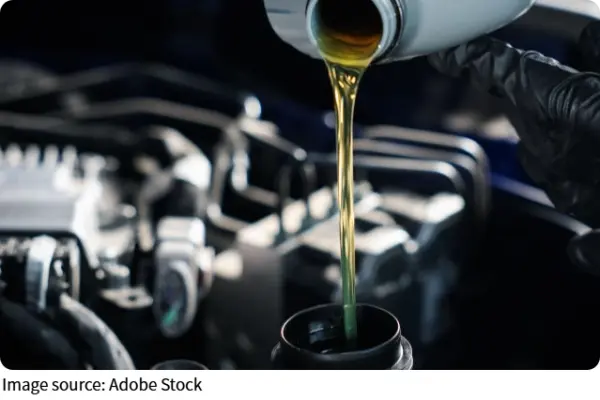
Coolant plays an important role in carrying heat away from the engine. An older car should have its coolant level checked according to the manufacturer's recommendations, particularly before longer trips or during periods of heavy use.
Always check the coolant reservoir when the engine is cool. The level should normally sit between the markings shown on the reservoir. If it repeatedly drops, there may be a leak or another issue that needs attention. Do not open a hot cooling system. Pressurized coolant can cause serious burns. Allow the engine to cool completely before checking or adding coolant.
Inspect Hoses and Connections
Rubber hoses in the cooling system become less reliable as they age. Heat cycles and normal wear can cause them to become cracked, swollen, soft, or unusually hard.
During routine maintenance, inspect accessible hoses and their connections for signs of deterioration or leakage. Pay attention to damp areas or dried residue around connections, as these can indicate that coolant has been escaping.
Keep the Radiator in Good Condition
The radiator helps release heat from the coolant as air passes through it. Dirt and debris can restrict airflow through the radiator, reducing its ability to remove heat efficiently. Keep the area around the radiator reasonably clean and make sure nothing is blocking the airflow. If the radiator contains significant buildup or shows signs of corrosion, professional inspection may be appropriate.
The radiator cap also matters because the cooling system depends on maintaining the correct pressure. If the cap is damaged or no longer seals properly, it can affect cooling-system performance.
Pay Attention to the Cooling Fan
The cooling fan helps move air through the radiator, especially when the car is stationary or moving slowly. A problem with the fan, its motor, wiring, relay, or related controls can contribute to rising engine temperatures. If the temperature begins increasing while the vehicle is idling or sitting in traffic, the cooling fan should be one of the areas checked.
Because fan systems can vary between vehicles, follow the manufacturer's service information rather than attempting electrical repairs without the appropriate knowledge.
Monitor the Temperature Gauge
The dashboard temperature gauge is an important early-warning tool. Become familiar with where the gauge normally sits during regular driving. If the reading suddenly moves higher than usual, do not ignore it. A rising temperature can indicate a developing cooling-system problem.
Other warning signs may include steam, unusual smells, reduced engine performance, or warning lights. If the temperature continues climbing, find a safe place to stop and switch off the engine. Continuing to drive an overheating car can cause serious engine damage.
Maintain the Cooling System
Older cars benefit from following the manufacturer's recommended maintenance schedule. Cooling-system service can include coolant replacement, inspection of hoses and belts, checking the radiator, and examining other related components. Using the correct coolant type is also important.
Different vehicles can require different coolant specifications, so check the owner's manual or appropriate vehicle documentation before adding or replacing coolant.
Don't Ignore Small Leaks
A small coolant leak may seem harmless when the vehicle continues to operate normally, but it can gradually lower the coolant level. Eventually, the cooling system may no longer be able to manage engine heat effectively. Look for unusual puddles or damp areas after parking.
The exact appearance of a leak can vary depending on the fluid and the location of the problem, so unexplained fluid loss should be investigated.
Preventing overheating in an older car is largely about consistent maintenance and paying attention to changes. Checking coolant levels, inspecting hoses, keeping the radiator clear, monitoring the temperature gauge, and addressing leaks promptly can help the cooling system work properly.
Most importantly, never ignore signs of rising engine temperature. A few careful checks can help protect an older engine and keep everyday driving more dependable.