Ways to Thank a Teacher!

Antonio
| 24-09-2026
 · Travel team
Teachers contribute far beyond lessons, homework, and examinations, often helping students build confidence, curiosity, and useful skills.
A sincere thank-you can recognize the patience, preparation, encouragement, and dedication that teachers bring to the classroom. The gesture does not need to be expensive because personal and thoughtful appreciation can often create the most lasting impression.
1. Write a Specific Note and Share a Real Memory
A handwritten note is one of the simplest ways to express genuine appreciation. Instead of writing a general message, mention a particular lesson, conversation, project, or classroom moment that remains memorable.
A note could describe how a teacher patiently explained a difficult subject or encouraged greater confidence during a presentation. Specific details make the message feel sincere because they show that the teacher's efforts were noticed. A few carefully chosen sentences can be enough. A personal message about a meaningful classroom experience may become a keepsake that the teacher continues to value.
2. Create a Memory Book and Celebrate Classroom Moments
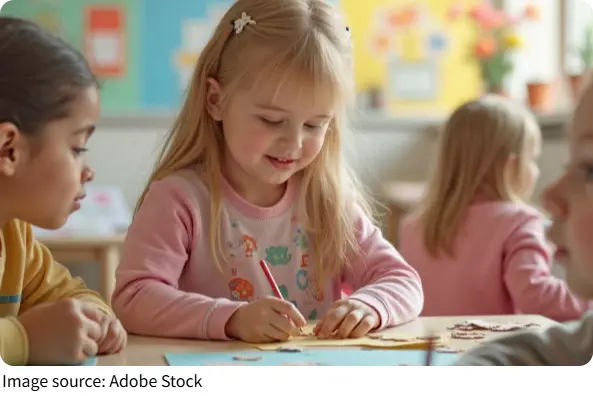
A small memory book can bring together drawings, photographs, short messages, or favorite memories from the school year. Each contribution can focus on one classroom experience that made learning enjoyable or meaningful. For younger students, drawings accompanied by simple messages can create a warm keepsake.
Older students can write short reflections about lessons, activities, or advice that made a lasting impression. The book does not need elaborate decoration. Personal memories and sincere messages are what give this type of gift its meaning.
3. Explain How the Teacher Made a Difference
One of the most meaningful forms of appreciation is explaining a specific change connected to a teacher's guidance. A message might describe how encouragement led to greater confidence in speaking, how extra explanations made a difficult subject easier to understand, or how a particular assignment sparked interest in a new topic.
This type of thank-you goes beyond saying that a teacher worked hard. It shows the result of that effort and provides a clearer picture of the positive influence created inside the classroom.
4. Offer a Practical Gesture That Supports the Classroom
Depending on school policies, a practical gesture can also show appreciation. Families or classes might contribute approved books, art materials, stationery, or other classroom supplies that are genuinely useful. The most thoughtful choice is something appropriate for the teacher's environment rather than an expensive item selected without considering practical needs.
School guidelines should also be respected when organizing group gifts or collections. A simple, useful contribution can communicate appreciation without creating unnecessary pressure or inconvenience.
5. Recognize the Teacher's Professional Contribution
Appreciation can also be shared with appropriate school leadership. A short message describing a teacher's patience, creativity, communication, organization, or commitment can provide meaningful recognition. Specific examples make the message stronger. Mentioning a teacher's extra effort with a challenging lesson or ability to make students feel comfortable asking questions gives school leaders a clearer understanding of that teacher's contribution.
6. Make Appreciation Part of Everyday School Life
Teacher appreciation does not need to happen only during a special celebration. Small gestures throughout the school year can communicate respect more consistently. A brief thank-you after an especially helpful lesson, a message recognizing extra preparation, or a sincere acknowledgment of useful advice can make appreciation part of everyday classroom culture.
Consistency can make these gestures especially meaningful. Rather than waiting for one particular occasion, appreciation can be expressed whenever a teacher's effort genuinely stands out.
There are many ways to thank a teacher without spending much money or organizing an elaborate celebration. A personal note, memory book, meaningful reflection, practical classroom contribution, professional recognition, or simple everyday acknowledgment can all communicate sincere appreciation. A thoughtful thank-you recognizes an important part of teaching: the influence created in the classroom can continue long after a particular lesson or school year has ended.