Sundarban Travel Guide

Sofia Alvarez
| 22-09-2026
 · Travel team
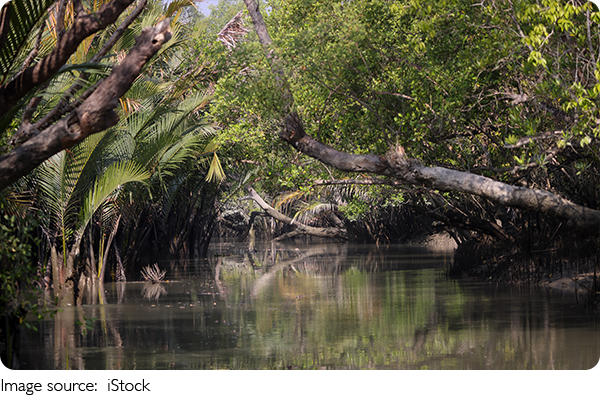
The Sundarban in India is a remarkable destination in West Bengal, where vast mangrove forests, tidal waterways, islands, and diverse wildlife create a distinctive natural setting.
Sundarbans National Park is a UNESCO World Heritage Site, recognized for its exceptional mangrove ecosystem and biological diversity.
The region offers a slower style of travel centered on boat excursions, wildlife observation, birdwatching, photography, and scenic exploration. With its waterways and forest landscapes, the Sundarban is an appealing destination for visitors seeking an immersive outdoor experience.
Sundarbans National Park
Best Time to Visit the Sundarban
The period from November to March is generally considered a comfortable time to explore the Sundarban. Cooler temperatures make boat trips and outdoor activities more pleasant, particularly during the daytime.
Travelers should check current weather conditions, transportation schedules, boat availability, and local entry requirements before departure.
How to Get to the Sundarban
Kolkata is a common starting point for journeys to the Indian Sundarban. From Kolkata, travelers can travel to Canning, continue by road toward Godkhali, and then board a boat to reach the waterways of the region.
By Road
Private cars, taxis, and shared vehicles can be arranged from Kolkata toward Godkhali. A private transfer may cost approximately $20–$50 per vehicle, depending on the vehicle type, distance, and travel arrangements.
By Train
A train journey from Kolkata to Canning can be followed by local transportation toward Godkhali. Travelers can budget approximately $1–$3 per person for basic train and local transportation, although actual fares may vary.
By Tour Package
Organized tours can combine transportation, accommodation, meals, boat excursions, and local arrangements in one itinerary. Prices depend on the duration, group size, accommodation standard, and services included.
Multi-day shared packages may start at approximately $40–$100 per person, while more comprehensive or higher-comfort packages can cost more.

Where to Stay
Accommodation around the Sundarban includes homestays, guesthouses, eco-friendly properties, and resorts.
Budget accommodation may cost approximately $20–$40 per night, while more comfortable options can range from $40–$100 or more per night.
Rates vary according to the season, room type, occupancy, and included facilities. Before booking, confirm whether meals, transportation, and boat excursions are included.
Local Food
Food in the Sundarban region commonly includes rice, lentils, vegetables, seasonal produce, and fresh fish, reflecting the culinary traditions of West Bengal.
A simple local meal can cost approximately $2–$6 per person. Some accommodations and tour packages include meals as part of the overall price.
For visitors staying in more remote areas, accommodation with meal service can provide a convenient dining arrangement.
Things to Do in the Sundarban
Cruise Through the Mangrove Waterways
Boat excursions are central to exploring the Sundarban. Traveling through tidal channels provides views of mangrove forests, islands, narrow waterways, and surrounding habitats.
The changing scenery also creates excellent opportunities for landscape photography.
Observe Wildlife
The Sundarban is internationally known for its Royal Bengal Tigers and supports many other species, including spotted deer, crocodiles, monkeys, and numerous birds.
Wildlife observation should take place from designated boats and viewing areas while following applicable local regulations.
Go Birdwatching
The region is home to a wide variety of birds, making it an attractive destination for birdwatchers and photographers.
Visitors may encounter kingfishers, herons, egrets, and other water-associated species along the waterways and wetlands. Morning excursions can provide particularly enjoyable birdwatching conditions.
Explore Viewing Areas
Designated viewing areas and watchtowers offer elevated perspectives across the surrounding forest and waterways.
These locations provide additional opportunities to appreciate the landscape and capture photographs from different viewpoints.
Experience the Mangrove Landscape
The Sundarban’s scenery changes continuously with the movement of the tides and the changing light. Dense vegetation, open water, tidal channels, and islands create a distinctive setting for nature photography and sightseeing.
Travel Tips
- Arrange accommodation and boat services in advance, especially during the November-to-March travel period.
- Wear lightweight, breathable clothing suitable for warm and humid conditions.
- Bring insect protection, sunscreen, sunglasses, and a hat.
- Carry sufficient drinking water for longer boat journeys.
- Pack binoculars for birdwatching and wildlife observation.
- Use protective covers or waterproof bags for cameras and electronic equipment.
- Follow all applicable forest, entry, and boating regulations.
- Dispose of waste responsibly and help preserve the surrounding environment.
- Choose responsible tourism services that respect the local ecosystem.
Experience the Sundarban
The Sundarban in India offers a distinctive journey through an extraordinary mangrove environment. Its combination of boat travel, wildlife, birdwatching, scenic landscapes, and regional cuisine creates a travel experience centered on nature rather than conventional sightseeing.
With transportation, accommodation, meals, and boat arrangements planned in advance, visitors can enjoy a comfortable and well-organized journey through one of India’s most remarkable natural destinations.