Hverir Geothermal Guide

Luca
| 24-09-2026
 · Travel team
Hverir is one of those Icelandic landscapes that can make a short stop feel surprisingly memorable.
Located beside Námafjall in North Iceland, the geothermal field is filled with steaming vents, bubbling mud pools, colorful mineral deposits, and ground shaped by intense heat beneath the surface.
Best Time to Visit
Summer offers long daylight hours, easier driving conditions, and more comfortable opportunities for exploring the surrounding area. June through August is particularly convenient for combining Hverir with other attractions around Mývatn. Autumn and winter bring a completely different atmosphere. Snow can contrast dramatically with the steaming ground, and darker skies provide opportunities to see the Northern Lights. Winter visitors should allow extra time for changing road and weather conditions.
How to Get to Hverir
Hverir sits directly beside Iceland's Route 1, about 6 km east of Reykjahlíð near Lake Mývatn. Driving is the easiest option because the attraction is part of many North Iceland road trips. From Akureyri, the journey takes roughly 90 minutes by car, while travelers coming from Reykjavík should expect a much longer drive of around six hours.
A rental car generally costs about $60 to $150 per day, depending on the vehicle, season, and rental period. Winter travelers should choose a vehicle appropriate for changing road conditions and check the road situation before leaving. Public transportation is more limited. Strætó Route 56 connects Akureyri, Reykjahlíð, and Egilsstaðir, but it does not provide the same convenient access to Hverir itself. Travelers without a car can instead consider an organized Mývatn sightseeing tour from Akureyri.
Entrance Fee and Parking
There is no separate entrance fee for the geothermal area. However, parking is currently charged at approximately $10 to $11 per car, based on a fee of around 1,400 Icelandic króna. Payment can be made through the designated parking system. The parking area provides the main access point to the geothermal field. The exact parking charge can change, so check the payment information on arrival.
Hverir
What to See
The main attraction is the collection of active geothermal features spread across the barren landscape. Steam rises from fumaroles, while mud pools bubble continuously in shades of gray, brown, orange, and yellow. The ground can reach extremely high temperatures, with some geothermal features exceeding 200°C. Visitors must stay on marked paths and behind barriers. The surrounding terrain may look firm, but areas outside the designated route can be dangerously hot.
What to Bring
Wear sturdy shoes because the walking surfaces can be uneven and muddy. A waterproof outer layer is useful because weather can change quickly around Mývatn. Bring water and snacks, particularly if Hverir is part of a longer sightseeing day. Stay upwind when possible because geothermal gases can create a strong smell and may irritate sensitive visitors.
Food and Accommodation
Hverir itself has limited facilities, so Reykjahlíð is a practical place to stop for food and supplies. A casual meal in the Mývatn area generally costs around $15 to $25, while a restaurant meal can reach approximately $25 to $45 per person. Accommodation around Lake Mývatn ranges from simple guesthouses at roughly $80 to $140 per night to comfortable hotels and cabins costing around $140 to $250 or more during busy periods. Booking early is particularly useful during summer.
Nearby Attractions
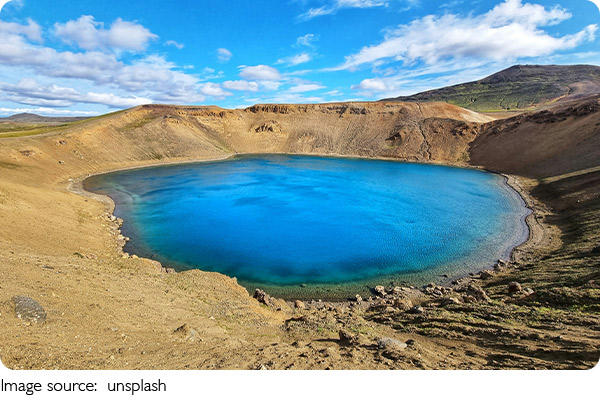
Hverir works well as part of a wider Mývatn itinerary. The Krafla area is nearby, with volcanic landscapes, the Víti crater, and the steaming Leirhnjúkur lava fields. Reykjahlíð also provides access to other attractions around the lake.
Hverir is a short stop with a surprisingly powerful atmosphere. Between rising steam, bubbling mud, colorful earth, and rugged volcanic scenery, every few steps offers something different to see. If Iceland's raw landscapes are on your list, would you make Hverir a quick photo stop or give yourself extra time to experience the area?