Simple Canoe Safety Tips

Elise
| 23-09-2026
 · Sport team
Canoeing can be a relaxing way to spend time outdoors, but calm-looking water can change quickly. Wind, waves, cold temperatures, boat traffic, and unexpected changes in weather can all affect a trip.
Good preparation helps paddlers handle these situations with greater confidence. Whether you're heading out for a short paddle or planning a longer journey, a few simple safety habits can make a major difference.
Wear a Proper Life Jacket
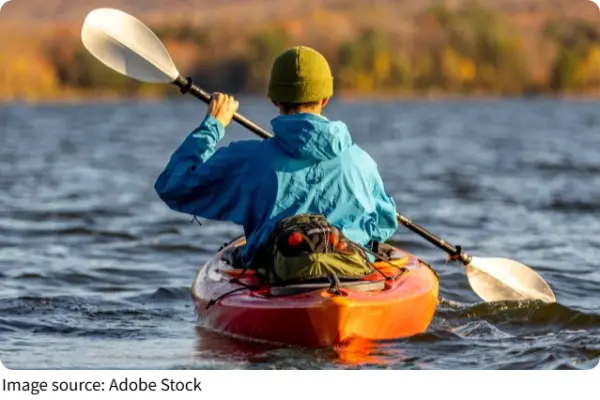
A properly fitted life jacket should be one of the first things prepared before getting into a canoe. It should fit securely without restricting normal movement and should be worn throughout the trip.
Choose a life jacket designed for paddling and make sure it is suitable for the person's size and weight. Check straps and fasteners before launching to ensure everything is working correctly. Even experienced paddlers can unexpectedly end up in the water. Wearing the right flotation equipment provides an important layer of protection if the canoe tips or someone falls overboard.
Check the Weather and Water
Weather conditions can have a significant effect on canoeing. Before leaving, check the forecast and consider wind, rain, temperature, and the expected conditions on the water.
Wind deserves particular attention because it can make paddling more difficult and can push a canoe away from its intended route. Strong winds can also create waves that make the boat less stable. Think about the water itself as well. Rivers may have currents, while lakes and larger bodies of water can become rough when conditions change. Beginners should choose calm areas where they can practice basic paddling and steering without unnecessary challenges.
Choose the Right Canoe and Equipment
A canoe should be appropriate for the number of people, the type of water, and the planned activity. Avoid loading the boat beyond its recommended capacity, as excessive weight can affect stability and handling. Keep equipment organized and distribute heavier items carefully. Loose gear can shift while paddling, which may affect balance.
Essential equipment can include paddles, properly fitted flotation devices, a first-aid kit, drinking water, food, navigation equipment, and appropriate clothing. For longer outings, additional emergency supplies may be necessary. Before launching, inspect the canoe for visible damage and make sure paddles and other important equipment are ready to use.
Learn Basic Paddling Skills
Knowing how to paddle efficiently makes a canoe easier to control. Beginners should practice forward strokes, turning, stopping, and changing direction before traveling far from shore. It is also useful to understand how body movement affects the canoe. Sudden movements, standing up, or leaning too far to one side can make the boat less stable.
If paddling with another person, communication is important. Agree on simple commands and work together when changing direction or adjusting speed. Coordinated movements can make the canoe easier to manage. New paddlers should practice in calm, shallow areas where they can become comfortable with the canoe before attempting longer trips.
Stay Seated and Keep Your Balance
One of the simplest canoe safety habits is to remain seated while the canoe is moving. Standing or moving around unnecessarily can make the boat unstable. Keep your weight centered and avoid leaning heavily over the side. When reaching for equipment, move carefully and keep your body low.
If the canoe begins to tip, avoid making sudden movements. Stay calm, keep hold of the boat when possible, and follow the appropriate procedure for getting back to a stable position. Learning basic capsize recovery skills before a trip is especially useful. Practicing with an experienced instructor can help paddlers understand what to do if the canoe overturns.
Plan Your Route
Avoid heading onto unfamiliar water without knowing where you are going. Study the route beforehand and identify potential landing areas, difficult sections, and places where you can take a break. Tell someone who is not joining the trip about your planned route and expected return time, particularly when heading out for a longer journey.
Carry a reliable way to navigate and avoid relying entirely on memory. If conditions become worse than expected, be prepared to change the route or return early.
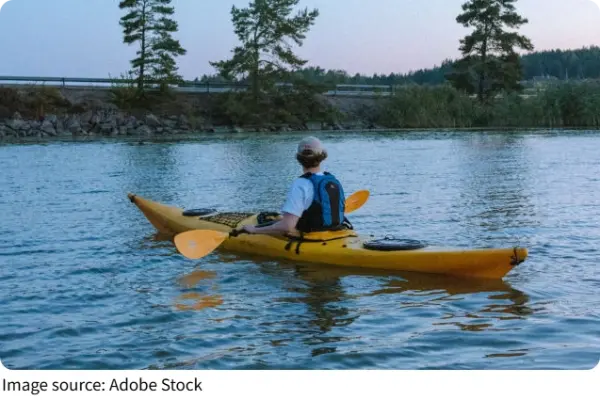
Safe canoeing starts before the paddle touches the water. A well-prepared paddler can spend less time worrying about unexpected situations and more time enjoying the experience on the water.