Sports Car Paint Care

Isla
| 24-09-2026
 · Automobile team
A sports car’s paintwork plays a major role in its overall appearance. Sculpted body panels, sharp contours, and reflective surfaces can make the quality of the finish especially noticeable.
Maintaining that finish requires more than occasional washing. A well-planned routine combines safe cleaning, surface preparation, controlled polishing, and appropriate protection.
Each stage has a specific purpose, allowing the exterior to remain clean, smooth, and visually refined.
Start With a Safe Wash
Proper washing is the foundation of paint maintenance. Use a dedicated automotive wash solution, clean microfiber materials, and plenty of rinse water.
Begin with the upper panels before moving toward the lower sections. Areas closer to the road generally collect more surface residue, so cleaning them later helps limit the transfer of particles across the vehicle.
Rinse the wash material frequently and work with light, controlled movements. Avoid unnecessary pressure, particularly when visible particles remain on the surface.
After washing, rinse thoroughly and dry the vehicle with a clean microfiber towel or suitable air-drying equipment. Prompt drying helps reduce visible water marks and maintains a uniform appearance.
Decontaminate When Required
Washing does not always remove every bonded contaminant. If the cleaned paint feels rough when carefully inspected, additional decontamination may be appropriate.
A properly lubricated clay treatment can remove suitable bonded particles from the surface. Chemical decontamination may also be appropriate for specific deposits when used according to the product instructions.
Decontamination should be performed only when necessary. The goal is to create a clean, smooth surface without introducing unnecessary contact.
Polish With Precision
Polishing is used to refine the paint surface and improve clarity. It should not be treated as a routine step after every wash.
Light refinement can be performed by hand, while a dual-action machine can provide more consistent coverage across larger panels. The choice of method should depend on the condition of the paint and the level of refinement required.
Use the least aggressive approach capable of achieving the desired result. Controlled technique, appropriate equipment, and careful inspection are essential for preserving the existing paint system.

Select the Right Protection
Paint protection should match the vehicle’s use, storage conditions, and maintenance routine.
Wax can enhance gloss and provide a temporary protective layer. Its longevity varies according to the formulation and environmental conditions.
Paint sealants are designed for longer-lasting protection and can provide a durable finish with relatively straightforward application.
Ceramic coatings form a durable protective layer over properly prepared paint. They can improve water behavior and make routine cleaning more manageable.
Paint protection film provides a physical layer over selected painted surfaces. High-exposure areas such as the front bumper, hood, front fenders, and exterior mirrors can be suitable candidates.
Maintain the Finish Between Details
Long-term results depend on regular maintenance. Wash the vehicle according to its driving conditions and address surface deposits promptly.
When possible, covered storage can reduce prolonged exposure to sunlight and environmental elements. Clean microfiber materials should be used for different stages of the process to minimize the transfer of particles.
For light maintenance between washes, use an appropriate detailing product with sufficient lubrication. Avoid wiping across heavily contaminated paint without first cleaning the surface.
Focus on High-Exposure Panels
Not every painted area experiences the same conditions. The front bumper, hood, front fenders, mirrors, and lower body sections generally receive greater exposure to road particles.
Inspect these areas regularly and give them appropriate attention during washing and maintenance. Vehicles used for track driving may require additional temporary protection because of the increased exposure associated with that environment.
Follow a Consistent Maintenance Cycle
An effective paint-care routine can be organized into several stages:
- Wash regularly according to driving and storage conditions.
- Decontaminate periodically when bonded particles affect surface smoothness.
- Polish only when necessary to refine the finish.
- Apply suitable protection after proper surface preparation.
- Clean deposits promptly rather than allowing them to remain on the paint.
- Inspect high-exposure areas regularly for changes in surface condition.
The frequency of each stage should reflect how the vehicle is driven, where it is stored, and the conditions it encounters.
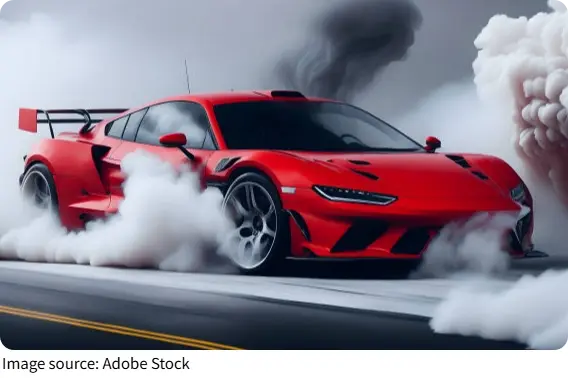
A refined sports car finish is best maintained through a disciplined, measured approach. Washing removes loose contamination, decontamination addresses bonded particles, polishing refines the surface when required, and protection helps maintain the finished appearance.
The most effective routine is not necessarily the most complicated one. By using the appropriate technique at the appropriate stage and maintaining the exterior consistently, owners can preserve a clean, smooth, and glossy finish while keeping the vehicle looking its best over time.