Beneath Cappadocia
Malcolm
| 24-09-2026
 · Travel team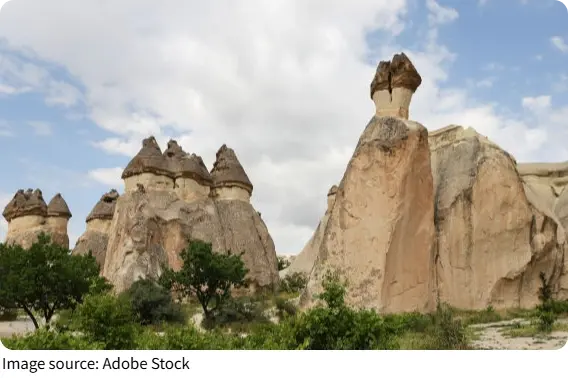
Greetings, curious explorers. Cappadocia's carved dwellings and underground chambers reveal how soft volcanic rock was shaped into practical spaces across many centuries. The region contains more than one underground site, and each requires attention to narrow passages, steps, and ventilation.
A useful plan chooses one major complex, adds an above-ground valley when energy remains, and keeps transport simple. This approach offers time to study construction details instead of rushing through several similar entrances.
Choose One Underground City
Derinkuyu descends through a deep network of chambers arranged around ventilation shafts, with part of the system open to visitors. Kaymakli has multiple levels of passages and rooms, with four levels commonly accessible. Both show storage areas, living spaces, wells, and carefully organized circulation below ground. Choose between them based on your route and comfort with enclosed spaces rather than trying to visit both in a single morning.
Inside, move at the pace of the person least comfortable with low ceilings and confined corridors. Keep both hands free for railings, wear shoes with grip, and step aside in wider chambers. Visitors with claustrophobia, balance concerns, or breathing difficulties should review access details before buying a ticket. A guide can clarify room functions, but verify the group size because explanations are difficult to hear in crowded passages.
Understand Rock and Design
Cappadocia's landscape developed from volcanic material that weathered into cones, ridges, and softer rock faces. Builders enlarged natural openings and carved connected rooms because the material could be worked while still forming stable walls when planned carefully. Underground spaces use shafts and passages to move air between levels. Look for differences in ceiling height, wall finish, storage recesses, and circulation rather than treating every chamber as interchangeable.
The carved structures are durable but not invulnerable. Do not touch fragile surfaces, leave marked paths, or enter blocked passages for a photograph. Above ground, weather can make dusty slopes slippery, while underground floors may remain cool and damp. Carry a light layer even on a warm day, and protect the site by following staff directions instead of leaning on carved edges.
Plan Tickets and Transfers
The three-day Museum Pass Cappadocia costs 65 euros, approximately US$74, and covers more than ten participating museums and archaeological sites with one entry to each. It can offer value for a tightly planned multi-site visit, but it is not automatically cheaper for someone entering a single underground city. Check the current inclusion list before purchase because private attractions and special evening access may sit outside the pass. Start its validity when you are ready for concentrated sightseeing.
Shared airport shuttles to Goreme are advertised near US$11 per seat each way, while private transfers begin around US$68 per vehicle. Shared service suits solo travelers and pairs who can wait for other passengers; private transport becomes more reasonable for a larger group or a late arrival. Confirm the airport, hotel pickup area, luggage allowance, and flight-tracking policy before paying. For the underground cities, arrange a local tour, rental car, or verified transfer in advance rather than assuming the airport shuttle continues there.
Select the Right Base
Feel Cappadocia Stone House in Goreme had a sample rate of US$74 per night for two guests, including taxes, fees, and breakfast. It suits value-focused visitors who want a central base, though the room type and stair access should be checked. Cappadocia Caves Hotel had a sample rate of US$95 per night for two guests, also including taxes and fees. Its cave-style rooms and rooftop setting suit travelers seeking local design, but room shape, stairs, and natural light can vary significantly.
Carus Cappadocia provided a higher-end comparison at US$258 per night for two guests, including taxes and fees. It suits visitors who want more on-site facilities and a central position, while the price may be difficult to justify for a schedule spent mostly on tours. For all three, ask whether the quoted room is carved, stone-built, or conventional; those labels affect temperature, windows, and access. Also compare breakfast, airport pickup, cancellation rules, and stairs before selecting the lowest visible rate.
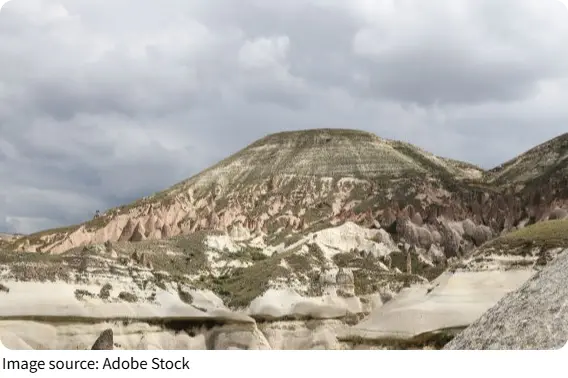
Cappadocia's underground spaces deserve a measured visit, with enough time to notice how air, storage, and movement were organized. Which would shape your choice more: the depth of the site, the ease of access, or the chance to combine it with an above-ground walk?