Stillness at Toblacher See
Naveen Kumar
| 25-09-2026
 · Travel team
Welcome, mountain wanderers. Toblacher See offers a quiet Dolomites pause where an easy nature trail, reflective water, and modest elevation suit a slower day outdoors. The lake sits south of Dobbiaco, close enough for a simple outing yet removed from the busier village centre.
Planning transport and lodging carefully makes the retreat calmer, especially during summer traffic controls. A full day can combine the circuit, long lakeside pauses, and an early return before evening crowds.
Walk the Full Nature Circuit
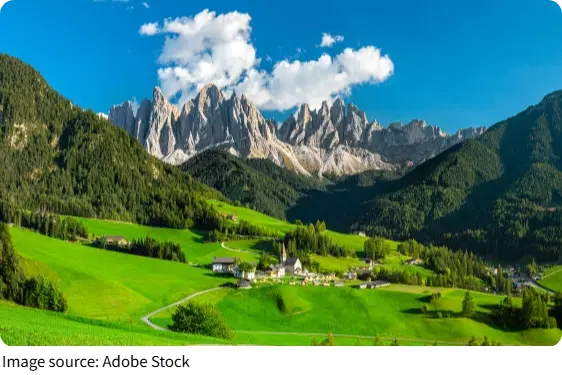
The signed route from the Dobbiaco tourist office to the lake and around its nature trail covers 7.9 kilometres. It takes about two and a half hours of moving time, with roughly 61 metres of ascent and descent. Eleven interpretation stations explain the water, plant life, wildlife, and changing shoreline. The west-bank viewing platform is a natural rest point, so there is little reason to rush the circuit.
Much of the route is easy and suitable for strollers, but gravel, wet leaves, and winter ice can still affect comfort. Begin with a downloaded map or a clear photo of the trail board, then follow the same approach path back toward the tourist office. Keep voices low near observation areas and carry rubbish away. Early morning provides calmer water for reflections, while late afternoon often brings softer light across the surrounding peaks.
Arrive Without Complicating It
Seasonal bus 445 links Dobbiaco station with the lake in roughly ten minutes on scheduled services. Check operating dates because the pattern changes outside summer, and confirm whether your chosen pass covers the departure. Walking from town is possible for visitors who want the full 7.9-kilometre route. Drivers should note that lake access traffic controls can apply around midday, making an early arrival or public transport easier.
A South Tyrol Mobilcard costs about US$25 for one calendar day, US$36.50 for three days, or US$59.30 for seven days after conversion. The longer passes become more useful when the lake is paired with other regional rail and bus outings. Some special seasonal routes have exceptions, so verify coverage before boarding. A single lake day may cost less with ordinary tickets, while a multi-day itinerary gains convenience from the pass.
Make the Lake the Main Event
Allow time beyond the stated walking duration. Benches, the viewing platform, and changing mountain reflections can easily turn a two-and-a-half-hour circuit into a relaxed half day. Bring water and a light meal during quieter periods, since nearby services may keep seasonal hours. Swimming conditions, trail status, and winter surfaces should be checked locally rather than assumed from a clear sky in town.
The route works well as a recovery day between steeper Dolomites hikes. Instead of adding distance, spend time comparing the wetland edge, forest sections, and open lake views. Photographers benefit from a small cloth for mist or drizzle and a stable place away from the walking line. If the weather closes in, shorten the circuit and use the village as a comfortable backup.
Compare Three Sleeping Styles
Camping Toblacher See lists a small tent meadow for two from about US$40 per night in lower-priced 2026 periods, before local charges; availability cannot be reserved. Standard pitches for two begin around US$46, with a car supplement near US$6 and an environmental charge close to US$3 per day. This is the closest nature-based option, but limited capacity and fixed check-in hours require a backup plan.
Hotel Rose showed a sample total of US$181 per night for two guests, including taxes and fees, with breakfast and parking listed. Romantik Hotel Santer, about 1.4 miles from the lake, showed a sample total of US$360 per night for two, also including taxes and fees. The first offers a lower hotel price farther from the water; the second costs more for closer access and additional facilities. Compare meals, transfers, minimum stays, and cancellation terms before booking.

Toblacher See is most restorative when the schedule leaves room for stillness as well as the circuit. Choose transport and accommodation by season, then protect a generous stretch of the day for the shoreline itself.