Island of Aliens

Amara
| 28-09-2026
 · Travel team
Hello, Lykkers! Most travelers come to Socotra for its legendary dragon blood trees and alien landscapes.
But the island's true magic lies deeper—in its hidden wadis, traditional stone houses, and quiet corners where time moves differently.
Let's explore six places that reveal the soul of this remote Yemeni island, starting from the heart of the island itself.
Wadi Azro: The Island's Green Heart
Wadi Azro sits in the center of Socotra, a lush valley that offers a striking contrast to the island's arid plateaus. This area is known for its freshwater pools and dense vegetation, providing a cool retreat after a day of exploring.
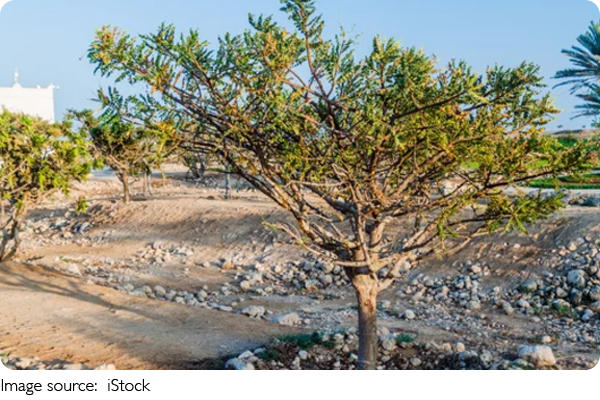
The wadi supports some of the island's most important plant life, including the endemic cucumber tree, with the largest specimens found near the wadi's upper reaches. For travelers, Wadi Azro offers a rare chance to see Socotra's green side—a reminder that this "alien" island also sustains life in abundance. Most organized tours include Wadi Azro as a standard stop, so there is no separate entrance fee beyond your tour package.
Traditional Socotran Houses
Socotra's traditional architecture tells its own story. Many houses are built from rough-hewn stone blocks, often nestled into cave entrances or hillsides to escape the intense summer heat and monsoon winds. The island's isolation has led to strict rules governing the use of endemic plants in construction, ensuring that building practices don't threaten the island's unique flora.
Visiting a traditional home—or simply walking through villages in the Haggier foothills—offers a glimpse into a way of life shaped by the island's harsh beauty and deep respect for its natural resources. Village visits are usually arranged through your guide and may include a small gratuity of about US$5 to US$10 (prices may vary).
Diksam Plateau and Firmihin Forest
The Diksam Plateau is the heartland of Socotra's iconic dragon blood trees. The Firmihin Forest holds the densest population of these umbrella-shaped trees anywhere on Earth, with over 9,000 individuals. A hike here takes you through a surreal landscape where ancient trees stand against limestone cliffs, and local guides run nurseries dedicated to protecting the species.
The plateau also offers some of the island's best stargazing, with the silhouettes of dragon blood trees against a sky free of light pollution. Most tours include this area, though some operators charge a small conservation fee of roughly US$10 to US$15 per visitor (prices may vary).
Diksam
Hoq Cave: A Journey Into the Earth
On the northeast coast, Hoq Cave offers one of Socotra's most impressive underground experiences. A moderate hike of one to two hours takes you to the cave's mouth, where you can walk over a kilometer into the earth among ancient stalactites and stalagmites.
The cave is raw and untouched—no railings, no lighting installations—which makes the experience feel genuinely exploratory. Bring a headlamp or torch; the darkness here is complete. There is no official entrance fee, though a local guide is typically required.
Detwah Lagoon and Qalansiyah
On the northwest coast, Detwah Lagoon is a protected area of shallow turquoise water surrounded by hills and unusual plants. The nearby town of Qalansiyah serves as the departure point for boat trips to Shuab Beach, a remote white-sand shoreline that can only be reached by sea. Traveling by local fishing boat, you may spot dolphins along the rugged coastline.
This is also the place to meet Abdullah the Caveman, a local character who lives in a cave by the lagoon and shows visitors the marine life in the shallows. Boat trips to Shuab Beach generally cost about US$30 to US$50 per person, depending on group size and negotiation (prices may vary).
Detwah Lagoon
Arher Dunes and Omaq Beach
On the eastern and southern coasts, Socotra's landscapes shift again. The Arher dunes rise dramatically from the Arabian Sea, offering views that stretch for miles. Further south, Omaq Beach provides a long stretch of pristine white sand and is another protected area with basic camping facilities.
These coastal spots offer a different rhythm from the island's interior—sunset views, sea breezes, and the chance to swim in clear waters. Camping at Omaq typically costs around US$10 to US$20 per person per night if arranged independently (prices may vary).

Final Thoughts
Socotra is not an easy destination. Flights are limited, visas must be arranged through licensed operators, and the tourist season runs only from October to April. For those willing to plan ahead, the island offers something increasingly rare: a place where traditional life, unique ecosystems, and breathtaking landscapes remain largely untouched.
From the green heart of Wadi Azro to the stone houses of the hills, Socotra rewards curiosity and patience in equal measure.