Choosing Your Car Color

Julian
| 28-09-2026
 · Automobile team
Choosing a car color is an important part of selecting a vehicle. Beyond appearance, the finish can affect how easily surface marks are noticed and how much solar heat the exterior absorbs.
A thoughtful choice should therefore consider both visual preference and everyday use.
What should you consider when choosing a car color?
Start with your preferred appearance, driving environment, maintenance routine, and expected ownership period. View the vehicle under both indoor and natural lighting, as the same color can look different depending on the surroundings.
The vehicle's body design and trim should also be considered, as they can influence how the color appears overall.
Are some car colors easier to maintain?
Yes. Certain colors can make dust, water marks, and minor surface imperfections less noticeable. Medium and neutral shades may offer a convenient balance between appearance and routine cleaning.
Proper washing and paint care remain important for every finish.
Does car color affect how large a vehicle looks?
Color can influence visual perception. Lighter shades may make a vehicle appear more prominent, while darker shades can create a more defined appearance.
Body proportions, lighting, wheels, and trim also contribute to the vehicle's overall visual presence.
Does car color affect interior temperature?
Exterior color can affect solar heat absorption. Under strong sunlight, darker surfaces generally absorb more solar energy than lighter surfaces.
However, cabin temperature is also influenced by the vehicle's glass, insulation, interior materials, ventilation, and climate-control system.
Which colors are practical for everyday driving?
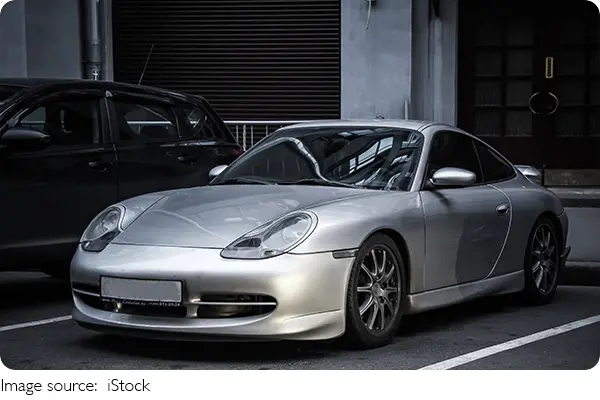
There is no single practical color for every driver. The best option depends on the environment, cleaning routine, and desired appearance.
If minimizing the visibility of everyday dust and light marks is important, medium or neutral shades can be worth considering.
Should resale value influence your color choice?
Color can contribute to a vehicle's market appeal, but it is only one factor. Condition, mileage, maintenance history, equipment, market demand, and buyer preferences can also influence future resale value.
A widely familiar color may appeal to a broader range of potential buyers, although preferences vary between markets.
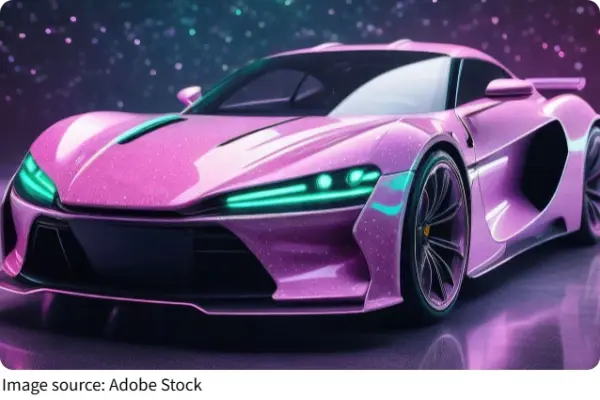
Do metallic and special finishes require different care?
Yes, care requirements can vary between paint finishes. Metallic and special-effect finishes can produce distinctive visual effects, while appropriate cleaning and maintenance help preserve their appearance.
Always follow the vehicle manufacturer's recommended paint-care procedures for the specific finish.
Should you choose a popular color or a distinctive one?
A popular color can provide a familiar and enduring appearance, while a distinctive shade can give the vehicle greater visual individuality.
Your personal preference should remain central, particularly if you expect to own the vehicle for several years.
How can you make the final decision?
Compare your preferred colors in different lighting conditions and view them from several angles. Consider how each option works with the vehicle's body shape, wheels, interior, and trim.
It is also useful to consider your climate, driving environment, cleaning routine, and expected ownership period before making the final selection.
Choosing a car color combines visual preference with practical considerations. Maintenance, solar heat absorption, paint finish, vehicle design, and long-term ownership can all play a role.
By evaluating these factors before purchase, you can select a finish that complements the vehicle and remains suitable for your everyday needs.