The Benefits Of Oats

Antonio
| 28-09-2026
 · Cate team
It sits quietly in pantries around the world, often dismissed as a plain, ordinary breakfast staple.
Yet beneath its humble appearance lies one of the most mechanically complex and biologically active whole foods in the human diet.
The Nutritional Science and Functional Properties of Oats
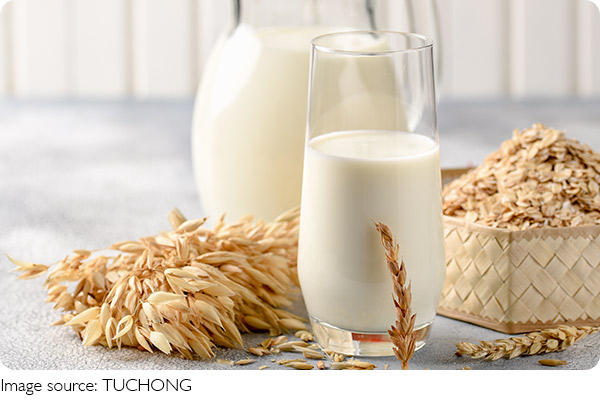
Oats (Avena sativa) are a foundational whole grain offering a highly efficient delivery system for complex carbohydrates, plant-based protein, and essential micronutrients. Unlike many cereal crops stripped of their bran and germ during commercial processing, most oat products retain their complete whole-grain status, preserving their structural and nutritional integrity.
The Mechanics of Beta-Glucan
The primary functional component distinguishing oats from other staple grains is beta-glucan, a specialized form of soluble fiber. When consumed and exposed to liquid in the gastrointestinal tract, beta-glucan expands to form a thick, viscous gel.
This gel matrix creates a physical barrier that slows down the digestive process. Delayed carbohydrate breakdown allows glucose to be released into the bloodstream at a gradual rate, preventing sharp spikes in insulin.
Additionally, this internal gel binds to cholesterol-rich bile acids in the digestive tract and carries them out of the body. To replace lost bile, the liver pulls low-density lipoprotein (LDL) cholesterol directly from the bloodstream, helping to lower total cholesterol levels.
Expert Context: The Value of Viscous Fiber
In her clinical reviews on dietary fiber and metabolic health, Dr. Joanne Slavin, Professor of Food Science and Nutrition at the University of Minnesota, emphasizes that the structural viscosity of oat beta-glucan makes it uniquely effective. Dr. Slavin notes that because this specific soluble fiber maintains its gel-like consistency throughout digestion, it directly blunts postprandial glucose responses and lowers circulating serum cholesterol, delivering benefits that non-viscous fibers cannot replicate.
Understanding Oat Processing Grades
While the baseline macronutrient profile remains largely consistent across unflavored oats, physical milling dictates their glycemic impact. Less processed oat structures require greater metabolic effort to break down:
Whole Oat Groats: The most intact form, consisting of the harvested kernel with only the inedible outer hull removed. They require the longest cooking time and offer the highest density.
Steel-Cut Oats: Whole groats chopped into coarse pieces with sharp blades. Because the protective bran remains intact, they digest slowly and produce a stable glycemic response.
Rolled Oats (Old-Fashioned): Oats that are steamed and pressed flat between heavy rollers. This increases surface area and reduces cooking time while retaining enough structure for sustained energy release.
Instant Oats: Pre-cooked, dried, and rolled exceptionally thin. While convenient, their fragile physical structure allows rapid breakdown during digestion, which can lead to quicker blood sugar spikes.
Integration into a Nutritional Strategy
Due to their neutral flavor profile and structural versatility, oats function as an adaptable, nutrient-dense base. Whether prepared as a traditional porridge, ground into flour, or utilized in savory applications, they provide a reliable, slow-digesting energy source.
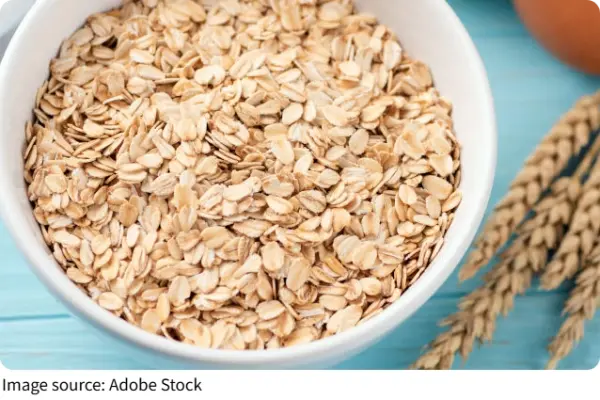
Selecting the appropriate processing grade allows individuals to align their oat consumption with specific glycemic targets and overall health objectives.